
By Thirty One Conservation Organizations and Six Individuals
The Gallatin Forest Partnership, a collaboration of conservation and recreation interests, has proposed “The Greater Yellowstone Conservation and Recreation Act.” It has yet to be introduced in Congress.
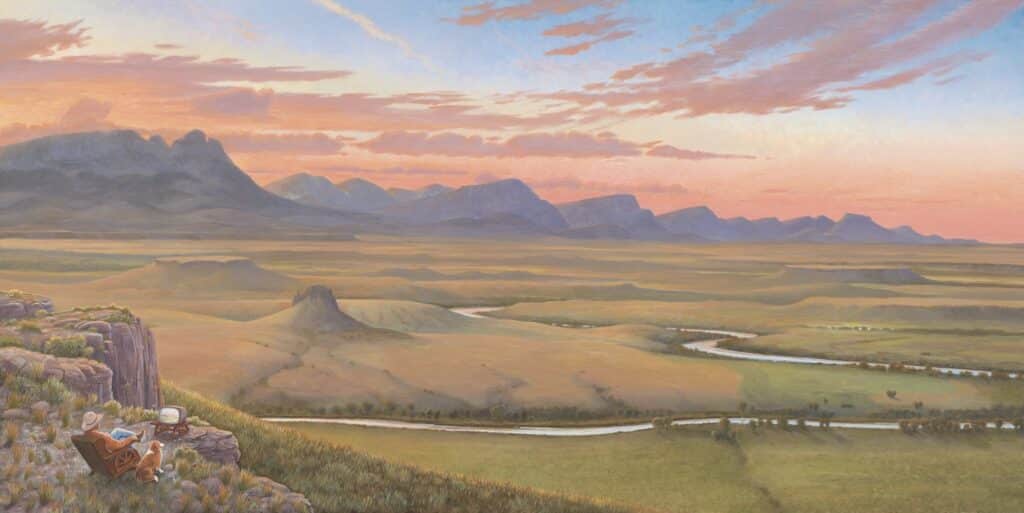
The Gallatin and Madison Ranges on the northwest flank of Yellowstone National Park have the highest amount of unprotected Wilderness quality lands in the Greater Yellowstone Ecosystem. The centerpiece is the Hyalite-Porcupine-Buffalo Horn Wilderness Study Area (WSA) and the wildlife-rich Porcupine and Buffalo Horn drainages.
Over 100 scientists, former Interior Secretary Bruce Babbitt and former Yellowstone Superintendent Mike Finley, wrote: “The Gallatin Range is a recognized wildlife corridor linking Yellowstone National Park to the Northern Continental Divide Ecosystem.”
Through the High Divide, the Gallatin-Madison region connects to the Big Wild of central Idaho.
Bozeman scientist Dr. Frank Lance Craighead wrote, “Fragmenting the WSA into smaller pieces of protected habitat would greatly diminish its value for wildlife habitat and the provision of ecosystem services and could nullify its ability to function as a refuge from climate change.”
Bozeman scientist Dr. Frank Lance Craighead wrote, “Fragmenting the WSA into smaller pieces of protected habitat would greatly diminish its value for wildlife habitat and the provision of ecosystem services and could nullify its ability to function as a refuge from climate change.”
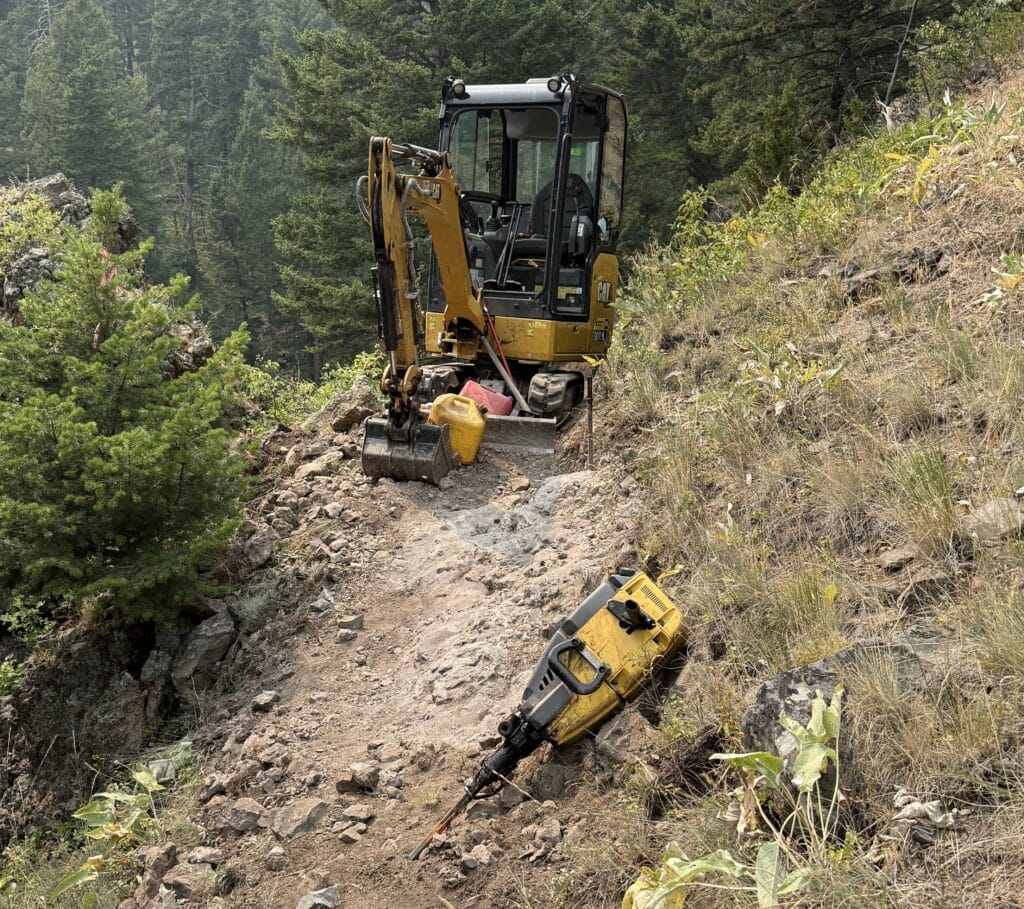
The recreation proposal was developed amongst self-selected members. It would fragment habitat for grizzly bears, wolves, lynx, wolverines and elk, splitting it into several pieces by opening roadless lands on the south end adjacent to Yellowstone to snowmobiles, dirt-bikes, motorcycles and mountain bikes, while doing the same at the northern end near Bozeman. The portion of the WSA proposed for Wilderness would be isolated in the middle. Associated infrastructure would include new loop trails, parking lots and developed trailheads, swelling the pressure over time.
The proposal hides its primary intention of high-speed recreation touting wheels that runs right over old-fashioned recreation of hiking, backpacking, and horse packing. It does this with misleading designations such as “wildlife” and “watershed management” that do not have wilderness protections nor are they based on science which recognizes the displacement of wildlife caused by industrial outdoor recreation.
In addition to dedicating these lands to high-speed recreation, their proposal mimics the Forest Service language that equates remote roadless areas with front country on the doorstep of bustling communities. Thus, it would allow logging and roads in key roadless areas nowhere near homes.
A big misperception is that recreation equals conservation. Science tells us otherwise. A growing body of studies show that super-recreation activities, including mountain biking, are harmful to wildlife. The Big Sky area is already a sprawling four-season recreation complex that has grown from a few dozen people to as many as 25,000 daily in peak seasons. We must curb our appetite for ever-expanding access to wildlife habitat as increasing numbers of super-recreationists threaten the integrity of the Greater Yellowstone Ecosystem.
Passage of the Northern Rockies Ecosystem Protection Act (NREPA), currently before Congress, would be a far better outcome for the Gallatin-Madison region. NREPA offers a fundamentally different approach, prioritizing wildlands and wildlife protection over new roads and motorized recreation. It would protect all the roadless areas and the biological corridors. Short of that, and an action we could advance today would be congressional designations of our seven Wilderness Study Areas managed by the Forest Service. Taking bold steps is necessary if many members of our unique animal kingdom are not to fall into the pit of extinction – on our watch.
We have a choice. Ben Franklin famously drew a snake cut into sections with the caption “unite or die.” If we chop wild landscapes into pieces and divide them amongst special interests, their unique character is lost and their ability to sustain wildlife disappears. Landscape fragmentation is the foe of a healthy Greater Yellowstone.
Wilderness remains the gold standard for protection of quiet spaces, wildlife and fish habitat and biodiversity. The Greater Yellowstone Ecosystem is an international resource and a treasure for all Americans deserving lasting protection and it deserves better than turning a wildlife-rich area into a recreation playground.
The following organizations and individuals signed onto the op-ed above:
Gallatin Wildlife Association Save the Yellowstone Grizzly; Bear Creek Council; Yellowstone to Uintas Connection; Montanans for Wildlife and Wilderness; Montana Conservation Elders; Wyoming Wildlife Advocates; Western Watersheds Project; WildEarth Guardians; Wilderness Watch; Friends of the Clearwater; Conservation Congress; Bold Visions Conservation; Footloose Montana; Friends of the Bitterroot; Kootenai Environmental Alliance; Swan View Coalition; Kettle Range Conservation Group; Flathead-Lolo-Bitterroot Citizen Task Force; Friends of the Wild Swan; Rock Creek Alliance; Save Our Cabinets; Alliance for the Wild Rockies; Inland Empire Task Force; Western Wildlife Conservancy; Rio Grande Valley Broadband, Great Old Broads for Wilderness; Sage Steppe Wild; Roam Free Nation; Zootown Chapter, Great Old Broads for Wilderness; Wyoming Untrapped; Phil Knight; Cecilia Mink; Patricia Simmons; Deborah Hines; Chris Bachman; Caryn Miske. Mike Bader says groups or individuals who would like to add their names to the list can contact him at: [email protected]