
by Todd Wilkinson
This is the time of year when young people are home from college and families gather around food and conversation looking ahead. For students and others, inquisitive questions arise invariably from elders about what they plan to do next summer, or between years of school, or with the proverbially open-ended “what are you going to do with the rest rest of your life?”
So allow me to begin this column by posing another:
Where were you in 1982?
In late spring of that year, nearly 45 years ago, I was a lowly undergraduate not yet 20 finishing up my sophomore year at a liberal arts college in the Upper Midwest. I had fielded similar questions to those above from relatives the previous Thanksgiving, Christmas and start of another new annum.
Soon I was climbing aboard a Greyhound bus in Minneapolis bound for Livingston, Montana. Headed west to take a seasonal job in the geographic heart of Yellowstone National Park, I had seen a job announcement at my college, and then applied to be a restaurant cook at Canyon Village located a short trek from the thundering Grand Canyon of the Yellowstone.
From Livingston, a bus belonging to the company that today is Xanterra drove us south into Paradise Valley, then through Roosevelt Arch at Gardiner, up to Mammoth, across Swan Lake Flats to Norris (because Dunraven Pass was buried in snow) and then dropping down to Canyon.

Rapt with amazement at the scenery, most of us had our faces pressed in silence against the window. Someone had brought along a portable cassette player with a taped version of John Denver’s Greatest Hits and tunes by Marshall Tucker, Pure Prairie League and the Allman Brothers Band, a soundtrack I always associate with the unforgettable drive in.
I was mostly clueless about Yellowstone, about how being there would alter the direction of my life. Like a handful of crossroads, savored exponentially in retrospect, that impetuous decision to mail off an application is one of the reasons why—and how— I became an environmental journalist writing prolifically about the Greater Yellowstone Ecosystem.
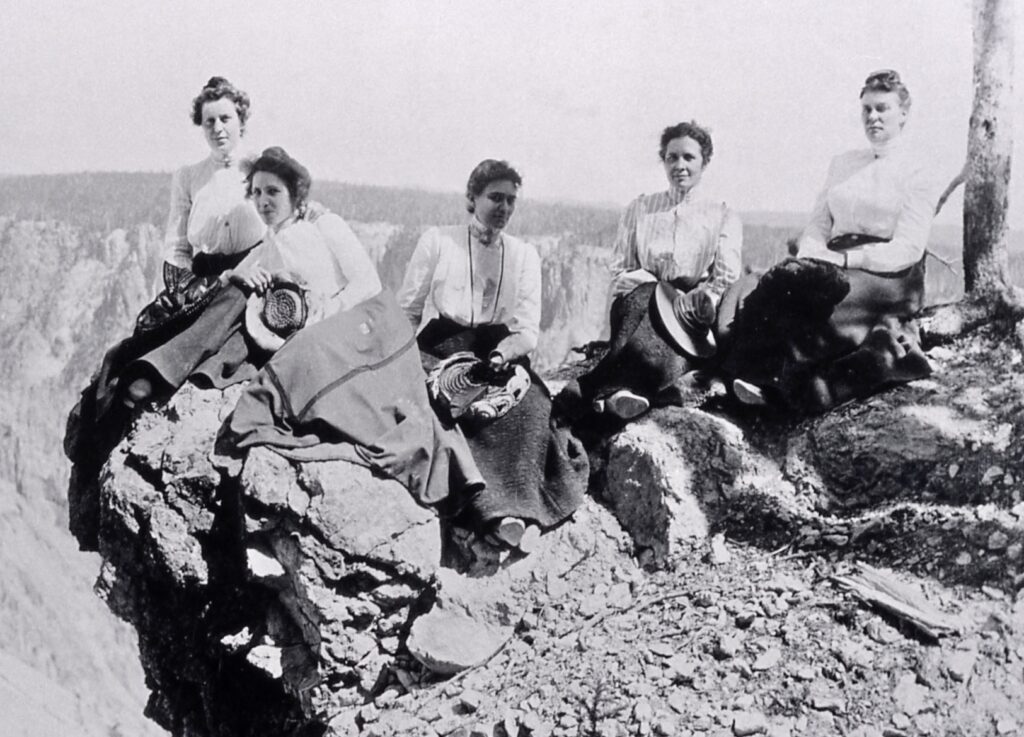
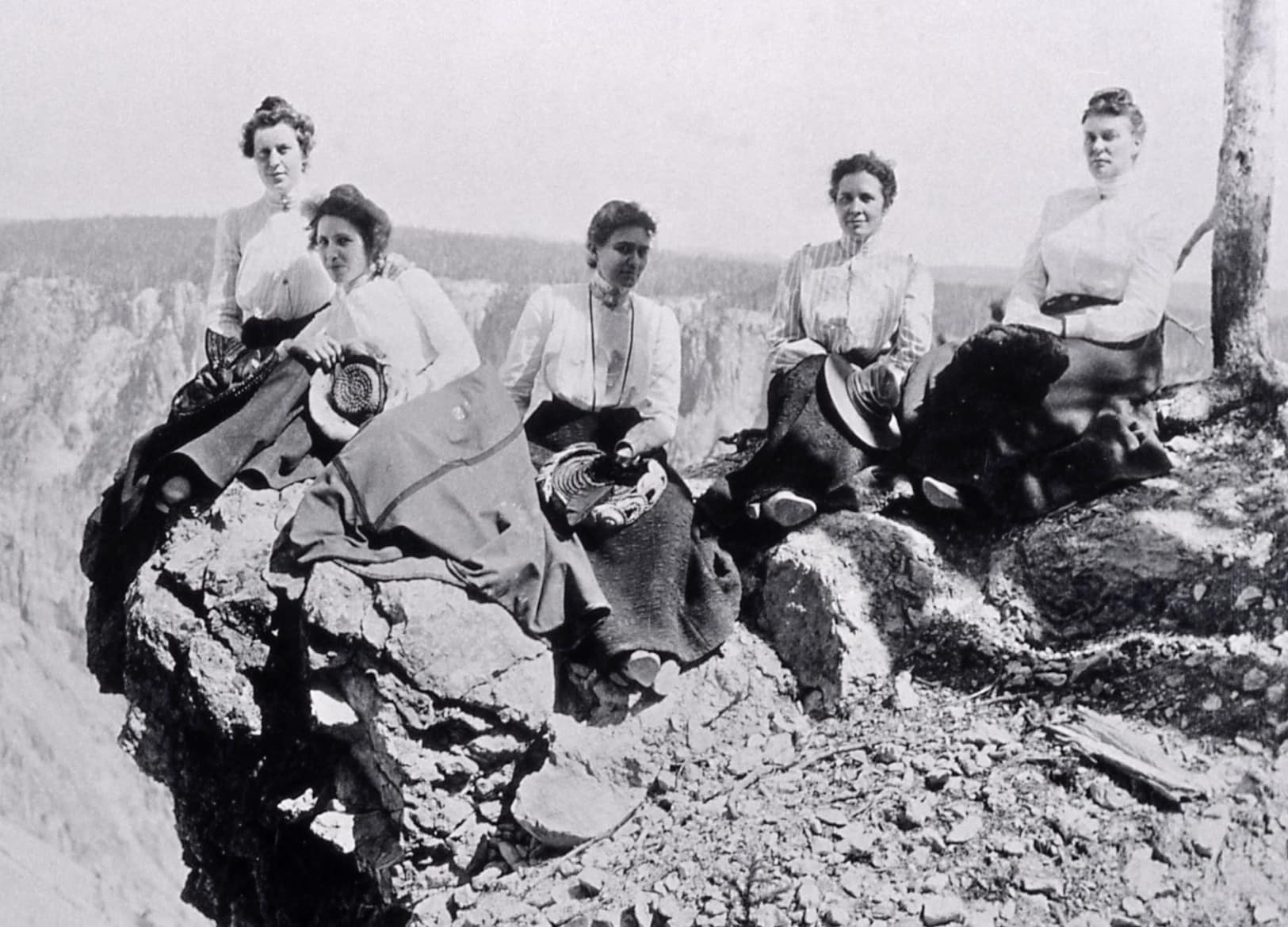
Back then, landing a summer job in a national park was part of a coming-of-age tradition known to generations of American young people dating to thee late 19th century.
A few thousand of us flowed into Yellowstone then dispersed to the main park hubs. We served as cooks, waiters, bell hops, gift shop clerks, housekeepers and gas pump attendants. Our cohorts hailed from every corner of the country, including Navajo and Shoshone Nations, Alaska and kids whose parents were stationed overseas at military bases. As a group, to this day, they are remembered fondly as some of the best people I have ever known. As adults went on to diverse professions. Many, left so smitten by that summer, returned and made the region their permanent home.
Today it’s fashionable and competitive for kids to land cushy summer internships, and while yielding bullet points for the resume, few can compare to the personal life experience gleaned from spending summer months in a national park. Like the old Mastercard commercial, what is its value? Answer: Priceless and it only accrues ever more intangible meaning over time.
Perhaps it’s worth offering a fair warning: Working in a national park isn’t grueling. But it is not a good fit for homebound, pampered slackers accustomed to sleeping in late and communing with nature only through digital screens.
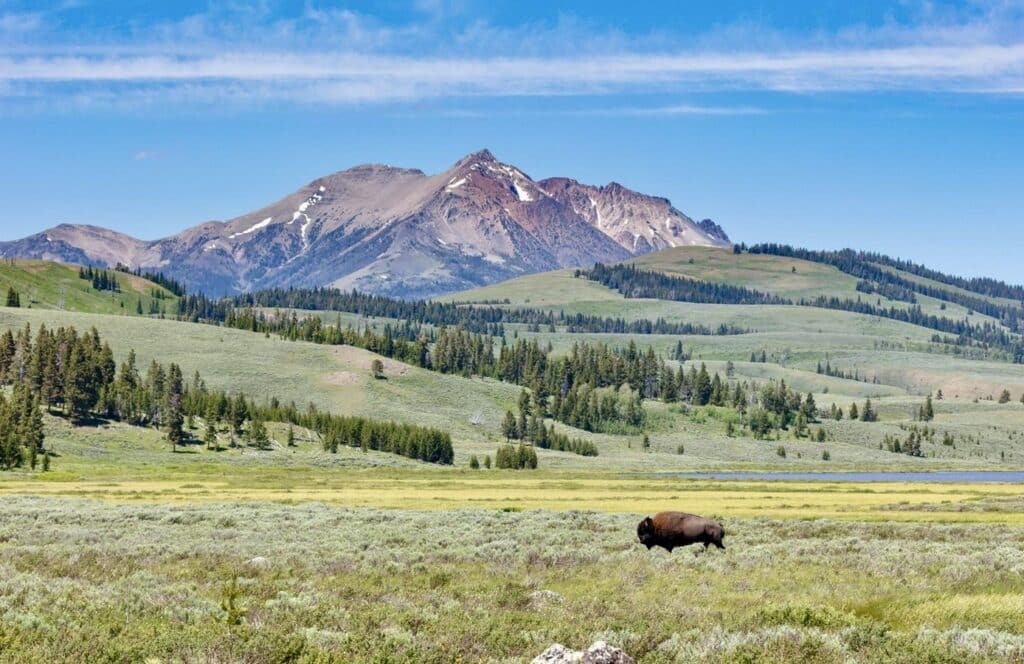
However, if one is even remotely intrigued by the prospect of having your physical senses fully stimulated, then your wishes will be fulfilled. There’s nothing quite like hearing the roar of the Yellowstone River tumble into the chasm of Yellowstone’s own Grand Canyon as you stand beside it; or breathing in the distinctive scents of sagebrush, lodgepole and sulfur synonymous with the park; or safely spying your first grizzly, bison and wolf; or discovering that a prismatic-hued hot spring or fumarole or geyser is connected to something mighty just below the surface called “Supervolcano;” or seeing the stars, more clearly than you ever imagined, burning bright in a dark sky balanced on the silhouetted horizon of a mountain; or shedding one’s unnatural fear of untamed places.
In Grand Teton, Glacier, Grand Canyon, Bryce, Zion, Yosemite, Rocky Mountain and other crown jewel parks, each has its own roster of wonders, with hiking trails never far away. Guest ranch and summer camp jobs in the West hold similar romantic mystique. And while not the same as a park job, young people over the years have also streamed through National Outdoor Leadership School programs (NOLS is based in Lander, Wyoming), state iterations of the Conservation Corps building public lands trails, and environmental education entities like the Teton Science School in Jackson Hole. All will push you out of comfort zones.
Canyon is where I met friend and famed Yellowstone winterkeeper Steve Fuller (now retired and a Yellowstonian columnist) and his then wife, Angela, who hired me.
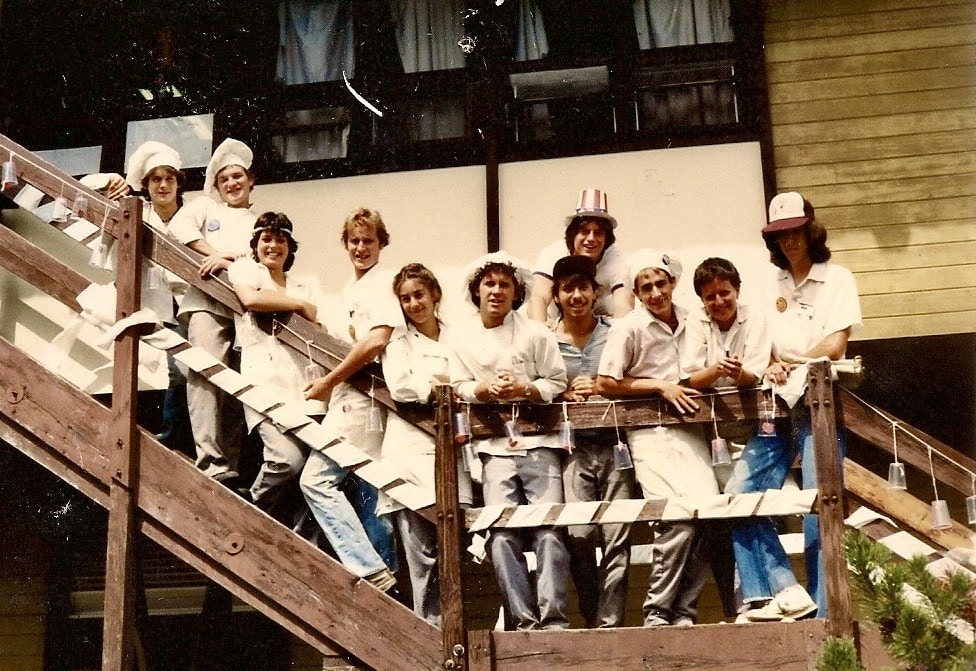
A few years ago, just prior to his retirement as marketing director after working for the main concessionaire, Xanterra, in Yellowstone for three decades, Rick Hoeninghausen and I reflected on the “old days.” He was at Lake Hotel around the same time I arrived at Canyon and he moved his way up the ladder of the company into a permanent career.
Our chat turned to an obvious topic: Why are fewer American kids today working in park hotels, restaurants, and gift shops than in the past? In their place are Russians and Eastern Europeans, young people from Asia, Europe and Latin America. The reasons, he said, were myriad.
Hoeninghausen explained shorter summer breaks between spring and autumn semesters in college have left fewer Americans available for a full summer. While he didn’t mean it as a disparaging dig, he mentioned attitudes among generations have changed.
There’s a fickleness among some young people who don’t want to work for lower wages. Factoring into this, too, have been Democratic and Republican administrations that previously were willing to grant work visas for non-Americans to work in parks, but recent events have sometimes thrown that up in the air.
One intriguing shift is that Boomers and GenXers, now empty nesters with kids grown up and moved away, and who are now in their retirement years, have begun seeking experiences that passed them by in their youth. They are applying for seasonal giftshop jobs and serving as campground hosts to fill jobs during spring and autumn shoulder seasons. They daydreamed of such an opportunity and they can make it happen.
Adding intergenerational flavor, it seems a great phenomenon of having young people on the front end of their life journeys mixing with elders able to reflect and share a perspective on things that really matter.
As a note to parents who only measure experience in dollars and cents, I would offer this: they ought not sweat the fact that their offspring only earn minimum wage. As part of the compensation, workers are given lodging and three square daily meals (plus showers and access to laundry to insure their hygiene!). It’s the other perks that stand out. The regimen still is one of working for five days and then having two off. During the break, many pack in as many miles as they can get in. They enjoy a level of access and gain insight into the backcountry of the most famous park in the world that tourists never encounter during their brief forays.
As Hoeninghausen reminded, those who had summer jobs become alumni of a rare beloved club. They’ll return home hardier, smarter, more self-assured and resilient. They may even regale you around the holiday dinner table next year with stories of charismatic megafauna and whacky tourist tales.
“You don’t have to be an American or young in age to view working in one of our national parks as a dream experience,” Hoeninghausen said. “Because no matter where you come from, or how old you are, you will not leave as the same person who arrived.”
We both hope the tradition of American youth bound for summer jobs in our national parks will undergo a renaissance.
ENDNOTE: Are you interested in exploring the possibility of working in a national park during the summer of 2027? (Perhaps suggesting that young people in your life consider it)? Below are a few hotlinks that might be of help:
Yellowstone National Park, Wyoming
Grand Teton National Park, Wyoming
Glacier National Park, Montana
Grand Canyon National Park, Arizona
Zion National Park, Utah (Start checking in early spring), Utah
Bryce Canyon National Park, Utah
Rocky Mountain National Park, Colorado
Yosemite National Park, California