by William Kleindl
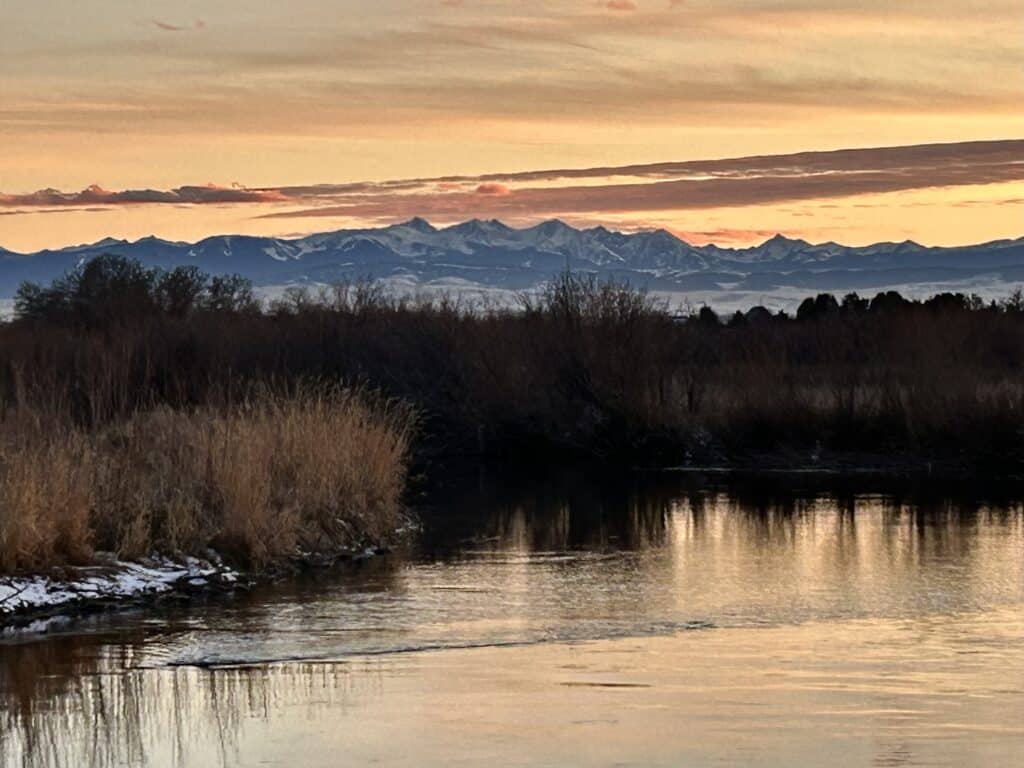
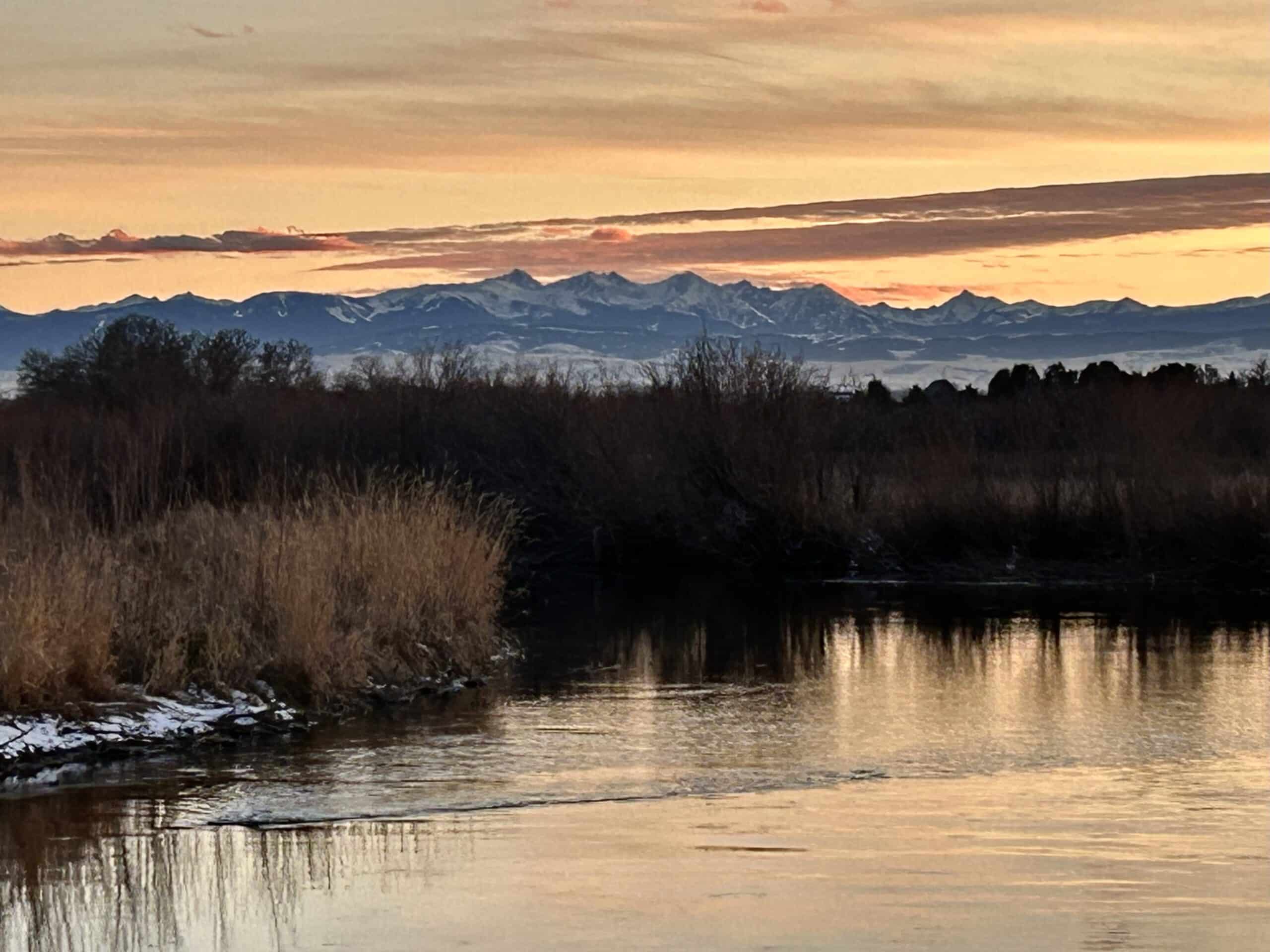
Every spring, the Gallatin Valley fills with moving water. Snowmelt pours off the Bridgers and the Gallatin Range, side channels come alive, and wet meadows and potholes brim. By late summer many of those creeks shrink to a trickle or go dry, and the wetlands draw down. That rhythm is not a flaw in our landscape. It is how our rivers work.
A federal proposal now open for public comment would treat that rhythm as a reason to strip protection. The Environmental Protection Agency and the Army Corps of Engineers are rewriting the definition of Waters of the United States, or “WOTUS,” the phrase that decides which streams and wetlands the Clean Water Act protects. In a supplemental notice published Sept. 9, the agencies proposed that only perennial streams count, meaning water present every day of the year under ordinary conditions. Wetlands would be covered only where perennial surface water joins them so seamlessly to a protected water that you can’t tell where one ends and the other begins.
I have spent my career studying wetlands and streams, and I served as president of the Society of Wetland Scientists. The science here is not close. Seasonal streams and wetlands are not marginal features. They do much of the work that keeps our rivers clean, cold, and full.
Wetlands that wet and dry through the year remove excess nutrients more efficiently than permanently flooded ones. They trap sediment during spring runoff, exactly when they hold water. They soak up snowmelt and floodwater, then release it slowly to keep streams flowing in August. Fishless seasonal ponds are where frogs and salamanders breed. Prairie potholes feed ducks along the flyway. Intermittent headwaters help set the temperature of the trout streams below them. EPA’s own 2015 review of more than 1,200 scientific studies concluded that these waters are connected to, and shape, the rivers downstream.
A perennial test does not trim a few edge cases. It removes the very class of water that produces these benefits while keeping the rivers that depend on them. You cannot protect a river by protecting only the part that never runs dry, any more than you can protect a forest by protecting only the trees along the road. The agencies admit their perennial definition is “not based on a specific, nationally applicable scientific standard.” It is a bright line drawn in the wrong place.
This especially matters in Montana. Many states have their own laws to fill gaps left by federal rules. Montana largely does not. We have no state permit program for draining or filling wetlands; we have relied entirely on the federal program. Our streambed protection law, the “310 permit” administered by conservation districts, applies to perennial streams, the same ones the federal proposal would keep.
State law also bars the Montana Department of Environmental Quality from adopting water quality rules stricter than federal rules unless it clears a high bar of written findings. Recent studies in Montana and the nation estimate that this change in WOTUS status will remove federal protection from more than 95 percent of the waters in our state. When federal protection shrinks, Montana’s shrinks with it. In practice, seasonal streams and wetlands that fall out of federal coverage would be left unprotected.
Recent studies in Montana and the nation estimate that this change in WOTUS status will remove federal protection from more than 95 percent of the waters in our state. When federal protection shrinks, Montana’s shrinks with it. In practice, seasonal streams and wetlands that fall out of federal coverage would be left unprotected.
But what does that mean? The CWA requires permits to release pollution into a WOTUS. For example, a confined animal feeding operation is currently considered a point source of pollution and requires a permit to release animal waste into an intermittent stream. They must meet standards for managing waste and processing wastewater. Those permits keep nutrients and fecal matter in the rivers where we fish and recreate at a scientifically acceptable level. But after this change, they will not need a permit, nor are they required to meet those standards. The CWA also protects these waters from permanent loss to development, requires reporting their condition to state and federal governments, and requires developing measures to fix them if they are polluted. All will be lost if the rule changes for intermittent streams and wetlands
That is at odds with who we say we are. Montana’s Constitution guarantees a clean and healthful environment and declares that the state’s waters belong to the state “for the use of its people.” Under that principle, waters of the United States are really waters of the people. The industry groups backing this rule are eager to keep the gains from building over these waters while leaving the rest of us to pay for lost flood protection, dirtier water, and poorer fishing.
Two things need to happen.
First, Governor Gianforte and the Legislature should give Montana the tools to protect its own waters: a state program that covers the wetlands and seasonal streams federal law is abandoning, and a fix to the “no more stringent” restriction so Montana can protect Montana waters based on the evidence. Our ranches, farms, towns and outdoor economy all depend on these waters. They deserve a state backstop.
Second, reach out to your state legislators and to Troy Downing, Ryan Zinke, Steve Daines, and Tim Sheehy. Describe the creek that runs behind your house each spring, the slough where you hunt ducks, the stream you fish. Tell them you are concerned about how these waters will be protected. Let them know how Montanans expect them to nact.
The water that comes off our mountains every spring belongs to all of us. Let’s make sure someone is still looking after it.