by Todd Wilkinson with Chris Servheen
Ponder for a moment what it might mean to live much of your life unwittingly being drawn to perilous mine fields which appeal to your strongest sensual tool for survival.
Upwards of 10 million of us pour into Greater Yellowstone as visitors every year. More than 700,000 of us live permanently in the region. A few hundred thousand more dwell here seasonally.
That’s a lot of us and we all need to eat.
Every species does.
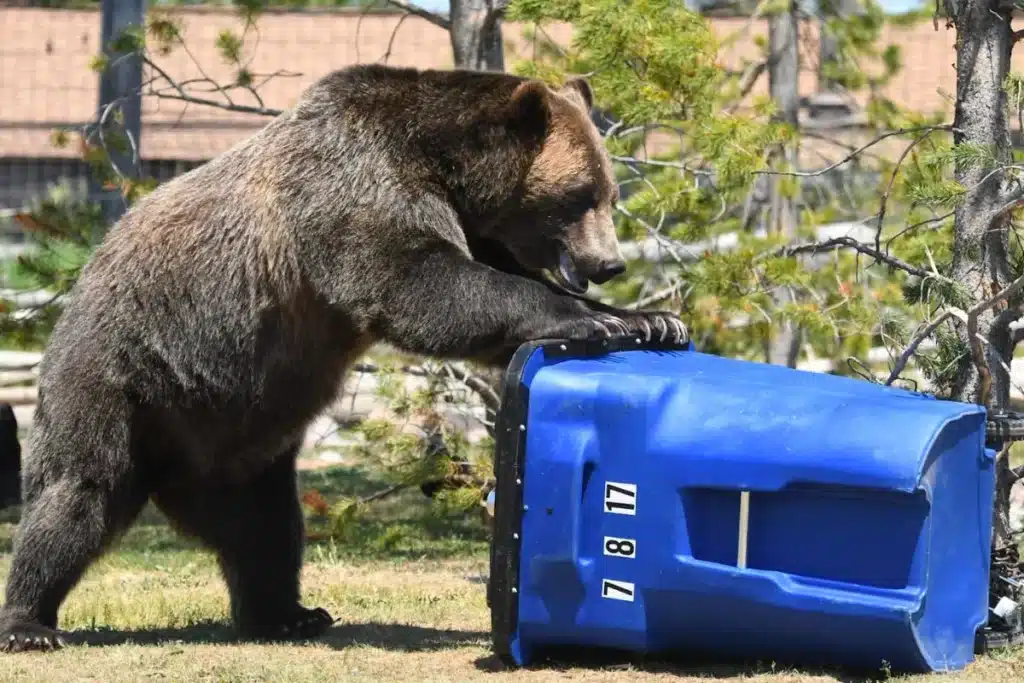
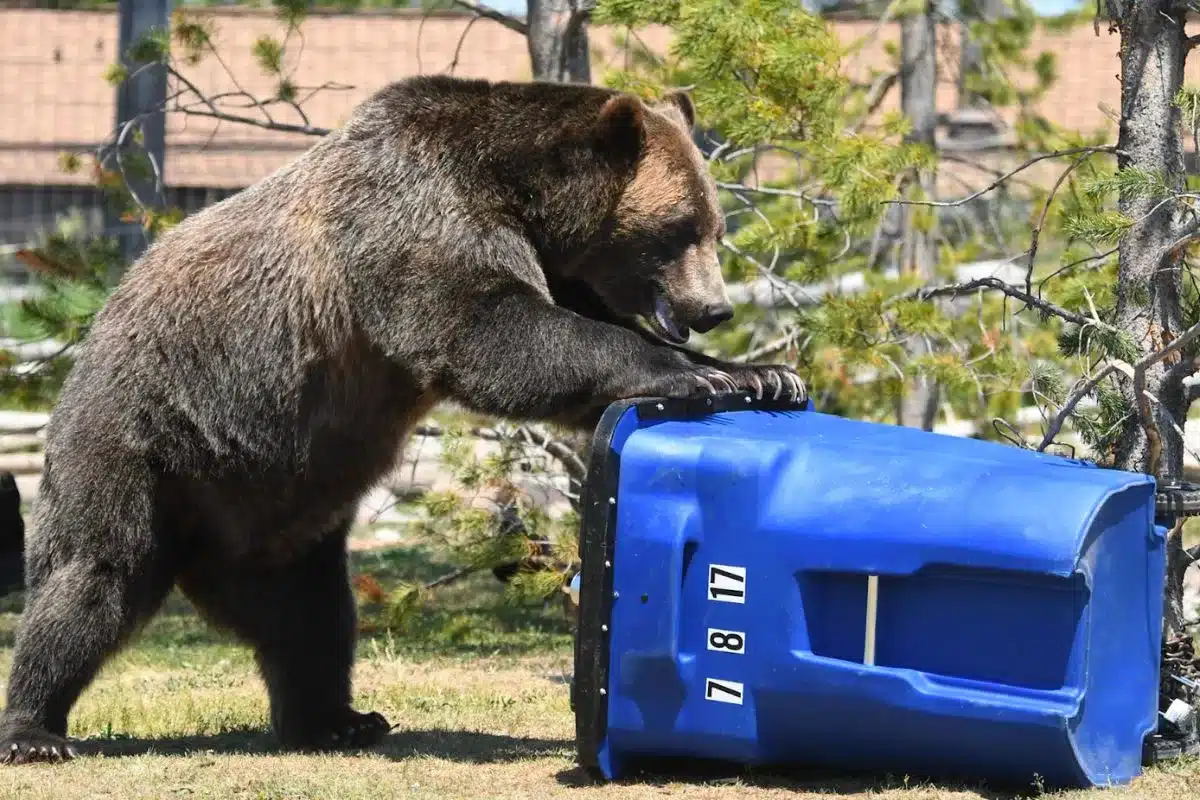
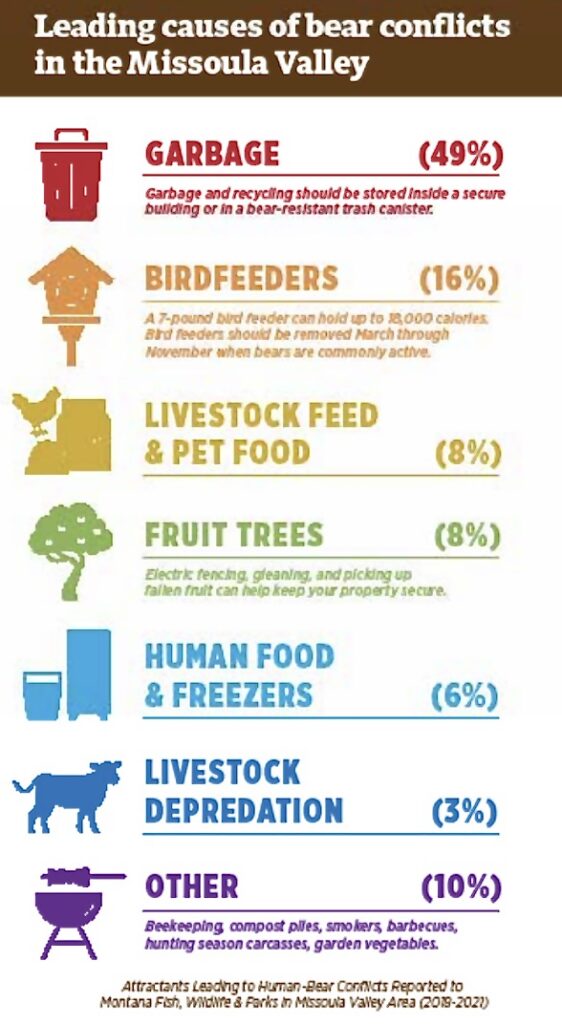
We like to dine in and take out, and we like our food fast and slow, hot and cold, delectably tempting and full of flavor, on the grill or carried mobile with us in coolers and backpacks. Once sated, we are constantly disposing of our leftovers and trash in ways that can be fastidious or sloppy. On top of this we plant fruit trees and berry patches and vegetable gardens in the back yard. Along with installing egg-laying hens, we hang bird feeders, filling them with tasty seeds, suet and sugar water for our avian friends. We fill up dog dishes with meals and treats on the backyard porch in our urban, suburban and exurban Sangri-las fronting wildlands and we put oats in the troughs of our tiny ranchettes replete with horses.
Millions of times daily we interact with food, eat it, raise it, buy it and dispose of it just in this ecosystem alone during the busy season.
Estimates are that around 1,100 grizzlies inhabit Greater Yellowstone and there’s a black bear population several times larger, both comprising animals that possess olfactory superpowers that function like a sniff-at-the- wind radar system far keener than our own.
“We bear managers have accepted that we will never use the words ‘problem bear’ again. We have a regular bear management conference every few years with hundreds of bear managers present. The term ‘problem bear’ is not acceptable and the conference hosts and session chairs carry a loud air horn and blast anyone who uses the term. The correct term is ‘human-bear conflict’ in that order because such problems are caused by people not bears.”
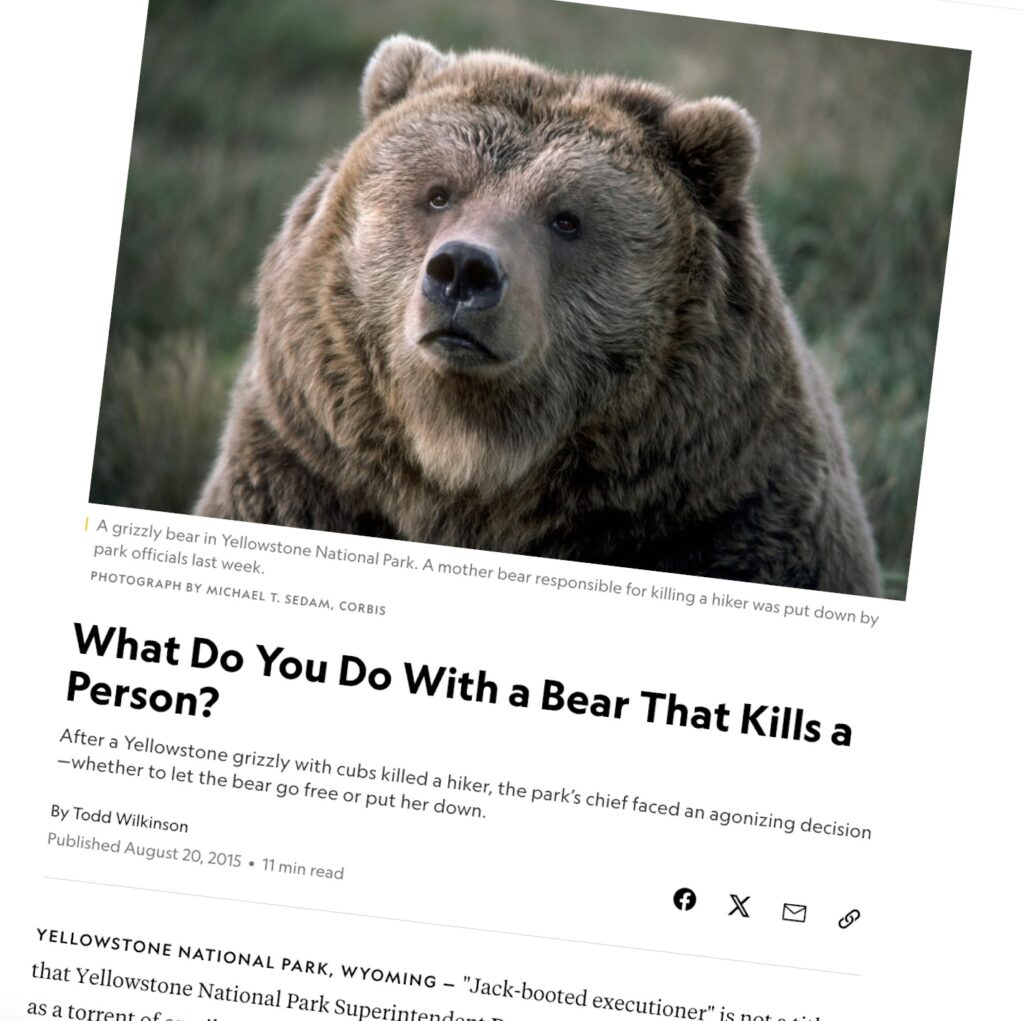
A few years ago, following an incident in which a park employee was fatally mauled and partially consumed by a grizzly bear mother with cubs in Yellowstone, I had a conversation with the late and eminent bear biologist David Mattson for a story I wrote for National Geographic.
Mattson, in this instance, reluctantly supported the decision by Yellowstone Superintendent Dan Wenk to have the mother bear captured and euthanized, and her cubs relocated to a facility where they would live the rest of their lives in captivity. Why?
It is exceedingly rare, but there can be no tolerance for having grizzlies who associate human flesh with food on the landscape.
Although Mattson was a scientist who championed giving bears the secure habitat and space they need to survive in a world becoming increasingly bustling with human activity, he said something I will never forget. Because bears are so intelligent, because of their memory mapping cued to what they encounter in their environment, and because of their extraordinary sense of smell for finding food and correspondingly acute sense of taste, they remember what they ate and where they found it.
“All I know,” Mattson told me for the article, “is that once a bear discovers a source of food, it never forgets.”
In the wild among natural foods, this enables them to better persist, he said. But within the places we overwhelmingly influence and shape, with habits of how we eat and dispose of food that hard to break, it, in turn, affects how bears eat and their resourcefulness can be perilous.
A grizzly or black bear doesn’t inherently “know the difference” between “natural foods” and readily accessible yet unacceptable human kinds. Throughout their active year and especially now, during this period of hyperphagia when they are consuming as many calories as possible in advancing of denning, they’ll forage opportunistically on what they can get.
As Mattson reminded me, in an individual bear’s life, or a mother with cubs, or bruins in a population, it only takes one contact with human-related food to result in the death of a bear or its removal.
Food kills. How we handle it can doom a mother bear with cubs, create generations of addicts and/or result in aggressive animals that might hurt a person. In fact, it was a miracle that in the ways Jackson Hole Grizzly 399 and her cubs were swarmed amid reported incidences of people tossing food their way, that she and her clan did not succumb to those temptations, necessitating her removal. It’s the same with countless other bears in Yellowstone, Grand Teton, Glacier and beyond.
With this being “a poor year for natural foods”—the kind we as a society want Ursus arctos and U. americanus expect them to depend on—grizzlies and black bears are wandering farther to find sustenance right into the ever-expanding gauntlet of humanity. This week’s edition of Conversations from the Green Thicket involves a chat with America’s former longtime—and now retired—national grizzly bear recovery coordinator Chris Servheen about that dilemma.
How does grizzlies having to negotiate landscapes becoming more populated every day with humans and ever more of our food enticements affect the thinking about grizzly bear recovery in the Northern Rockies, and our ability nationwide to co-exist with black bears? Is it realistic to expect fewer human-bear conflicts on our current trajectory, who is to blame and what can be done?
Read the conversation and share your thoughts.

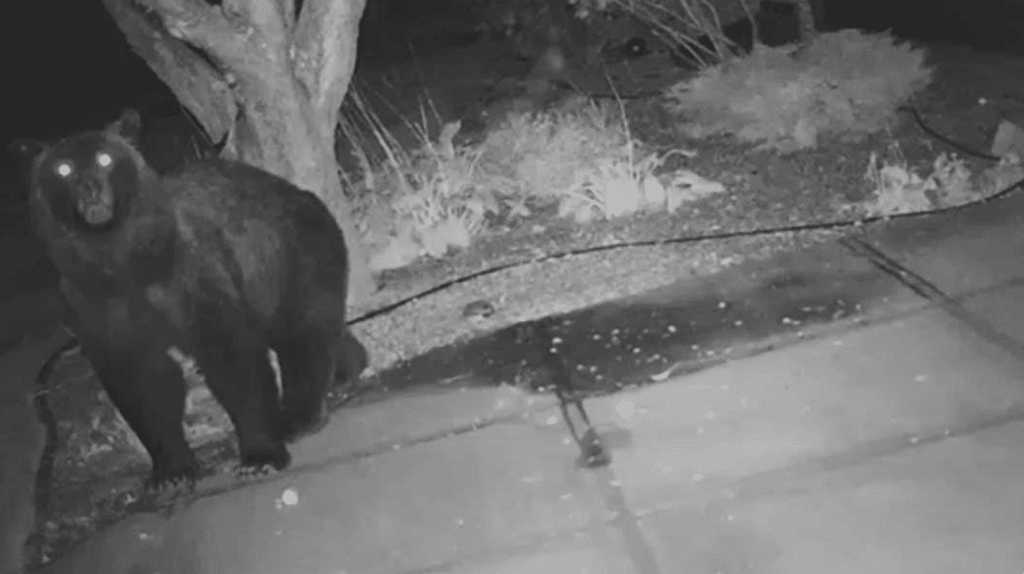
Todd Wilkinson: Black bears are showing up in towns, remote communities and cities throughout the Rockies. They’re getting into garbage cans, foraging around apple trees, pulling down bird feeders and helping themselves to foods left out in pet dishes. The level seems higher this year. Speculating, what do you think is behind it?
CHRIS SERVHEEN: The basic cause of human-bear conflicts like this are natural food shortages that drive bears to spend more time around people looking for food. The natural food shortages are natural events driven by drought, temperature, snowpack and other factors. Climate change is exacerbating these food shortages as we get hotter and dryer with less snow. When human-related foods are unsecured from bears, these bears close to people get a food reward associated with humans and they continue to spend time around human habitations.
Wilkinson: All of us know the slogan—a fed bear is a dead bear—but it kind of glosses over the magnitude of the threats facing bears. In Greater Yellowstone, we have upwards of nine million annual visitors and a rapidly growing human population with people building homes right next to the border of wild country. It only takes one thoughtless, irresponsible action by a single person to get a bear hooked on human food because they’re incredibly smart, they remember, and they influence other bears. It would seem we need a massive shift in cultural attitudes that prioritizes responsible conduct/behavior in how we engage nature. And it means endless vigilance, endlessly championed. How can that happen—how does it become normalized?
SERVHEEN: Normalization can happen with repeated actions that result in positive responses or no negative response for the person doing the actions. Peer pressure is usually more important than fines and policies. That means we need to reinforce the group think that feeding animals and being casual about attractants and bears is not socially acceptable. I think we have made a lot of progress on some issues like people feeding animals in national parks (which is widely viewed as unacceptable now), but we have a way to go to get people to secure their attractants around their homes.
Wilkinson: Does the situation with black bears also portend similar yet parallel encounters with grizzlies?
SERVHEEN: Yes, grizzly bears and black bears have similar food habitats and respond to changes in natural foods in the same way. Both species will move into communities if human-related attractants are not secured.
Wilkinson: Some may not realize the difference between black bears and grizzly bears in behavior, how they select for food and habitat, their natural tendencies for tolerance around people and how they are perceived by humans. Please explain some of the nuances that factor into your view of each and the implications for approaches to management.
SERVHEEN: Both species are opportunistic omnivores. Black bears tend to have smaller home ranges and know the detailed locations of foods in their smaller home range. When there is a food failure, they expand their range looking for food production. Grizzly bears have larger home ranges and thus more places to find foods within their home ranges. Their larger home ranges have more places to find foods, so they don’t tend to depart from their home range like black bears do in poor food years. This means that black bears will show up in “new” places in poor food years as their home range foods decline in some years. Grizzly bears are less likely to leave these home ranges and do this. This is a generalized description of the complex ways that both bears use and know their home range foods.
Wilkinson: It’s interesting. We often treat the Yellowstone era of bears feeding at dumps, and providing entertainment to visitors as an ancient bygone problem. And yet, while dumps were closed and it’s being addressed on public lands, it’s an epic and expanding challenge occurring on private lands throughout the Rockies and other areas of the West. What’s going on?
SERVHEEN: Garbage availability to bears is an ongoing issue everywhere humans are. While we don’t have big open pit dumps in grizzly country now, we do have individual garbage bins at residences that are everywhere and many of these are not secured from bears. So, garbage is an ongoing issue for bears.
Wilkinson: What salient insights can be drawn from closing the open pit dumps in Yellowstone, listing of grizzlies under the ESA in 1975, and aggressively focusing on “sanitation issues” which sounds unexciting but is filled with drama and has been profoundly consequential?
SERVHEEN: This is a huge question. For decades, bears were eating garbage inside Yellowstone and in the open pit dumps outside the Park like Cooke City and West Yellowstone. When these dumps were closed, we had lots of bears that were used to eating garbage. There were many of these dump bears that also went to campgrounds in the Park. When the dumps were closed, these bears spent more time in the campgrounds and had to be removed. We look at this situation of open dumps inside YNP as crazy today, but back then it was accepted, even though there were some people who thought it was a bad idea. The transition from accepting that it was OK to feed bears garbage, even inside national parks, to the current effort to secure all garbage from bears everywhere was a watershed event in bear conservation efforts and the way people thought about managing bears and national parks.
Wilkinson: So that people who are unfamiliar with the history of the issue in Yellowstone grasp the context, back in the late 1960s and early 1970s, there was widespread recognition that feeding bears and giving them access to trash due to sloppy disposal methods was a serious problem. Please explain the disagreement that arose between the Craighead brothers who were conducting pioneering studies of grizzlies and wildlife managers in the Park Service.
SERVHEEN: The Craighead’s were the leading pioneers in grizzly bear research. They worked from 1959-1967 in Yellowstone Park and radio collared lots of bears in the dumps because that is where most bears were and they were easy to work on there. They thought that the Park Service should phase out the dumps gradually, but the Park Service wanted to close the dumps in a short time. The Craighead’s thought that the grizzlies needed the dumps or supplemental food to survive and they the promoted the dumps as ”eco-centers”. The idea that grizzly bears needed supplemental food in YNP to survive was still alive in the early 1980s when we began the grizzly recovery program. We formally explored if we needed to somehow supplement the natural foods in the ecosystem to recover grizzly bears. We concluded that supplemental foods were not necessary and it was not done, but it was a consideration in the early 1980s.
Wilkinson: You and I have had numerous conversations about how important wildlife issues are seldom discussed or taken seriously by elected officials and city and county planning departments in thinking about human population growth. Mandating bear-proof trash cans are an obvious example. Almost all have no experienced ecologists on staff and yet how we approach the human footprint says a lot about our community values, our thinking about the future and why we call a place home. Why is there such an obvious disconnect?
SERVHEEN: The best answer I have is that cities and counties are too poor to invest in wildlife specialists. This is an issue that calls for citizen involvement. Let’s not wait for cities and counties to get the proper staff. In Missoula, a group of citizens got together and built a proposal to ask the city and the county to mandate bear-resistant garbage bins. We used the “bear smart” model developed in British Columbia. We wrote a risk assessment that identified the problems and where and why they occurred and then we wrote a management plan that identified ways to implement change to address the problem of bears in garbage and other human foods. We did not ask the city to do it. We did it. We asked the city and county governments to adopt it and they were enthusiastic about implementing it.
Wilkinson: Indeed, your hometown, Missoula, has a working group and a thoughtful, detailed plan. In Jackson Hole, concern about Grizzly 399 and various groups of cubs becoming addicted to human foods, and then getting into conflict, was a major public worry and it resulted local citizens, NGOs like Jackson Hole Bear Solutions making over 1,400 bear-proof trash cans available, affordably, to citizens. The town of Jackson and Teton County both have adopted ordinances prohibiting wildlife feeding and requiring bear-proof trash containers. Durango, Colorado has a progressive approach to reduce conflicts with black bears. On federal land, the Greater Yellowstone Coalition has worked with the Forest Service to install 1,200 bear-proof boxes at 160 campsites on five different forests. Are efforts here happening fast enough given the kind of year we’re having?
SERVHEEN: I think so, if there is a community will to support it. We have examples of how it works in various communities. It is a good idea and is a win-win approach.
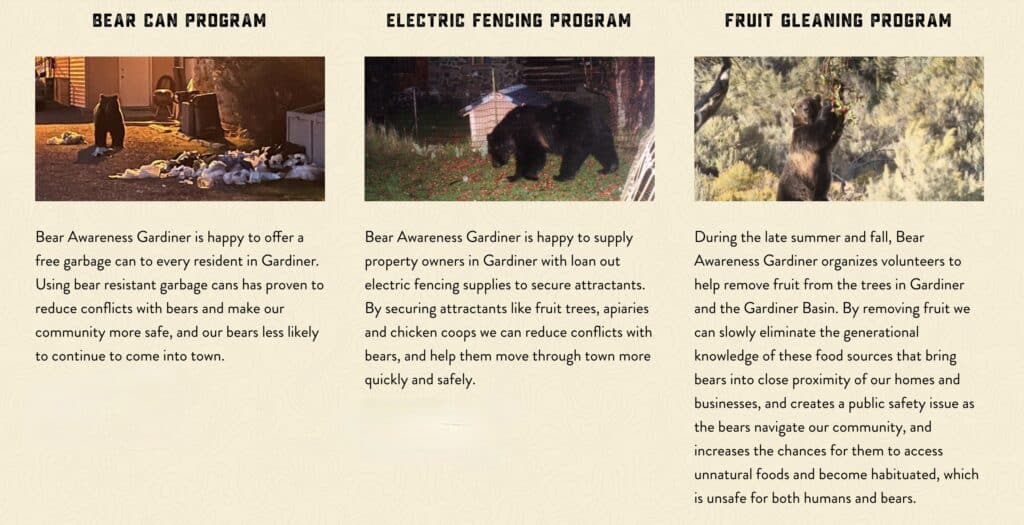
Wilkinson: I would be remiss in not mentioned the efforts of Bear Awareness Gardiner on the front doorstep of Yellowstone where Evan Stout and other leaders are doing valiant work. Filmmaker Kyle Dudgeon is making a short documentary about them. Meanwhile, up north with what many say are role models of how communities teach better co-existence,, a lot of foresighted action has been taken in the Bow River Valley of Alberta, Canada in Canmore and the town of Banff inside Banff National Park that involves a community-wide effort to eliminate non-natural-food enticements to grizzly and black bears.
SERVHEEN: Some communities in the Canadian Rockies have been ahead of the curve and there are a lot of lessons our cities and counties can still learn, for the good of people and wildlife.
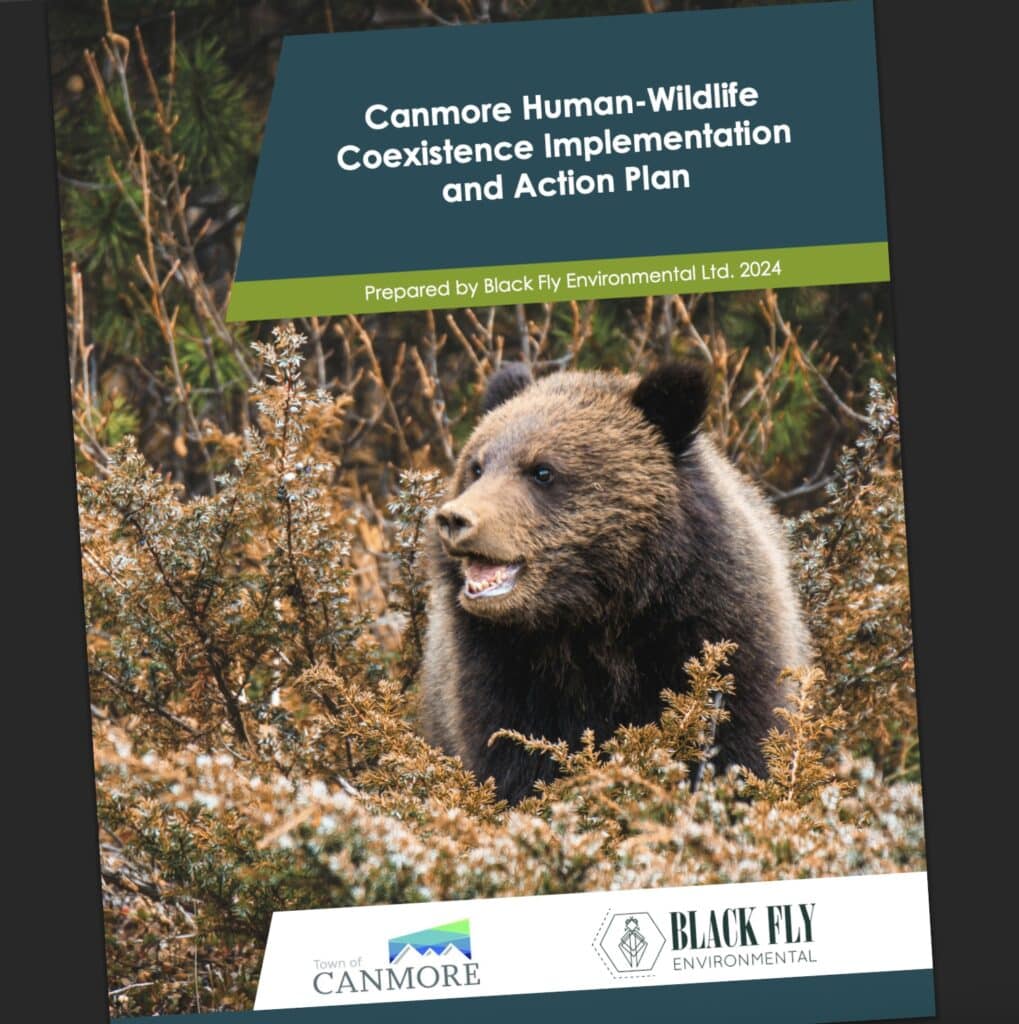
Wilkinson: Let’s highlight a few examples. Human conduct is codified, for example, in local laws for the Town of Canmore relating to garbage disposal and other bear attractants. The town has a fund for free removal of fruit trees. Relatedly, according to the Biosphere Institute of the Bow Valley which publishes regular bear reports, “As per the Community Standards Bylaw in Canmore, 55.1: No Person or Owner shall permit or allow a Wildlife Attractant to be placed or remain in an outdoor location where it attracts Dangerous Wildlife. This means that if a bear is found feeding in your fruit tree, the first offence would be $1,000!”
While Bozeman and Gallatin County, which represent the largest urban area in Greater Yellowstone, are currently developing a more comprehensive strategy, they and other towns/counties around the ecosystem have not approached co-existence with anywhere near the vigor and follow-through as Canmore. There’s this prevailing pushback against government telling people what they need to do even if it’s for the betterment of everyone. How important is fining people not motivated by gentle persuasion?
SERVHEEN: I believe that people who do not cooperate with trash storage should be warned then fined if they do it again. Visitors who ignore the rules and bait in or feed bears are basically killing the bears and such people should be fined severely.
Wilkinson: It’s important to reminder readers that state wildlife management agencies are the entities doing an extraordinary job responding to calls about bears entering human-dominated landscapes. Montana, Wyoming and Idaho have had some great dedicated personnel over the years. And you’ve noted how their work debunks the claim made by politicians and other proponents of grizzly bear delisting that grizzlies are not being “managed.” In fact, state biologists have, for decades, been on the front lines of this issue.
SERVHEEN: With both grizzly bears and black bears. What is not being managed very well is the expansion of development in rural areas and important wildlife habitat, which is one of the main catalyst for this growing problem. It’s a matter of where we live and how we choose to live.
Wilkinson: I mentioned a conversation I had with friends living near Lake Tahoe where there’s a huge ongoing problem with black bears getting into trash, vehicles and homes. They use Karelian bear dogs to chase black bears out of neighborhoods. But food-conditioning has become inter-generational, with mother bears doing an exceedingly effective job teaching their cubs to seek food from humans. It’s happening in other towns, and it mirrors the dump era in Yellowstone. How do wildlife managers halt this?
SERVHEEN: It is very tough to solve when it gets into a bear population like this. There are two tracks: 1) to secure garbage both residential and commercial like hotels and restaurants and enforce it with monitoring and fines; and 2) eliminate those bears that are so food conditioned that they continue to be in residential areas seeking human foods. Bears entering homes should be immediately killed. It is very difficult when the bear population is severely corrupted like this.
Wilkinson: In the big picture, is this an opportunity for humans to grasp how climate change is, and will continue to affect availability of human foods, basically disrupting natural, evolution based foraging habits and put more animals on the move? If yes, then why aren’t we having more anticipatory public discussions about it, and taking action that ensures animals more space and prevents conflicts?
SERVHEEN: Wouldn’t it be nice if science and facts resulted in changes to public policy? We live in a world where politicians ignore inconvenient facts and even make up their own nonsense and call it factual. I would like to see a country that was driven by facts and information so we could get ahead of the curve on climate change. I am not the one to ask how we can get politicians to use facts and science to build public policy.
Wilkinson: Yellowstone is an example of the art of the possible—in fixing a deep wicked problem that was imperiled the survival of wild grizzlies and black bears. It’s an epic achievement, but putting controls in place on public lands is different from cities and towns where permanent human population and all of its trappings continue to expand. As senior Yellowstone bear biologist Kerry Gunther and co-authors noted in a 2024 study published in the journal Ursus about about bear conflicts in the national park, just one percent of Yellowstone has been significantly altered through human construction that enhances likelihood of clashes. Counties outside of public lands are also where elected officials answer to local voters, some of whom have half-banked notions of freedom and liberty letting them do whatever they want.
Sorry, Chris, I’m not a pessimist but there also seems to be this fairy tale attitude among some members of the public that we can co-exist in perfect harmony with bears, having them move through our towns blithely like migratory songbirds. Most people don’t see bears lethally removed but when they they learn about it, they become incensed. Except for those bears that skillfully slip into town and out again because bear proof cans and better human behavior assisted them, many bears face longshot odds of evading the things that will leave them doomed.
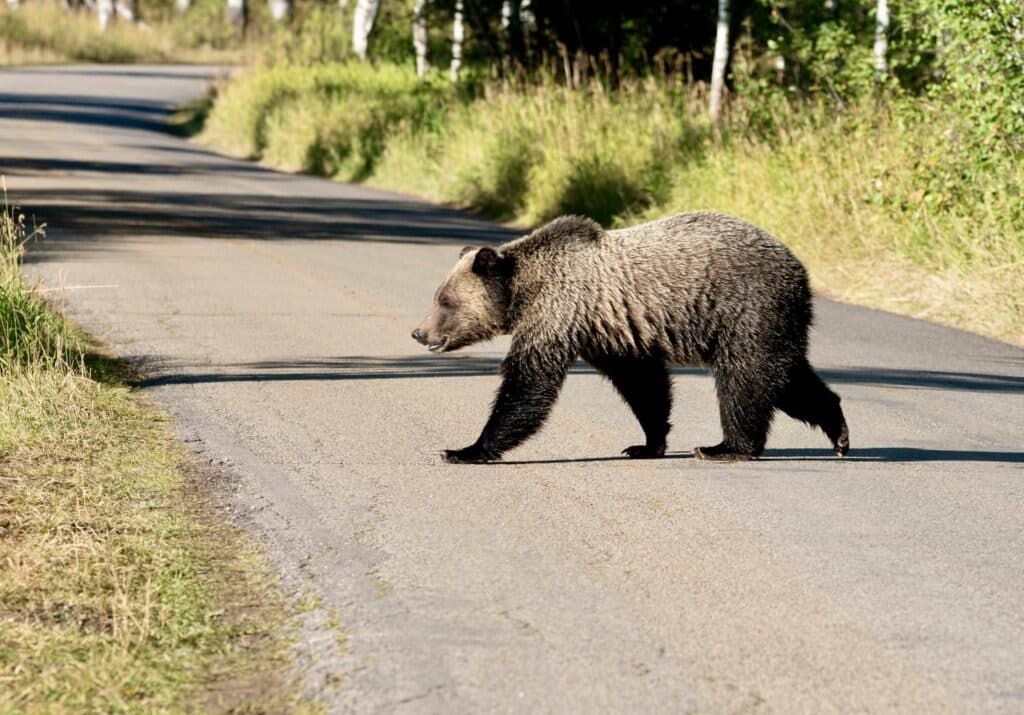
SERVHEEN: It is difficult for a bear to come into expanding towns without coming into conflict. It’s a tall order because there are lots of risks being around people and attractants. While we can try to minimize attractants there is less than 100 percent compliance with following rules and guidelines related to food. And that means them getting into conflict and being removed. We can’t make towns somehow safe for bears. We need to keep the places that are currently safe for bears safe and not have them become more unsafe.
Wilkinson: Lastly, as a journalist, I am a translator to readers of bureaucratic and political speak, scientific language, invented sloganeering and critiquing the veracity of manipulative propaganda. Part of the mission is to decipher what’s true and what isn’t. It seems we have a language problem with how bears are portrayed. We malign them with pejorative terms like “problem bears,” “conflict bears” and the need for “better bear management.” It originates with government officials. It puts a huge onus on bears. But, in fact, it’s really a matter of having “problematic human behavior,” “people-created conflict” and the need for “better human management.” What does the former national grizzly bear recovery coordinator for the US Fish and Wildlife Service have to say about this?
SERVHEEN: We bear managers have accepted that we will never use the words “problem bear” again. We have a regular bear management conference every few years with hundreds of bear managers present. The term “problem bear” is not acceptable and the conference hosts and session chairs carry a loud air horn and blast anyone who uses the term. The correct term is “human-bear conflict” in that order because such problems are caused by people not bears. There are no problem bears or conflict bears. There are humans who corrupt bears and bear behavior by not securing attractants and intentionally feeding bears. Humans are the source of all conflicts between bears and people.
EDITOR’S NOTE: The matter of the proliferating presence of humans and foods causing conflicts with grizzlies is just one serious factor in assessing the future prospects for grizzly bears. Yet it is accompanied by accelerating loss of habitat on private land owed to sprawl, new policies being implemented by the Trump Administration to open up roadless areas—considered vital secure habitat for grizzlies in Greater Yellowstone—to roadbuilding, logging and motorized recreation and, separately allowing motorized recreationists to ride cross country; because of more newcomers and visitors, busier roadways killing bears and affecting their abilities to safely cross roads; rising numbers of outdoor recreationists displacing bears from secure habitat on public lands;and climate change dramatically altering availability of natural foods. Below are a few stories published at Yellowstonian that speak to this convergence of impacts.