
by Reece Kothe
There is something sacred about a Montana night. As the last sunlight slips behind the mountains and darkness settles across the valleys, the world reveals a beauty daylight cannot. Stars emerge in abundance, mountains dissolve into shadow, and beneath the stillness, life follows its ancient rhythms. Yet each holiday season, as we illuminate our homes and neighborhoods, we risk obscuring nature’s extraordinary gift: the darkness itself.
Light has long symbolized hope, warmth, and renewal. During winter’s longest nights, holiday displays offer joy and togetherness. Amid their beauty, though, we might pause to appreciate a quieter truth: darkness has its own gifts, and an essential place in the unfolding of life.
As daylight fades, the forest awakens to the rhythms of the night. Owls hunt, nocturnal creatures emerge, and the forest stirs. Darkness is not the absence of life but part of what sustains it. Life depends on the interplay of light and dark. What seems quiet may be a time of nourishment and renewal for creatures whose hidden lives come alive after sunset.
And we are no exception.
Despite our ingenuity, we remain creatures of Earth, shaped by these same ancient cycles. Our bodies and brains respond to the setting sun and the invitation to rest. Yet screens and artificial illumination can blur the boundaries between day and night, distancing us from rhythms written into our biology.
Darkness also offers something harder to measure: permission to be still. Beneath a darkened sky, away from the demands of our illuminated lives, we need not accomplish anything. We need only belong.
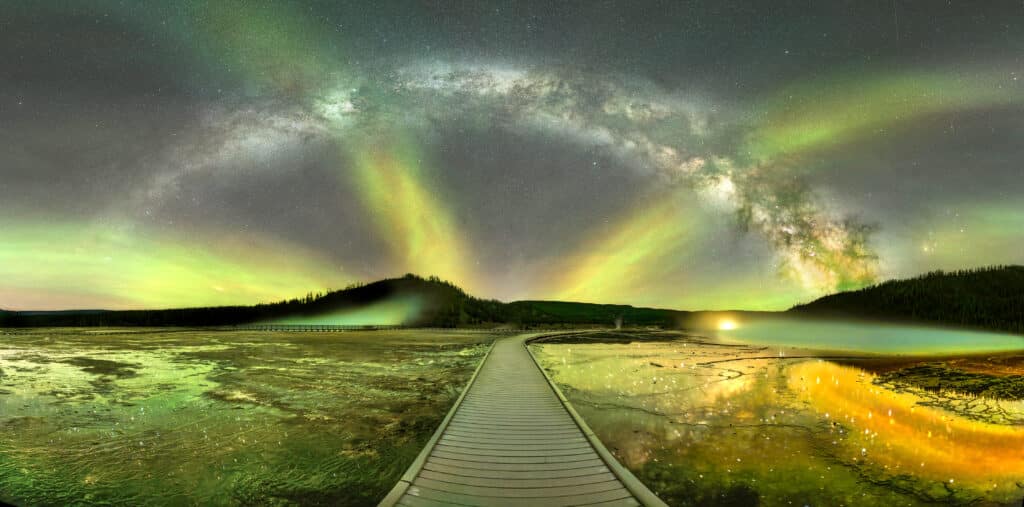
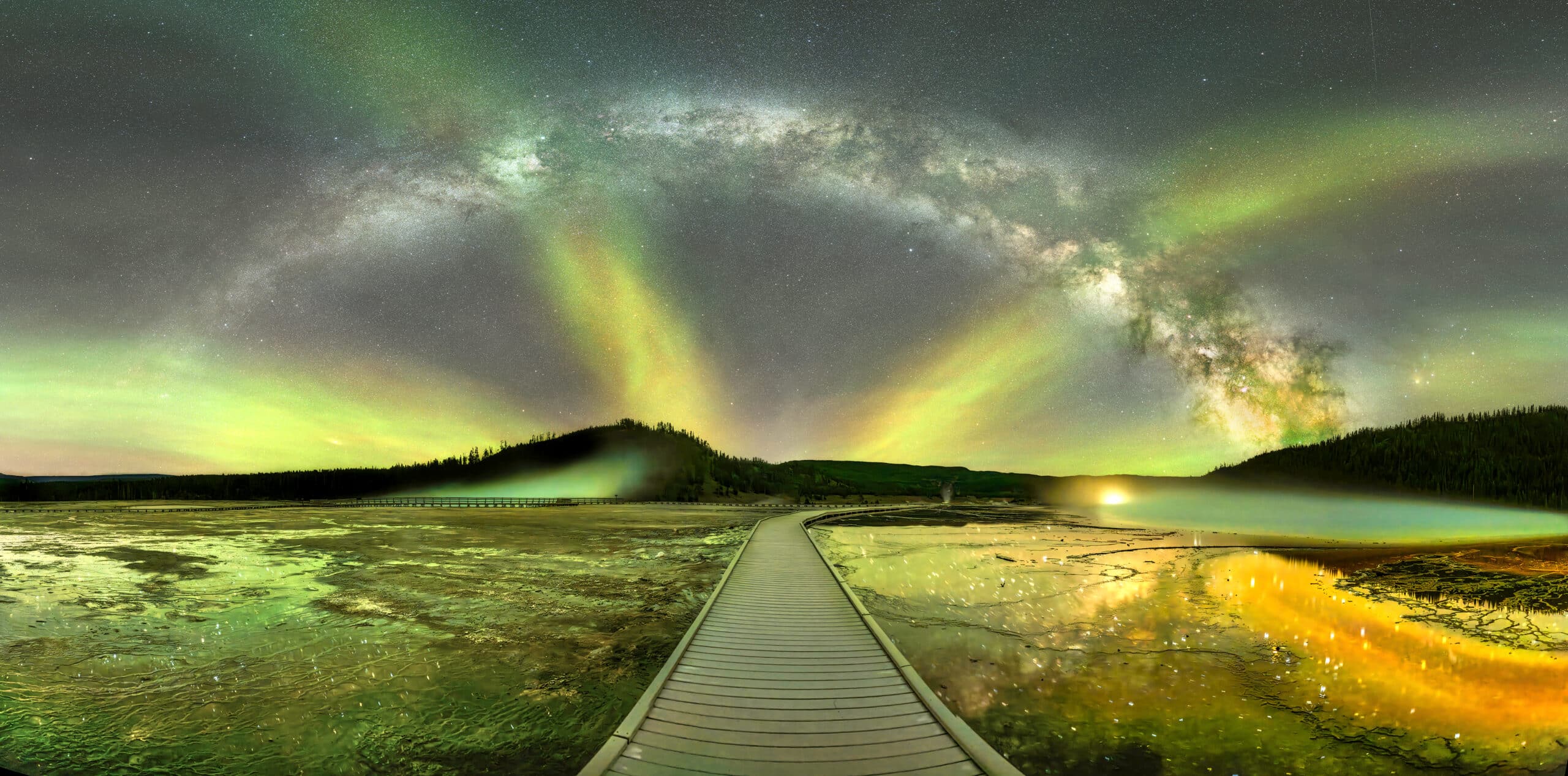
And when we lift our eyes to the stars, wonder returns. Daily concerns soften before the immensity of the cosmos. We may feel small, yet profoundly connected, reminded that we are not separate spectators of nature but living expressions of it. Darkness does not diminish the world; it reveals how much of it we have forgotten to see.
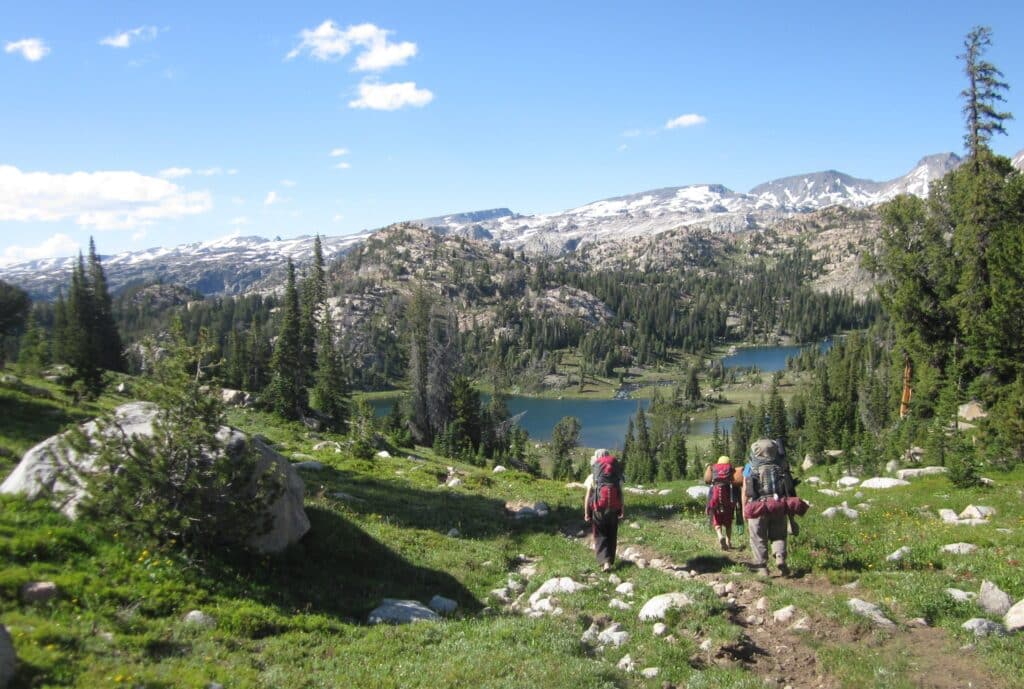
Here in Montana, that wonder is part of our wild inheritance. We treasure our rivers, forests, and wide-open horizons. The darkness above them deserves the same devotion. On a clear winter evening, a familiar ridge can feel transformed beneath the sweep of the Milky Way. In the Last Best Place, the star-filled sky is not merely scenery; it is part of what we hope to leave intact for those who follow.
And the night belongs to more than us.
Artificial light can disorient migrating birds, alter nocturnal mammals’ feeding patterns, and draw insects away from pollination and reproduction. Even plants respond to nighttime illumination, affecting flowering and leaf retention. In aquatic ecosystems, artificial light can disturb fish and other organisms adapted to darkness. Our own bodies are not exempt: bright or blue-rich light late in the evening can interfere with circadian rhythms and sleep; nighttime light exposure is also associated with depression and other health problems. These disturbances ripple through the intricate relationships that sustain life, including our own.
Fortunately, protecting darkness need not mean surrendering holiday cheer. It means celebrating with care.
Dark Sky International recommends choosing warm or amber-colored lights instead of blue-rich ones, which scatter more readily and increase skyglow; keeping displays gently lit rather than excessively bright; and directing spotlights onto decorations, not into the sky or neighboring windows. Place lights beneath eaves rather than along exposed rooflines to reduce upward spill. Use timers to switch lights off at bedtime—around 10 p.m. is a practical goal. Fewer lights, used for fewer hours, also mean less electricity consumed and lower household costs.
Such choices express a spirit of reciprocity: the beauty we receive from the natural world calls for our care in return. They allow us to share the warmth of our celebrations while honoring the lives that depend upon the darkness.
Light and darkness were never adversaries. Each lends the other meaning. A candle glows against the night; the stars reveal their brilliance when the sky is allowed to darken.
This holiday season, may our homes shine warmly—and may Montana’s wild nights remain dark enough to remind us where we belong.
Perhaps, in making room for darkness, we might rediscover something luminous within ourselves.
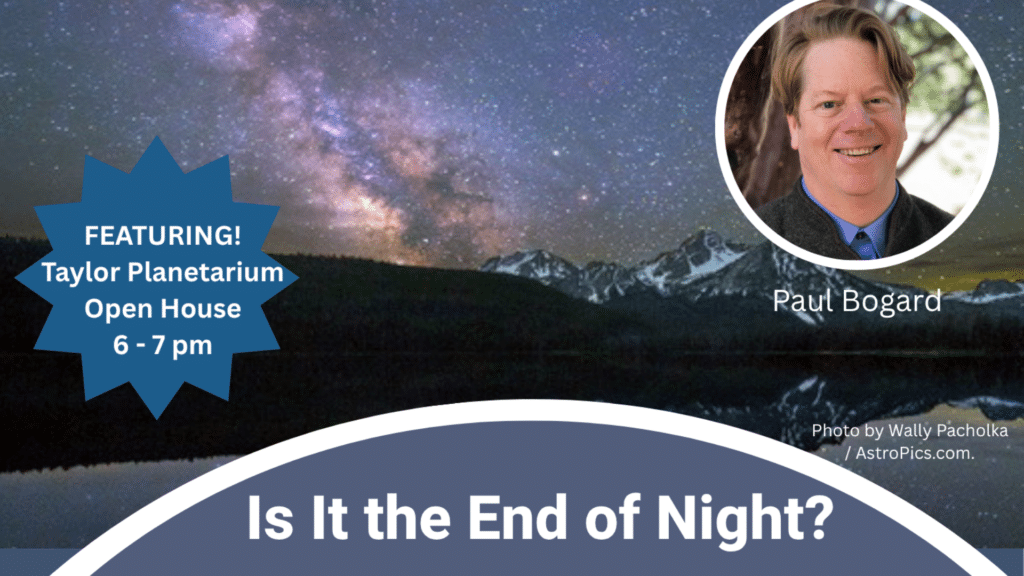
EDITOR’S NOTE: Mark it on your calendar! On January 21, 2027, Gallatin Valley Earth Day along with Yellowstonian and other sponsors are hosting award-winning author and professor Paul Bogard who will be delivering an engaging free talk at Museum of the Rockies in Bozeman titled “Is It The End of Night?” It focuses on the importance of night skies for local sense of place, ecology and how they have shaped human culture. The evening, which begins at 6 pm and ends at 9 pm, includes a video in the Taylor Planetarium. Yes, Bogard’s talk will be live-streamed. Keep checking back here to sign up.