The Yellowstonian Interview With Alison Sweeney
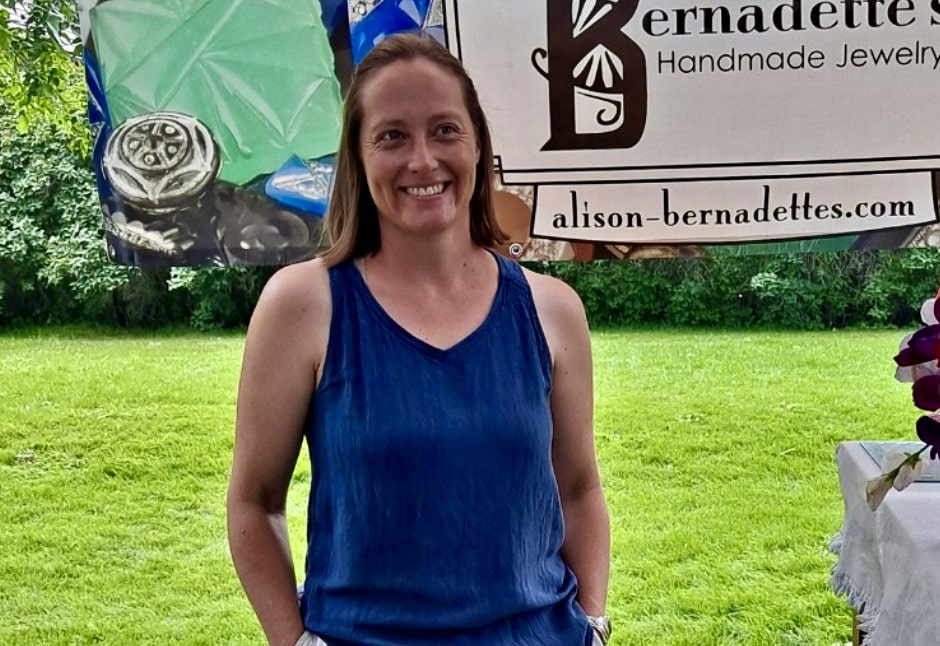
Todd Wilkinson: You’re a sixth-generation Bozemanite, an artisan and a person who is keenly sensitive to the desires of people, especially young working people, to still be able to live in the town where they grew up. Please describe the sense of the angst that exists relating to newcomers with means, having immediate access to living here but locals with deep roots feel alienated and driven out.
ALISON SWEENEY: Well, the first thing I would say to that, is that I was always very proud of my heritage here in this valley, though it is a complicated history. I grew up very close with the Crow people, so I was never ignorant to the fact that the reason my ancestors could come here and homestead was because of the systematic removal of a people and the forced assimilation, which resulted in basically state-sponsored cultural genocide. That is real. And yet, when I think of my ancestors, the individuals who homesteaded, what they left were arduous desperate lives without opportunity. Leaving everything you know behind, and taking a huge leap of faith to travel to the other side of the world—that takes a courage unimaginable to me. What they came to in this valley in 1863 was no less arduous, maybe more so, but there was a sense of opportunity if you had the mental, emotional, and physical strength to make a go of it. A feeling that if you worked hard, and got lucky, you could better your circumstance. The epitome of the American dream, right?
TW: Please delve into that more. You’re progressive minded and you have the experience of being an unprivileged, up by the bootstraps business entrepreneur who practices fiscal responsibility. You also have an inherent sense of patriotism and belief in civic duty. How does that color your own notion of the American dream?
SWEENEY: I think the essence of being an American is acknowledging these two opposing circumstances of exploitation, on one hand, and opportunity, on the other, and going forward with dedication to constantly do better.
Young people across the country feel that American dream becoming more elusive, and in some places unattainable. I am almost certainly the last of my siblings to own a home here in Bozeman. My husband and I are working class, and we bought our home 20 years ago, right before the 2008 crash. He is a roofer and I’m a jeweler. Like so many Bozemanites we would never be able to buy our home now.
“Young people across the country feel that American dream becoming more elusive, and in some places unattainable. I am almost certainly the last of my siblings to own a home here in Bozeman. My husband and I are working class, and we bought our home 20 years ago, right before the 2008 crash. He is a roofer and I’m a jeweler. Like so many Bozemanites we would never be able to buy our home now.”
—Alison Sweeney
TW: A common, prevalent complaint is that longtime residents and common folk feel the city hasn’t been listening and has treated advocates for maintaining community character as nuisances who should just step out of the way and let developers do whatever they want.
SWEENEY: The word “alienated” is really interesting. When I started participating in city government, mostly reading plans/reports, trying to track the evolution of the development code update, and giving public comment at commission and advisory board meetings, hoping to affect local policy, I learned very quickly that the people in this sort of inner-circle of city policy largely did not grow up here. They held a certain level of distain for those who did and for other long-term residents who have given their life to cultivating Bozeman as the desirable place it is today.
TW:That’s ironic given that the rhetoric flowing down from the governor’s mansion in Helena and aligned conservative state legislators is that they value multi-generational heritage and the concerns of local people.
SWEENEY: I learned within a few months to never reference my heritage at public meetings, because it immediately turned the “decision makers“ against me. It gave them a reason to dismiss me. There is a culture within the organization of the City of Bozeman—and amongst the paid and unpaid satellite participants that influence policy— that anything that hinders growth and development is inherently bad. But I don’t believe that is the position of the vast majority of Bozeman residents.
We are constantly confronted with the accusation that we don’t want anything to change, that we want to put everything under glass or encase it in amber. Of course, that’s false and the truth is much more nuanced, but again this narrative is used to dismiss the idea that we should grow carefully with intention and respect for our heritage. Heritage meaning cultural, architectural, and also the natural environment.
—————————————
—————————————
TW: Indeed, what’s emerged is a strange dynamic that didn’t exist before and it involves people in neighborhoods believing they have to act in defense of policies and actions being undertaken by the city.
The city has seemed to be influenced by a mixture of libertarian and anti-regulation technocrats who have cleverly co-opted some on the Left, making them believe the free market has their best interests at heart. Almost never has the free market without inducement, created affordable housing. I say this with a tinge of sadness: the local newspaper and its young reporters, while talented, don’t seem to have a deep grasp of Bozeman’s community values that are under siege and, as a result, they report “facts” only superficially, without asking tough questions and giving readers context for how dramatic the changes are. And, there’s an arrogance among hipster developers, who have little reverence for history, and love to portray longtime residents as uninformed local yokels.
SWEENEY: For quite a while, I started to feel bad about being from this place. But once I really got out on the campaign trail I experienced a totally different attitude! People were excited that I grew up here, amazed even. It was really comforting, and empowering. I now recognize that it’s not something I need to hide, and it actually gives me a really unique insight into how we can grow, and still stay Bozeman.
From my personal experience, I think the largest source of the angst is economic as you say. People have always made sacrifices in order to live here. Bozeman was never an easy place to live. My mother worked two and three jobs for most of my life, but it was doable. If you could get a job, you could spend your off time raising a family or enjoying the outdoors. Now you work two or three jobs just to tread water. No home, no family. Why is that? What changed?
TW: And the answer is…?
SWEENEY: The resource being extracted changed.
The history of the West is a history of natural resource extraction. First, mineral wealth was extracted, then agricultural wealth, and now the resource being extracted is our quality of life, and our access to intact landscapes, waterways, and wild areas. The rate of extraction has intensified in lock-step with the amenitization and commodification of this place. I first became aware of it after A River Runs Through It [the film adaptation of Norman Maclean’s novella] was released in 1993. Since then, we’ve had a major movie or TV series every decade, coupled with the ability to remote work, and the global shift in housing as a corporate level investment. It’s the perfect storm, making the most beautiful places in the world unlivable for average working people.
What can we do? Well, we can start by recognizing that our heritage—cultural, architectural, and environmental—has value and is worth protecting for everyone, regardless of economic standing, and for posterity. We must recognize that we humans are not the only land users, or water users. Only then will we be able to manage growth intentionally. Only then will we be able to say, “No, that is not worth selling to the highest bidder.” Its value is for all.
—————————————
—————————————
TW: As someone—I’m speaking personally here—who was involved with historic preservation in Bozeman going back to the days when the Story Mansion and the original historic Armory Building were rescued— and who sees the parallel with wildlife preservation, conservation of nature and culture of rural people—there seems to be a shift that’s happened. Growth, as you note, has been embraced at almost all costs over the willingness to vigilantly protect the essence of this place—as if destroying beloved parts of the community is inevitable. The Better Bozeman Coalition doesn’t believe that. Please share the genesis of the BBC and what prompted you to become more formally organized as a private citizen—and, in galvanizing a groundswell of like-minded people who gravitated toward what you’ve been doing.
SWEENEY: The Better Bozeman Coalition was born out of the City’s update to the unified development code (UDC) in 2023. I think it was a reaction to the story we were being told, not matching up with the observable reality on the ground.
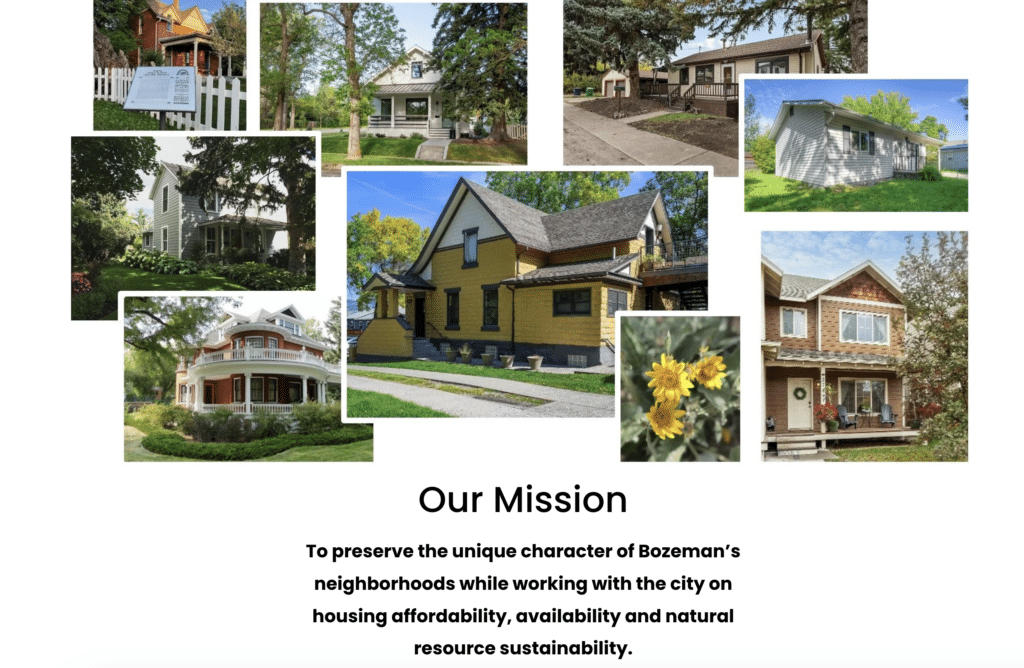
It was actually at one of the municipal candidate forums in the fall of 2023 at a place called Break Room (Now College Street Taproom) where several of us hatched the idea for the Better Bozeman Coalition together. Soon after we met at the home of our first chairman to workshop our mission. It was a really productive meeting with a profound sense of urgency, and it resulted in what I think is still a robust and meaningful mission:
“To preserve the unique character of Bozeman‘s neighborhood while working with the city on housing affordability, and natural resource sustainability.”
—————————————
—————————————
TW: It seems that the creation of BBC served as both a wake-up call and a place where the silent majority of residents, who have not been happy with the way both the city and county have dealt with growth issues, finally felt as if there was a group advocating on behalf of their concerns, yes?”
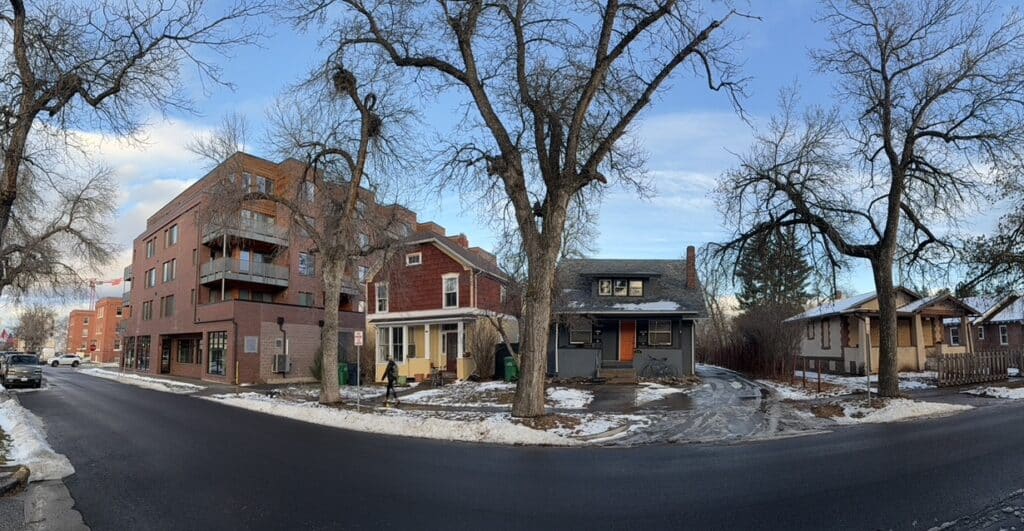
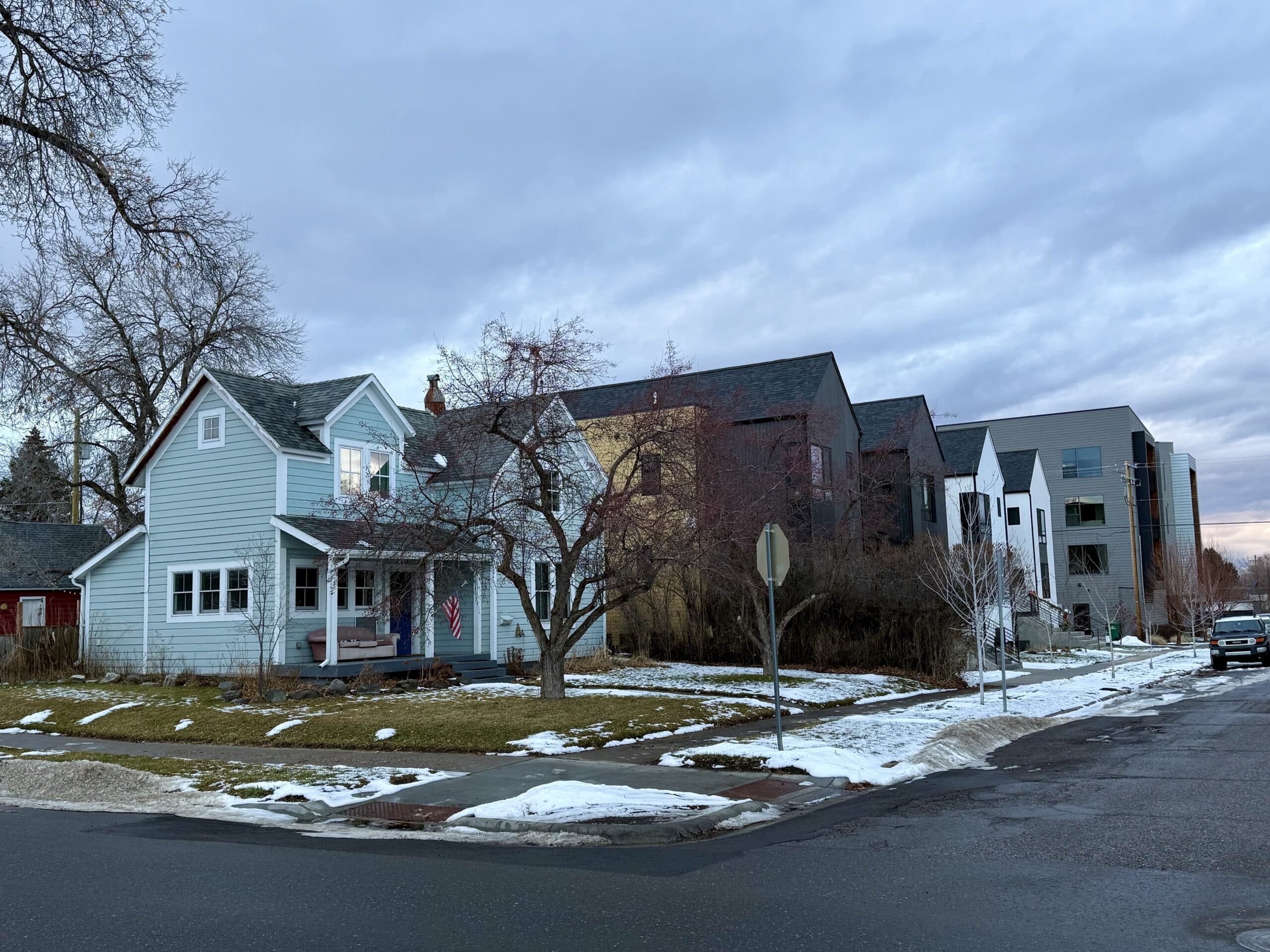
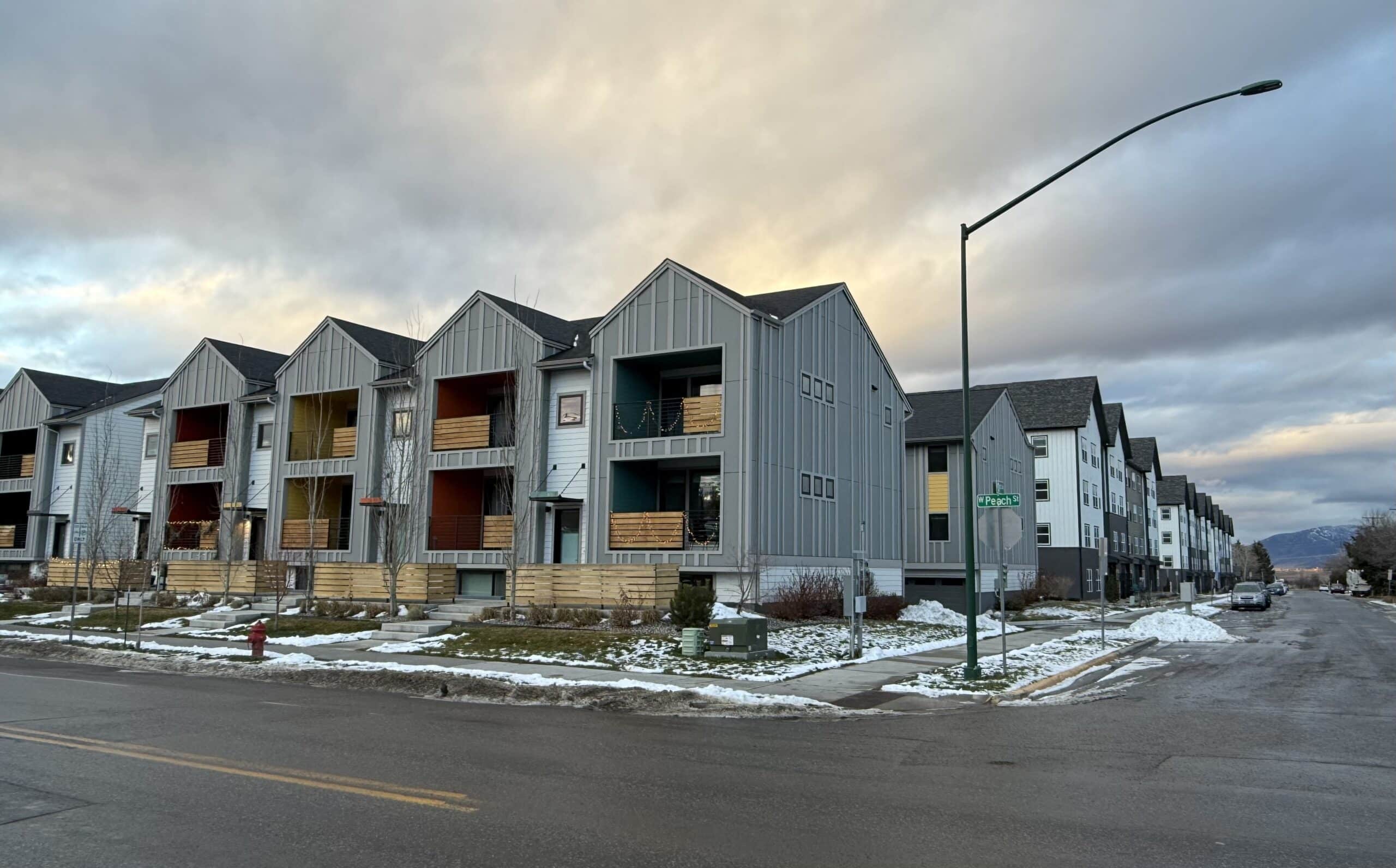
SWEENEY: I think a lot of people across different neighborhoods had been observing the economic displacement of the last 10 years, resulting from the redevelopment and gentrification of our historic neighborhoods. It’s continuing to happen right now. A small older home will be purchased by someone from out of state and torn down. A new fancy mansion, or condo complex is built in its place. And often these new structures are not occupied year round. We lose neighbors, we lose historic character, and we are actually losing economic diversity in our core neighborhoods because of this redevelopment process.
Many people who’ve joined the Better Bozeman Coalition saw the proposed upzoning of the 2023 UDC draft as expediting this process of gentrification and displacement. By allowing eight units on every lot in town, the new regulations would essentially throw water on the grease fire of land-price inflation, and increase the rate of redevelopment, exacerbating the displacement. With our historic preservation program having been systematically dismantled over the last decade, redevelopment will not even respect historical character.
TW: What were some of the first steps the BBC took?
SWEENEY: We began to execute our mission by breaking up into teams assigned to research different topics. We delved into critical questions. How did our historic preservation program become ineffectual? Why are local policy makers believing the narrative that redeveloping already expensive land will somehow result in affordable housing, when what we see time and time again is exactly the opposite? A $700,000 home is torn down, but replaced with five $1.2 million condos. How do we actually get affordable housing built? How do we strengthen code to protect our urban forest, and our watercourse infrastructure as we grow?
Through the exhausting effort of dozens of our most active members, our coalition partners, and our broader subscriber base, over the last two years, I do think we’ve achieved some good outcomes in the recently adopted UDC. That can only be the result of research and observable fact becoming more accepted by policymakers, rather than just swallowing the spoon-fed national narrative of upzoning, density, and supply will fix affordability. It won’t. We know that now. It is observable. And I think more people are accepting that reality.
—————————————
—————————————
TW: No one I know is unsympathetic to the lack of affordable housing, and let’s note it has not been caused by overregulation, nor has the free-market solved the issue. It’s clear the land rush mentality, which includes developers based in Big Sky bringing their methodology here, has focused on aggressive monetizing of square footage. And yet, de-regulation and relentless pushes to upzone are not appreciably fixing affordable housing but also destroying the character of historic neighborhoods once considered safe. You were elected on a platform of being an advocate for citizens who feel that developers have hijacked the conversation. What will your role be on the City Commission?
SWEENEY: Yes, growth has not only been embraced, but actually incentivized by the organization that is the City of Bozeman, at the cost of everything else.
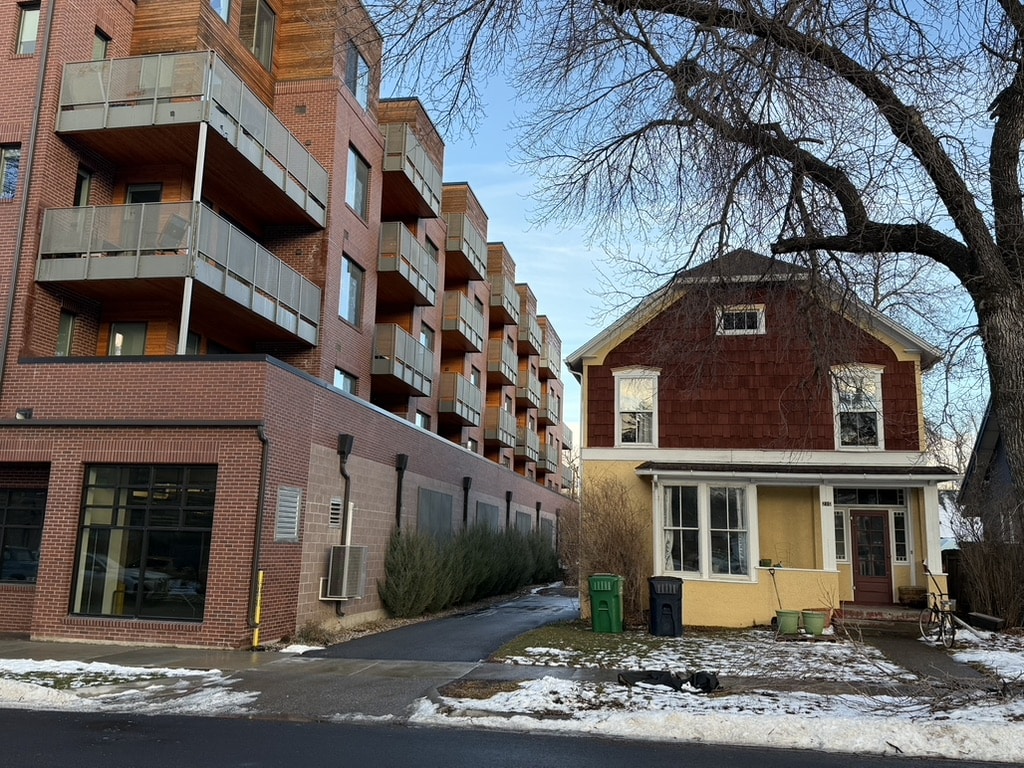
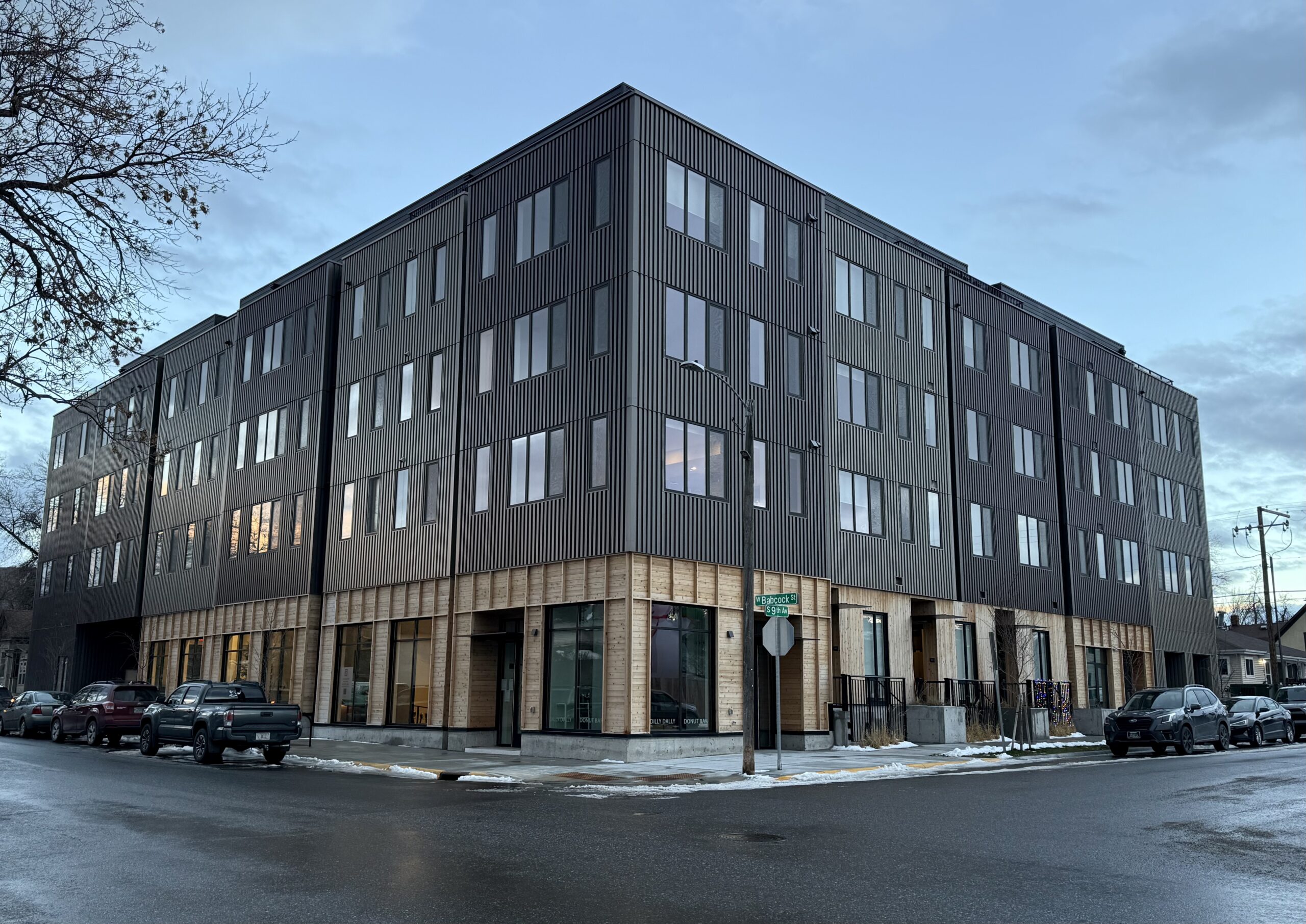
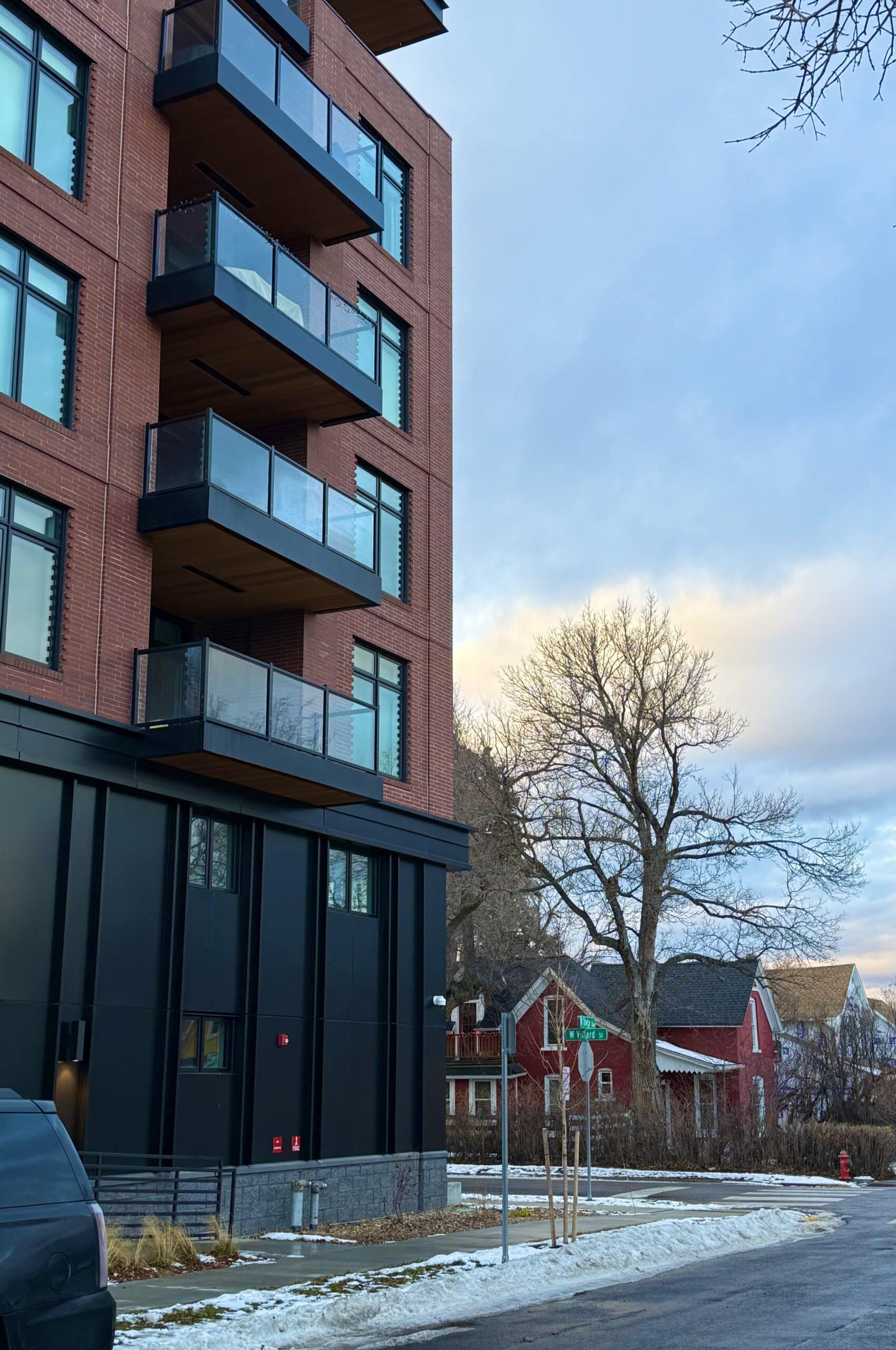
TW: One of the problems with disorganized and unscrutinized urban planning, when unintended consequences are not factored into short-term decision making, is that mistakes can continue to mount. For example, when a high-rise apartment is allowed to invade a residential neighborhood, it changes the neighborhood forever. It negatively impacts the solace of adjacent property owners and they may stop maintaining their home or begin exiting the neighborhood one after another, with developers then scooping up those parcels and aspiring to put up more high rises. The City of Bozeman—which is to say, people representing the city—have allowed buildings to dwarf adjacent 19th century Victorian homes with no height transitions between old and new. The free-marketeers and libertarians tout “property rights” but what about citizens being protected against having your quality of life and neighborhood destroyed? It’s created adversarial relationships. These longtime residents never thought they’d have to fight to protect their quality of life.
SWEENEY: Decision makers all over the country are seduced by the seemingly simple solution of deregulation in order to spur housing creation, with false belief placed in something called “filtering,” a narrative crafted by the development industry itself.
—————————————

—————————————
TW: Regarding the theory of “filtering,” the administration of Gov. Greg Gianforte and some state legislators have stood accused of proposing reckless anti-regulation policies to accommodate developers. But Democrats don’t have answers either. Many, blindly, keep pushing the narrative that it’s only a supply issue and they’ve been meek or weak in defending historic neighborhoods. I just read a story in The Aspen Times about efforts in Colorado to deal with mandates handed down by Gov. Jared Polis, a Democrat, and the legislature.
An expert named Margaret Bowes, who is executive director of the Colorado Association of Ski Towns and represents 30 different mountain communities, including Aspen, Steamboat Springs and Vail, warned that a one-size-fits all approach doesn’t work.
In the story, Bowes told the reporter, “Some of the bills…seemed to indicate that building more housing would bring down the cost of said housing, and that argument just doesn’t hold in resort areas. More housing without any affordability provision will just result in more investment properties, short-term rentals and second homes.” Bozeman and Jackson Hole may not be the same kind of “resort town” that Big Sky is, but Bowes’ overview applies here and there, too. How does this relate to “filtering?”
SWEENEY: Filtering is the idea that if you build luxury, people will upgrade, and free up less expensive housing units, making those more affordable units available to other people who want to upgrade. This may work in a closed system. In other words, a place with no net in-migration. But that has definitely not been the case in Bozeman.
The Federal Reserve in Berkeley among others have released reports that suggest filtering happens on the order of about 50 American years. Some of the housing we’re building now will be slums in 50 years, because it’s not quality, so yeah, I guess it’ll be more affordable. But is that what we really want?
In a place with low or no net in-migration, new housing actually won’t be built even at the top. Take the native communities in Montana, for example. There is a real housing shortage on many of our Reservations. But because there is not the profit potential, housing is not being built. It has nothing to do with regulation or filtering.
—————————————
—————————————
TW: Often, developers and realtors who are making a killing here claim to be concerned about working people—to the extent that the city needs low wage workers to clean hotel rooms, wait tables, and professionals who work for the fire department and teach in schools. In other words, treat them with dignity only if they are a useable human resource. What’s forgotten, or underestimated, is how working class people are also the backbone of volunteerism—helping the elderly, coaching sports teams, showing up to make the Sweet Pea Festival happen and so many other things.
With regard to Indian Country, if developers were really sincere about affordable housing, they could be demonstrating their magnanimous spirit there, but, for the most part, they’re not. They’re building condos to sell for $1 million in Bozeman. A few years ago, my friend, the late Tim Crawford who was a major supporter of HRDC, built affordable housing in Belgrade near Bozeman just to prove true affordable housing could be done, within budget, though profit margins were lower. Before he passed in 2022, he said government regulation isn’t preventing quality affordable housing from being built, greed is.
SWEENEY: Bozeman is engaging in the type of capital “A” Affordable housing that has become an extremely profitable industry through the use of economic constructs like the Low Income Housing Tax Credit, which actually incentivizes projects to become more expensive so that the tax credits are more valuable for sale on the tax credit market. Plus, Tax Increment Financing guarantees a developer a higher rate of return to the point that in some places nothing will be built now without a TIF gift from the public to the private developer. When I say it’s a whole other can of worms, I mean that it’s an incredibly complicated thing. Bozeman is doing this, just like the rest of the country, and it is giving into or fueling the non-profit industrial complex which actually amenitizes poverty.
—————————————
—————————————
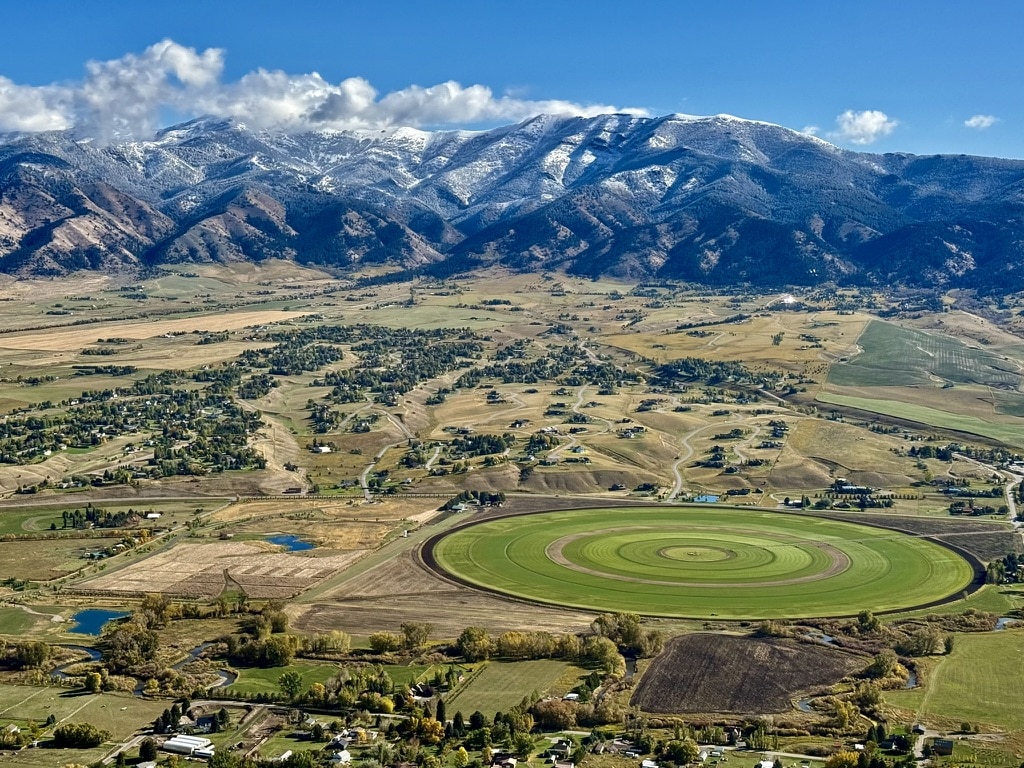
TW: That sounds like we’re subsidizing development. It’s important to note that other parts of the country have government involvement in providing a lot more subsidized housing allowing people to gain equity, and they have rent control and better renter’s rights, and higher impact fees on things like big box stores to generate revenue. There’s also a false assertion here that luxury condos in Bozeman are preventing sprawl in the countryside, but there’s no evidence of that. It certainly won’t happen in the absence of Gallatin County implementing enforceable zoning that protects ag lands, wildlife habitat and open space. Experts in land use planning say we’re witnessing the degradation of natural lands and historic neighborhoods simultaneously. The source of both is anti-regulatory, anti-government proponents of a laissez-faire free market
SWEENEY: If people are concerned about sprawl, they have to recognize that luxury density in Bozeman doesn’t prevent it. Kardashian condos do not prevent the next unaffordable subdivision. If we want to preserve our agricultural heritage and our natural environment, we have to turn to zoning, regulations, and conservation easements.
TW: You and experts that the Better Bozeman Coalition have brought in to give public talks have burst the bubble of another common myth—that we’ll build our way out of the jam we’re in. And that we can have it all—prosperity for all, sprawl, and maintain our sense of place. You say there isn’t a supply problem. Instead there is a vacancy rate problem tied to affordability in Bozeman. Luxury units driven by market prices are sitting empty while residents lose housing.
SWEENEY: If we’re concerned about affordability, we have to increase non-market housing for rent and ownership, because market rate housing alone won’t do it for us. It’s part of the equation, but it is not the solution. As we have seen in the last decade, where Bozeman has built housing at one of the fastest rates in the country, simply building more doesn’t give us affordability into the future. We also need time for wages to catch up with the cost of living. Hopefully with the projected slower growth rate we might have time for that to happen. It’s also my belief that we should be encouraging our local, small manufacturing industry, and startups, rather than just courting the hospitality and service industries.
TW: I’ve lived in Bozeman for nearly four decades and raised two now grown kids. You’re the first candidate in recent years who regularly touts the interconnection between healthy natural lands, Bozeman’s high profile role in Greater Yellowstone, how it shapes our community character and identity, and, in turn, how all of that translates into a higher quality of life. You make the links tangible. What kind of a voice will you be on the Bozeman City Commission?
SWEENEY: My role on the commission—well, I’ve obviously been thinking a lot about this since the election. I’ve heard so many people express dissatisfaction with the status quo, and yet, when we had a chance to elect up to three new members, I am the only new face, the only new voice. I think my role, when the commission examines policy, will be to constantly ask the question, “Who benefits?” I hope to bring a sense of stewardship to the city commission. Stewardship of our heritage. Cultural, architectural, and environmental heritage. Something we say at the Better Bozeman Coalition is, “We can meet the challenges of our growth without destroying the things that make Bozeman unique.”
“I think my role, when the commission examines policy, will be to constantly ask the question, ‘Who benefits?’ I hope to bring a sense of stewardship to the city commission. Stewardship of our heritage. Cultural, architectural, and environmental heritage. Something we say at the Better Bozeman Coalition is, ‘We can meet the challenges of our growth without destroying the things that make Bozeman unique.'”
—Alison Sweeney
TW: Communities across the country and across the Greater Yellowstone Ecosystem and Rocky Mountains are all struggling with an affordable housing crises. If we’re sincere about finding a solution, it seems the only places where some progress has been made is through government involvement in providing subsidies to working class people who rent or want to buy and move up the equity ladder. It also seems that the singular argument, whose assertions are unproven, is that market-driven supply will fix the mess but lacking in that conversation is the impact on community character, landscape in the city and county, wildlife, parking etc. In addition, there’s the very real possibility we may never solve the affordability disparity as an inward flow of newcomers with money continues to surge. Are we chasing an answer for an unsolvable wicked problem? Your thoughts?
SWEENEY. Well, we definitely know market driven supply will not address inequality. It mostly results in expensive housing in desirable markets, not the much needed shelter from which the middle class can build a life. And as you say, it often destroys landscapes, natural resources, and community character.
We are living in a time of late stage capitalism, where all of the economic wealth is being funneled to the top in a crazy cycle of speculation and collapse. The last time we found ourselves in this situation as a country, was at the end of the 19th century. It was called the Gilded Age. That led to the labor movement in which workers unionized in order to advocate for their interests and enjoy more of the productivity of their efforts. We are now seeing tenants unions across the country forming, in order to advocate for their collective interests, because their productivity is being extracted by corporate landlords through exorbitant rents manipulated by algorithms.
TW: One of the arguments, or one might call it excuses, towns and counties routinely use for not demonstrating better leadership and accountability on growth issues is that the state legislatures have hamstrung their ability to do the right thing. But it needs to be pointed out that towns and counties largely refrained from adopting ecologically-minded planning and zoning long before the legislature started carrying out their radical anti-regulation agendas.
SWEENEY: The Montana state legislature is actually one of the biggest barriers to the larger cities in Montana regulating their own growth and affordability. Montana outlaws rent control, inclusionary zoning, and a host of other tools. The state wants us to build build build, because they get a lot of tax revenue from our growth. It’s my belief that we as a city need to build municipally-owned mixed-income housing for rent, that cross subsidizes tenants from different economic backgrounds, while covering the cost of construction, maintenance, and taxes. mixed income communities are the most vibrant and healthy communities. We also need to create a public developer that builds and sells housing at cost with deed restrictions for permanent affordability. These are really big, visionary goals, I know. If we manage to do both of these things, we might be able to keep more of our working class living in Bozeman in a generation.
TW: Growth has been described by some planning experts as a kind of Ponzi scheme. New growth must constantly be approved to generate tax revenue to foot the bill for previous growth that isn’t paying for itself. What else is on your radar?
SWEENEY: You’ve mentioned parking. The state legislature took away the ability for Bozeman to require parking in most housing developments. This means we have to regulate density according to infrastructure capacity, because we have the highest rate of car ownership in the country. We cannot increase density in areas where there is a very high rate of on-street parking utilization.
TW: Some high-profile developers in earlier years, in trying to win approval from the city commission and not have to create parking spaces, said they were providing free bicycles to their tenants and that it would result in fewer cars on the road. That may be true on the island of Manhattan in New York, but it’s an absurd premise. No one is riding their bikes with skis on a rack in January a dozen miles to a trailhead or to a ski resort.
SWEENEY: Most Bozeman residents have cars because you can’t take the bus to go fishing, hunting, snowmobiling, mountain biking, hiking or many of the other outdoor activities people like to do here. There is public transportation to the ski hills and on routes in town, but that’s it. A parent is also not going to walk or bike their kids in the winter at frostbite-temperatures when it’s snowing sideways. I’ve been very honest in communicating to people that I believe we will move to electric vehicles before we abandoned personal vehicles entirely.
—————————————
—————————————
TW: Personally, there’s something spooky about Waymos. But, moving along, you’ve publicly made a stronger case for protecting our wild and pastoral countryside than many paid environmentalists have—people who work for major groups here but who have been reluctant or too afraid to talk about the need for enforceable land use planning, zoning and limits, which, it should be noted, exist in most other corners of the country. The record shows that voluntary conservation is not keeping pace with the amount of land being lost to sprawl.
SWEENEY: As far as protecting our natural environment as we grow, that is a bit more in our hands. But we have to decide we want it! I will advocate for an update to our Growth Policy, but I need two other commissioners to agree. Bozeman’s City Commission operates on a majority. You need three commissioners to get anything done. According to state law, cities must be guided by their Growth Policy, which will now be called the Land Use Plan. Bozeman has had one for a while, but it’s a very pro-density document in the false hope that density alone will somehow provide affordability and save our agricultural farmland and wildlife corridors.
“…I think most of our mayors, particularly in the last decade, have been focused on growing Bozeman into a high density big city like Salt Lake, Boise, Denver. Current city plans talk about the area between Belgrade, Four Corners, and Bozeman having 400,000 people in it! For me that’s a nightmare, but… a lot of people in that sort of inner circle I mentioned before think that would lead to a lot of economic prosperity and be good for the population overall.”
—Alison Sweeney
TW: And there’s the matter of what, or whom, serves as the consciousness of environmental decision making. Not only do the city of Bozeman and Gallatin County not have a trained permanent ecologist on staff—a person who is able to operate without distraction or pressure applied by planning departments who often are sympathetic to developers—but most other locales in Greater Yellowstone don’t either. Thus, the most consequent decisions shaping Greater Yellowstone—stewardship of private land—is not informed by coherent scientific expertise. And there’s a parallel. In addition, in Bozeman, a previous city manager carried out actions that markedly weakened the ability of the city’s Historic Preservation Advisory Board to review proposed developments deemed harmful to historic neighborhoods. In other words, the city’s commitment to upholding historic preservation has arguably gone backwards, even as the value of historic preservation has risen.
SWEENEY: Consultants recently recommended that we add a historic preservation chapter to our Land Use Plan. We don’t currently have one. No wonder our city pursues density at all costs.
I would like to title a new chapter, Heritage Conservation. In this new chapter, we can identify fundamental resources which include cultural resources like neighborhoods and legacy businesses, natural resources like landscapes, waterways, wildlife corridors, view sheds, and historical resources like archaeological sites, specific buildings connected with early Bozeman, agricultural settlements, etc. if we ascribe value to these fundamental resources in our Land Use Plan, we can make policy to safeguard them as we grow.
TW: You’re aware of this but I find it stunning that not a single Bozeman mayor in their state of the city address has ever touted and prominently elaborated upon Bozeman’s status as the main gateway to the only ecosystem that has our first national park at its heart and is home to all of the major wildlife species here in 1491, before Europeans arrived on the continent. The rhetoric instead frames Bozeman as just any other livable place, but it’s not. When people fly into Nairobi they’re reminded how it’s a gateway to the wildlife-rich Serengeti. Why hasn’t Bozeman fully embraced the distinction it has and imparted a message to residents that we all have a shared responsibility to safeguard an ecosystem that is rare, fragile and world-renowned?
SWEENEY: That is a terrific question for which I do not have an answer. I haven’t been paying attention at this level for long enough to say for sure, but I think most of our mayors, particularly in the last decade, have been focused on growing Bozeman into a high density big city like Salt Lake, Boise, Denver. Current city plans talk about the area between Belgrade, Four Corners, and Bozeman having 400,000 people in it! For me that’s a nightmare, but… a lot of people in that sort of inner circle I mentioned before think that would lead to a lot of economic prosperity and be good for the population overall.
—————————————
—————————————
TW: Yes, it’s a strange perception, it seems, that we have to grow big to become a legitimate place on the map and its pursued without any reflection on the fact that people want to come here because our natural sense of place is different from everywhere else where wildlife, wildness, wild rivers and pastoral landscapes have been lost to either myopic or ignorant thinking.
SWEENEY: I hear people talk about Bozeman becoming “a regionally important city.” Well, what does that mean? I think they’re talking economically, not environmentally. Though the two things should be considered in tandem more often. With the new era of extraction being focused on quality of life and access to natural “amenities“ the two are definitely linked! We have a new mayor taking the reigns, Joey Morrison, who is young and from Miles City. He may be different.
TW: If he does, he’ll make a name for himself. You’ve traveled around the world for your jewelry business. What are the things you love most about returning to Bozeman, the Gallatin Valley and Greater Yellowstone Ecosystem?
SWEENEY: I’ve traveled to over 20 countries, maybe as many as 25. Since my husband and I both own our own businesses we used to travel every winter for about two months at a time—not for business, that’s US based. That type of travel stopped for me in 2023 with the City’s proposed UDC update and the formation of the Better Bozeman Coalition, and now because I will serve four years on the city commission. That is not conducive to two months travel every winter. I love other cultures, foods, history, traditions, methods of craftsmanship etc. I did study metal engraving in both Thailand and Morocco.
But I love this place. It’s home. I love our culture and history as well. When I visit the graves of my pioneer ancestors, I feel that keen sense of duty and stewardship to preserve the link with the past, so that future generations may know our shared history. When I spend time with my Crow family, or in my garden, or hunting, or tending my bees, I feel that fundamental truth that all of our prosperity and blessings come from our great mother, the Earth, and all creatures upon it.
It’s time to devote some of my energy, productivity, and love, to safeguarding this place as we grow. I’ve seen places that have been loved to death, and it is not a fate I wish for Bozeman, the Gallatin Valley, or the Greater Yellowstone Ecosystem.
“…I love this place. It’s home. I love our culture and history as well. When I visit the graves of my pioneer ancestors, I feel that keen sense of duty and stewardship to preserve the link with the past, so that future generations may know our shared history. When I spend time with my Crow family, or in my garden, or hunting, or tending my bees, I feel that fundamental truth that all of our prosperity and blessings come from our great mother, the Earth, and all creatures upon it.”
—Alison Sweeney
TW: What’s been important in your own evolution of thinking about real stewardship and co-existence between nature and human communities?
SWEENEY: When you see how other places do it, you recognize the things that Bozeman has done well and the things Bozeman could do better. First of all, I have to say we [the US] have the best plumbing in the world! I’m not just saying that because I’ve done plumbing work, we really have the best standards and equipment. So I like coming home to my plumbing, ha!
In all seriousness though, we also have the best drinking water! Maybe the only other place I’ve been with comparable drinking water from the tap is Scotland. Bozeman is currently working on updating the integrated water resources plan (IWRP) and the focus has been how to find more water to sustain more growth. Personally, I hope we never adulterate our beautiful snowmelt surface water supply with potentially contaminated ground water.
TW: Hunting, for sustenance and as a way of connecting with the land, has been part of your family history. How has that informed your thinking?
SWEENEY: The fact that we have wild animal populations that will support a managed system of hunting is reasonably unique in the world. And that doesn’t happen by accident. That happens because of habitat conservation, and hunters are actually a large part of that conservation effort. I grew up in a hunting family, and normally hunt every year. This year I was too busy with the election, but plan to go out again next year. Antelope and deer. Elk are too much work, ha ha. I’m out to fill the freezer, not put heads on the wall.
“Something Bozeman has not done well as we’ve grown is protect our sense of place. We need more agricultural land in conservation easements. We need stronger historic preservation to protect our neighborhoods from speculative development that destroys character and heritage. I have high hopes for the landmark program that will take form this year. We need wilderness policy that protects our wildlife from the insatiable appetite of the recreational industrial complex. And we need more new neighborhoods that create affordable places for people to build community and a life, not more soul-crushing boxes to store humans in.”
—Alison Sweeney
TW: You’re a believer that our ability to savor the night sky is reflected in how well we approach the ground we’re standing on, and that Dark Skies are one of the greatest assets of the Northern Rockies that we take for granted. Terrestrial light pollution, however, does them in.
SWEENEY: As I travel across the country to different art shows in big cities I always appreciate coming home to the vast open space of Montana and the Gallatin Valley, though that is disappearing rapidly. I remember as a kid driving out to the Hot Springs in Gallatin Gateway, and there were no lights beyond the Gallatin Valley Mall.
I hope we can implement some more Dark Sky regulations in our municipal lighting code in the future. Though the county is a big player in open space, and dark skies. The sky and mountain views from almost anywhere in town are what truly make me feel at home. They are a major component of how I identify with this place. Those are disappearing for average people as well, especially near our historic downtown, where the canyons of the north side blot out the sun and sky for high density luxury condos and hotels. Soon only the wealthy will enjoy the views we have all shared, unless we take ownership of our viewshed.
TW: Again, you positioned yourself as a commonsense alternative to the status quo boomtown mentality but you really think it’s about returning to a center based on community values shaped by Bozeman’s uniqueness on the planet. It’s reminiscent of the kind of thinking of former Missoula Mayor Dan Kemmis who wrote books and essays about how protecting sense of place was a high civic virtue.
SWEENEY: Something Bozeman has not done well as we’ve grown is protect our sense of place. We need more agricultural land in conservation easements. We need stronger historic preservation to protect our neighborhoods from speculative development that destroys character and heritage. I have high hopes for the landmark program that will take form this year. We need wilderness policy that protects our wildlife from the insatiable appetite of the recreational industrial complex. And we need more new neighborhoods that create affordable places for people to build community and a life, not more soul-crushing boxes to store humans in.
I am under no illusion that all of this is possible. My father always says, “You can have anything you want, but you can’t have everything you want.” I also believe that if we each do one thing, we do a lot. Bozeman is full of intelligent, community minded people. We can do hard things, if we put our mind to it, if we give each other a little grace, and if we prioritize evidence over national narratives. If we do right by our community and this place, “Who benefits?“
ALSO READ: