

by Yellowstonian
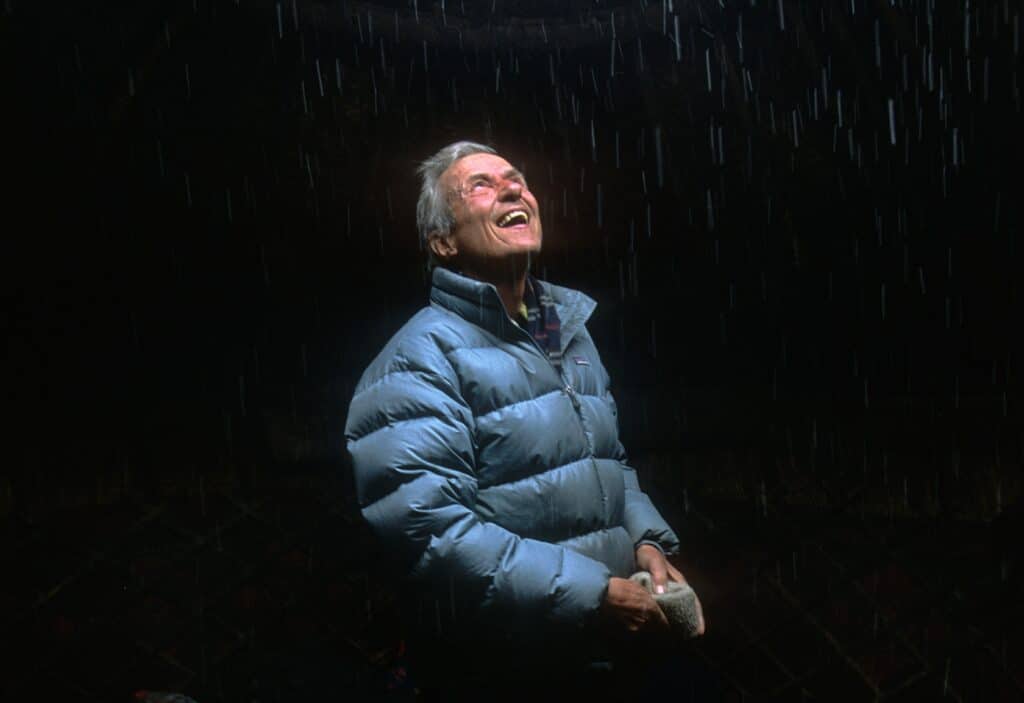
In late autumn 2024, the widely-watched TV program, CBS Sunday Morning hosted by Jane Pauley featured a short segment on American media pioneer and businessman- turned bison rancher, humanitarian and full-time conservationist Ted Turner.
Long before any of his predecessors Turner was out front promoting land protection and using his private properties to be havens of secure habitat for wildlife. The flagship of his vision is the 113,000-acre Flying D Ranch southwest of Bozeman which is home to most of the original native species there 500 years ago.
The property has been home of the largest wolf pack on private land in the world as well as grizzly bears, mountain lions and many other species. Its creeks are a place where westslope cutthroat trout, imperiled on the east side of the Continental Divide, have been restored. Indeed, the Flying D, protected forever through a conservation easement arranged through The Nature Conservancy, stands in contrast to lands around it being fragmented by sprawl.
In just a single year, this segment on Turner has been circulated internationally and the upload on youtube has been viewed more than 1.2 million times. Part of the segment features a conversation between respected CBS Sunday Morning journalist Lee Cowan and Yellowstonian founder Todd Wilkinson. We at Yellowstonian are devoted to providing perspective on the big picture.