
by Yellowstonian
What is “wilderness?”
To people of religious devotion, wilderness is an ancient place of soul-searching and reverence, humility expressed before a power greater than oneself, a realm where clear-headed visions are imparted to seekers of direction, and where inviolate divinity resides beyond the bounds of human conquest.
To us here and now in our corner of the American West, wilderness signifies something far more profound than its amorphous proxy word, “wildness.”
We believe the cause of wilderness, more than ever, needs defenders, not more agnostics meekly negotiating the terms of its surrender. Our notion of wilderness is not defined solely by the intent and poetic language of a law written six decades ago, nor do we accept the excuses concocted by some for why wilderness lands should not be treated as a national treasure, a gift to future generations.
At Yellowstonian, with the launch of this ongoing series titled, “Hell, Yes, Wilderness,” we operate under the scientifically proven verity that wilderness is where the highest quality of wildness still persists; where untamed wild beings who otherwise have a difficult time surviving in the larger human-dominated world of the so-called “Anthropocene,” can still endure without our significant intervention, haphazard meddling and hubristic tinkering.
Most of all, we reject the premise—ironically being fomented by both the political Left and Right—that “wilderness” and its role in perpetuating the richness of biological diversity is passé, or a blatant racist expression of settler colonialism intended to lock people out of public lands.
If one gives a whit about the survival of wildlife, we find the latter trope to be especially absurd, if not ignorant of ecology and oblivious to the teachings of indigenous kinship and respect for non-human beings going back millennia.
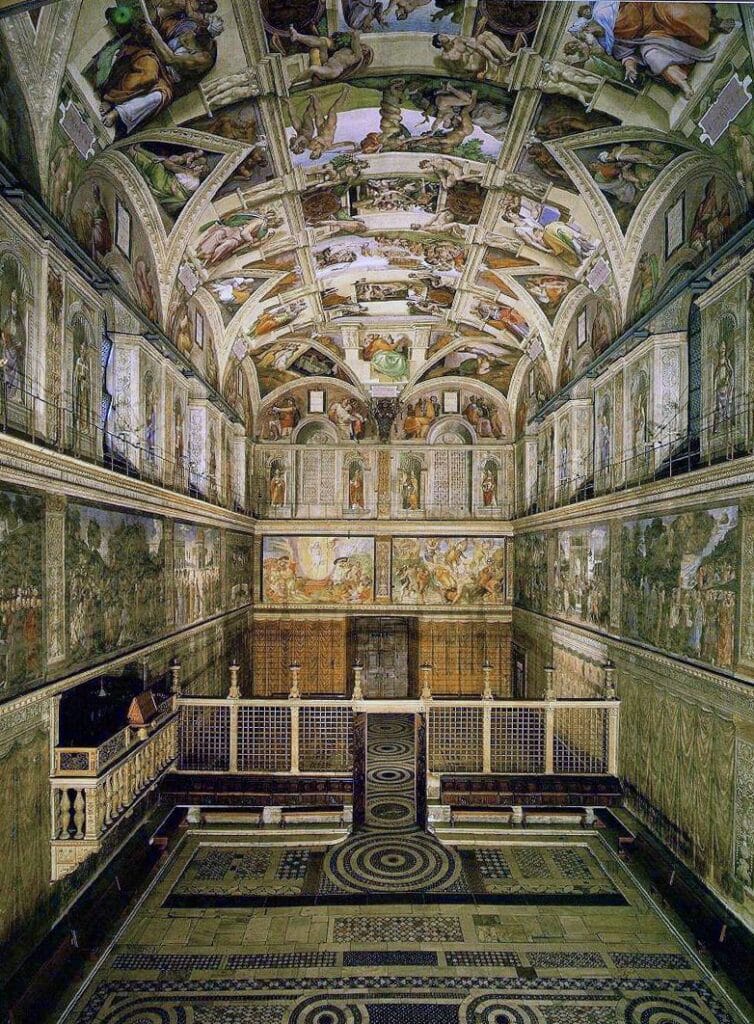
Safeguarding the essence of wilderness lands—areas that have been free of roads since the glaciers melted— represents no more a robbing of our self-centered personal freedom, liberty and prosperity than the rules of conduct we willingly accept when entering a cathedral.
After he was baptized in the River Jordan, the New Testament says Jesus went into the wilderness for 40 days at the beckoning of the Holy Spirit. There, he fasted and prayed and resisted temptation by the devil. Had it been modern times, it’s doubtful that long-haired, dark-skinned Christ would have ridden an ATV or mountain bike to the top of a distant summit to indulge his ego, carrying a cell phone with a rescue button on it and toting a chainsaw to clear trail.
Contrary to the contention of some, especially in the Ivory Towers of urban academia—including some who obviously have not spent much time in the roadless West— wilderness is not a “mythological” or abstract construct. It is tactile and tangible, certainly for the creatures who call it home. At present, the Trump Administration is taking sweeping actions to undo protection for Forest Service roadless lands and wilderness study areas and giving the outdoor recreation industry greater access to and more sway over the future of designated wilderness—with little reflection given to impacts on wildlife.
In our series on wilderness going forward, which will continue as long as Yellowstonian is able to continue operating, we will be relentlessly celebrating the role of wilderness in the 21 century—as a common focal point for pondering how it elevates the ecological value of public lands surrounding them; how it provides safe, secure habitat for native species; how it functions as a fountainhead for clean water; and offers a rarefied kind of slower motion solace exceedingly difficult to find in the mechanized, over-digitized world.
Our series will highlight the voices of wilderness thinkers past and present, ranging from scientists, land managers, artists and philosophers to elected officials and clergy. Of course, all wildernesses, just like all public and private lands, are not “the same,” not equal in their intrinsic qualities, geographical locations, or ability to exist as havens for biological diversity.
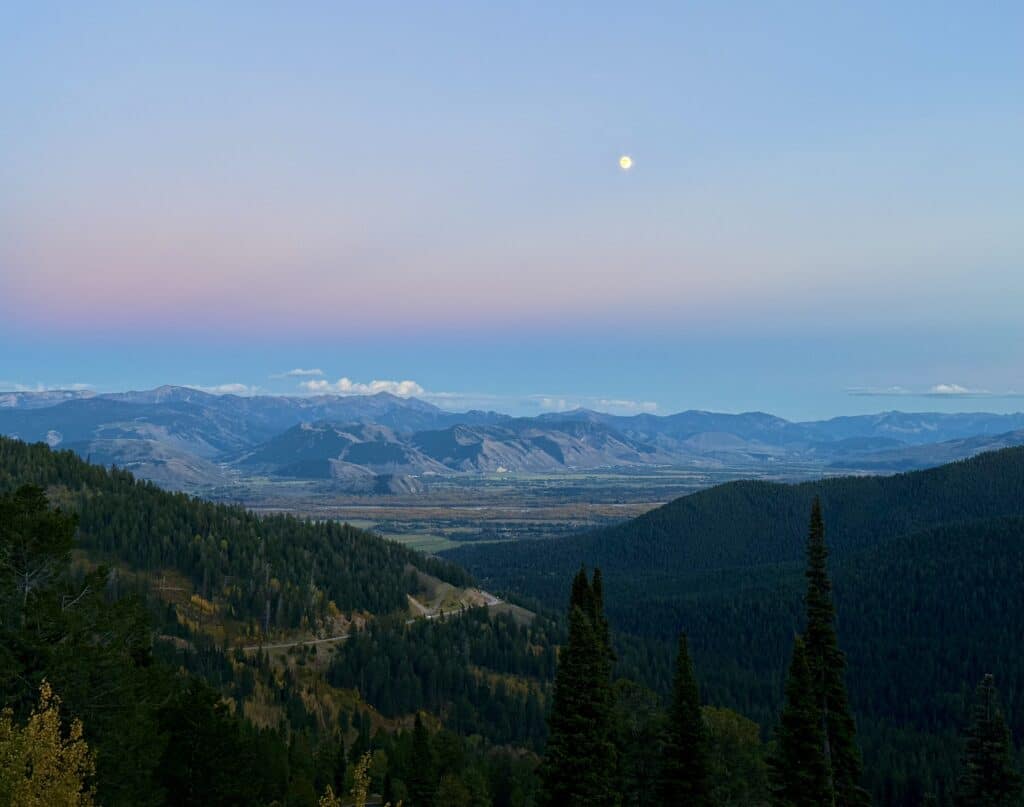
Greater Yellowstone serves as a perfect fulcrum for exploring the deeper meaning of wilderness. Formally designated federal and tribal Wilderness lands, wilderness study areas and roadless lands here and in other corners of the West and Alaska represent the very best expressions of what remains.
Many are in danger of being lost forever.
In our inaugural piece, coming soon, we’ll begin by noting how protection of wilderness is wholly consistent with worshipful attitudes toward Nature (and the Creator) going back at least 12,000 years on the North American continent.