EDITOR’S NOTE: Also read George Wuerthner’s overview of the successful legal challenge to the Custer Gallatin National Forest’s approved South Plateau timber sale, authorized to allegedly reduce fire danger, brought the Native Ecosystems Council, Gallatin Wildlife Association, Alliance for Wildlife Rockies, WildEarth Guardians, Western Environmental Law Center, Center for Biological Diversity, and Council on Fish and Wildlife. It appeared in The Wildlife News.
by Dr. Sara Johnson
The recent halting of the Forest Service’s massive proposed deforestation and road-building project bordering Yellowstone National Park benefitted far more than grizzly bears and lynx.
In fact, the area’s old growth forests provide critical habitat for 67 species of western forest birds, many of which have been classified as “species of conservation concern.’ The population of birds in North America has dropped by 30 percent, with 64 percent of 67 forest species found in the area slated for logging in decline.
The Forest Service’s own South Plateau wildlife report acknowledged there are a number of declining “species of conservation concern” in the area. These include the Brown Creeper, Clark’s Nutcracker, Evening Grosbeak, Cassin’s Finch, Williamson’s Sapsucker, Great Gray Owl, Olive-sided Flycatcher, Northern Goshawk, and Black-backed Woodpecker.
Yet, in spite of the Forest Service’s requirement that conservation measures be developed for at-risk species there are no such measures within the Custer Gallatin National Forest Plan or the Forest Service’s South Plateau Environmental Assessment.
An important component of old growth forests are “snags” which are standing dead trees. Far from being useless, some 42 species of birds and 10 mammal species use snags for nesting, roosting, and feeding. When the snag fall, they continue to provide valuable benefits including water retention on the forest floor.
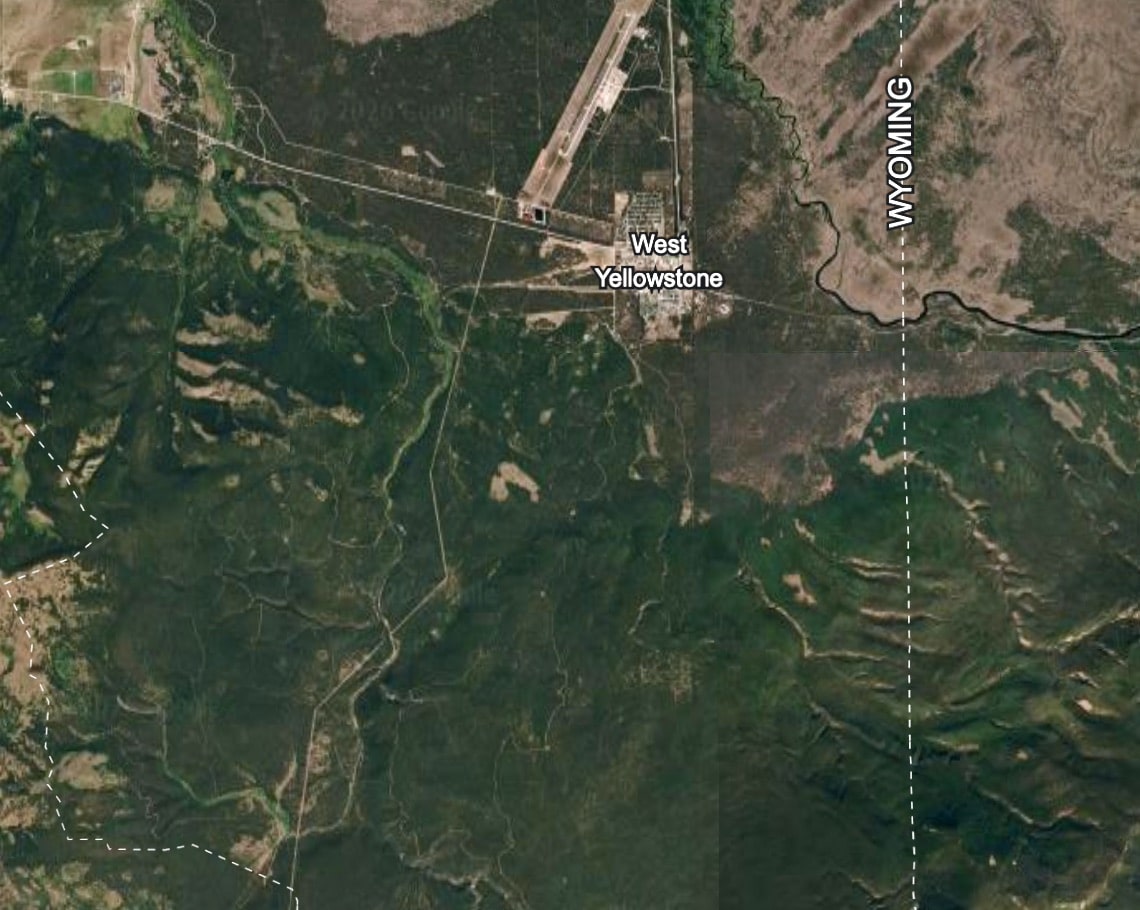
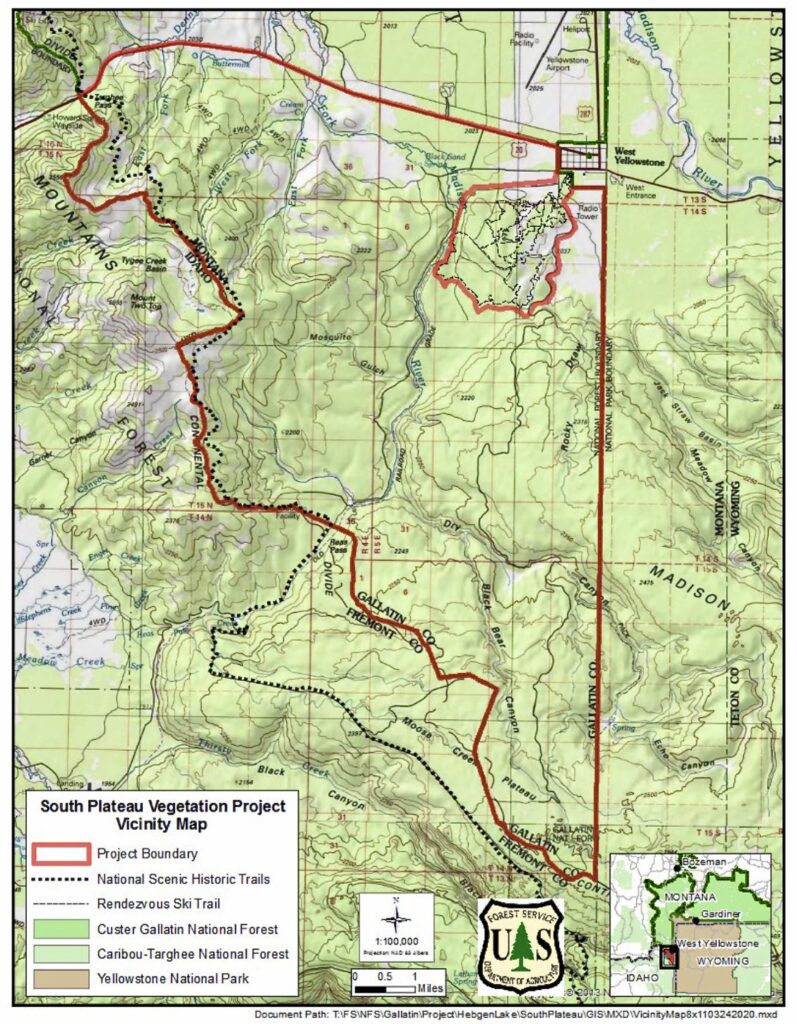
Logging would have removed all of these snags. Had we failed to stop the Forest Service clearcutting and road bulldozing plan there would have been a 52 square mile black hole of lodgepole pine old growth on the western border of Yellowstone National Park.
The science clearly shows that all of these at-risk species are highly sensitive to logging due to the loss of hiding cover for nesting and fledged young, thermal cover to ameliorate the effects of severe weather, and production of the conifer seeds that provide significant forage for birds. Likewise, when the logs fall, the insects that aid decomposition provide a critical food source for these at-risk species.
Conservation strategies for these at-risk species include forested snag habitat for the Williamson’s Sapsucker, Black-backed Woodpecker, and old growth habitat for the Northern Goshawk, Great Gray Owl, Black-backed Woodpecker, and Brown Creeper. Yet, there are no requirements in the Custer Gallatin Forest Plan to provide well-distributed old growth and forested snag habitat for any of these at-risk birds, in violation of the Forest Service’s 2012 planning rule.
Even though the huge logging and burning project would kill an undetermined number of migratory birds, this impact was completely ignored in the project’s Environmental Assessment. Failing to address the mortality levels is a clear violation of the Migratory Bird Treaty Act, which requires that beneficial practices must be implemented to avoid killing migratory birds, either by nest destruction or killing of flightless fledged birds. Yet, there were no estimates as to how many migratory birds would be killed per acre or an estimate of the annual mortality of birds, a violation of the National Environmental Policy Act.
These are all valid concerns, backed by legal mandates, that the Forest Service failed to consider. That’s exactly why Native Ecosystems Council, Council on Wildlife and Fish, Alliance for the Wild Rockies, Center for Biological Diversity, Gallatin Wildlife Association, and Western Environmental Law Center took this action to court – and won.
It’s a continuous struggle to stop the Forest Service from clearcutting the last of our old growth forests. We appreciate any help you can give us to force the government to follow the law and not continue to drive many of these birds to extinction.
ADDED INFORMATION: The Custer Gallatin National Forest refers to the proposal as the “South Plateau Area Landscape Treatment Project.” Here is a link to Forest Service documents in which they claim to have considered public comments challenging the proposal. In the recent court decision, however, a judge identified multiple areas where assertions made by the Forest Service that it considered impacts were vague at best. Here is the link to US District Judge Donald Malloy’s ruling, issued on December 11, 2025, that halted the proposed logging, saying the Forest Service needs to address deficiencies identified by the plaintiffs. Here also is an analysis of the case and its potential wider implications written for the National Law Review by six authors.