“Images should have power, tension, or at least evoke some emotion from the viewer. If you glance at it and leave, without having any feeling, the photographer probably didn’t do their job very well.” —Tony Bynum
by Todd Wilkinson
In so many ways, and more than most of us can imagine, Tony Bynum has dwelled in the trenches of issues shaping the wild American West and Alaska.
And, of all the contemporary living native nature photographers spread across the West, Bynum has a resume that’s unlike any other. His fine art imagery is impactful, but so, too is his hard-earned perspective. He worked for the Environmental Protection Agency at the highest levels, including a post that made him the agency’s senior liaisson in Indian County. He also brings our region to life in ways words do not.
Consider this snippet from the rest his bio: “Bynum travels the world as a photographer and today makes his home in Great Falls, Montana. His images are influenced by his relationship with his family, and his diverse background: ranching and agriculture, a strong passion for fishing, hunting and conservation, and his love of wild, remote places. He has a Masters of Science degree in Natural Resource Management and is the president of the Professional Outdoor Media Association. He has worked on TV and movie sets, been a photographer for a winning US Senate campaign, and was the location manager in Glacier National Park for the Imax film, “National Parks Adventure.”
Bynum’s photos has been published in Outdoor Life, Field and Stream, Sports Afield, National Geographic Travel, Montana Quarterly, Big Sky Journal, Montana Outdoors, High Country News, countless websites, blogs, corporate publications, and book covers. He also is the photo editor and writes a regular photography column for Western Hunter Magazine.
We caught up with him. We know you’ll enjoy the exchange. Tony Bynum is someone you should know. He shares his thoughts about the ongoing evisceration of the EPA. Added note Yellowstonian readers: All photos, below, by Tony Bynum. To see more of his collectible fine art and documentary photography, go to Tony Bynum Photography.
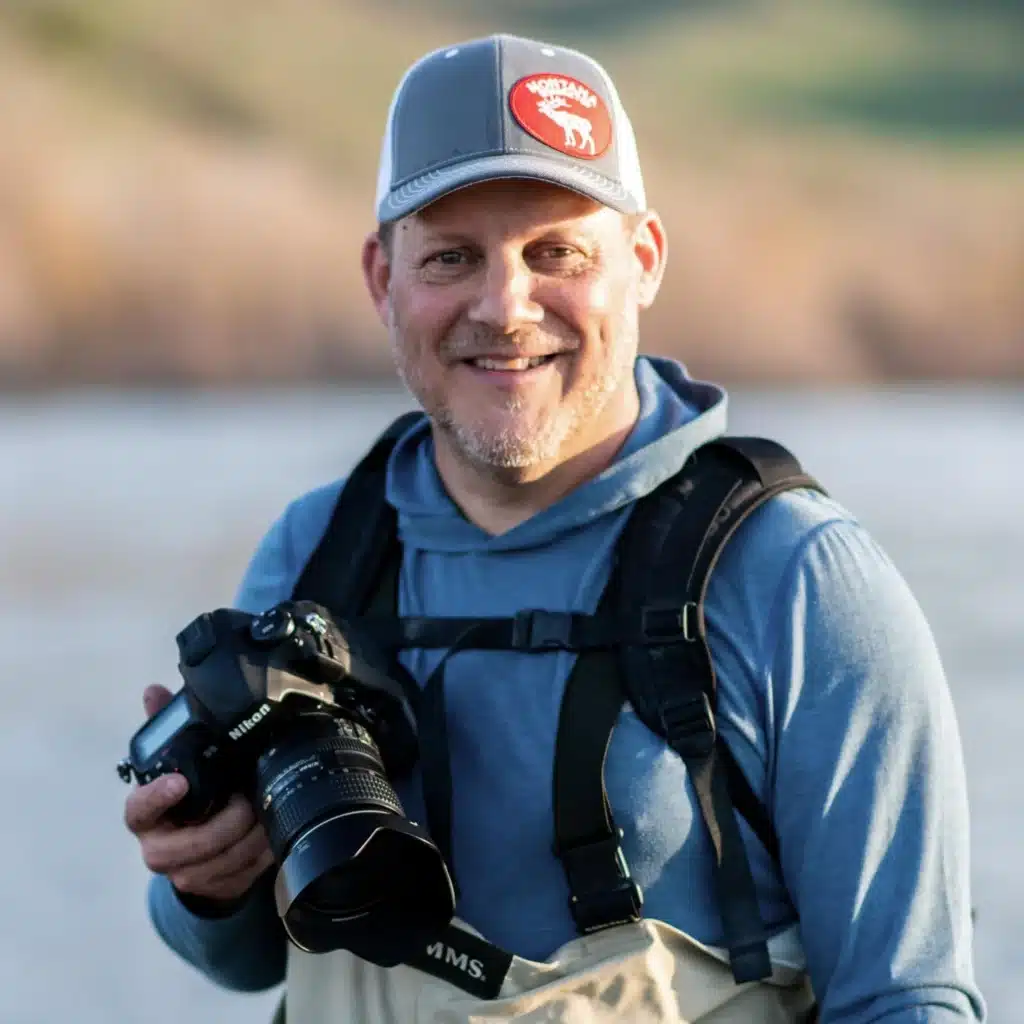
Todd Wilkinson for Yellowstonian: You’re an enrolled member of the federally recognized Confederated Tribes and Bands of Grand Ronde in Oregon, and you worked as a senior environmental scientist for the Yakama Nation. Please share some insight on how traditional knowledge and science can be synergized to create better outcomes for wildlife.
Tony Bynum: I have worked directly for over a dozen tribes, including all but the newly recognized Little Shell in Montana, and served as the Acting Indian Program Manager at the EPA in Washington, DC, under Clinton and Bush. Obviously, I’m no spring chicken. The Secretary of the Interior also appointed me to the Central Montana Resource Advisory Council during the crafting of the Monument Management Plan. I held the “Tribal seat” on the Council. Your question is a tough one. There are answers.
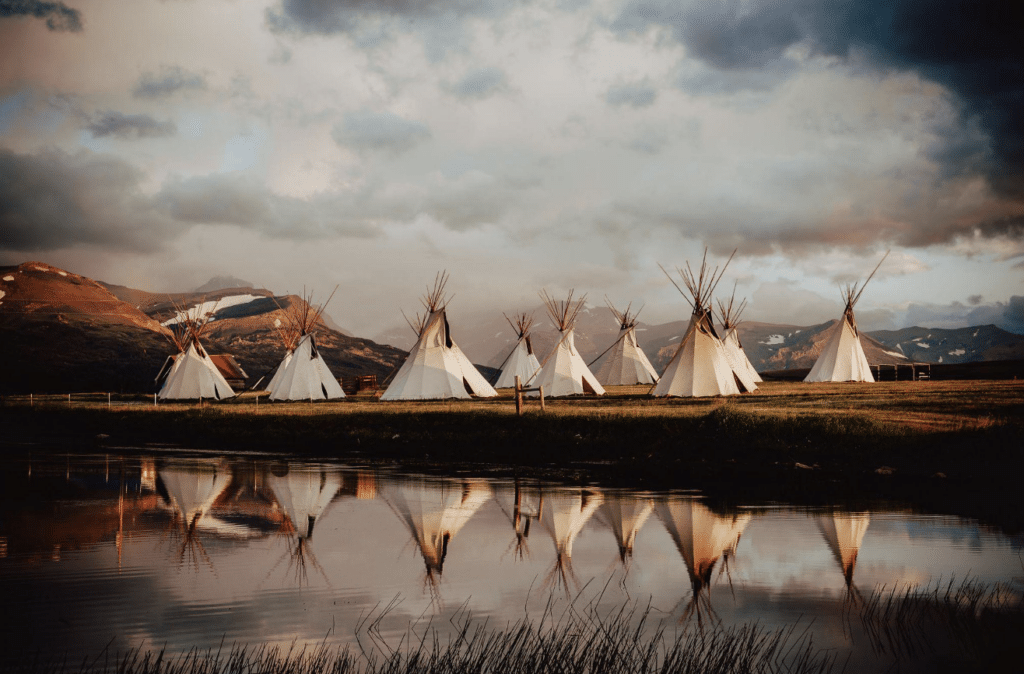
Traditional knowledge, or knowledge passed down through stories and teaching, has an ever more critical role in creating positive outcomes. You see, the mostly Western way lacks character and scope— it has no dimension, it’s linear. Our traditional ways are not linear. There is no single straight path. Lines like our streams wander, they’re not straight.
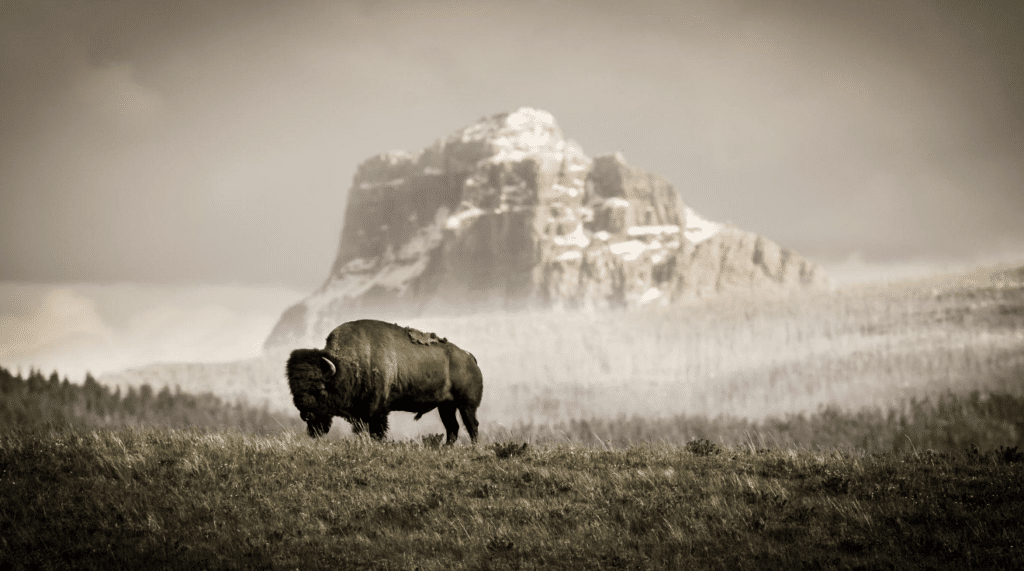
For example, Western science is based on replication and reviewing results to find a trend or a pattern, usually a straight line on a graph. Life itself is a curve, and therefore it’s kind of like putting a square peg through a round hole. We know that animals move and migrate huge distances. We have always known this. It is popular now because someone researched it and published it as a paper to claim it’s a discovery.
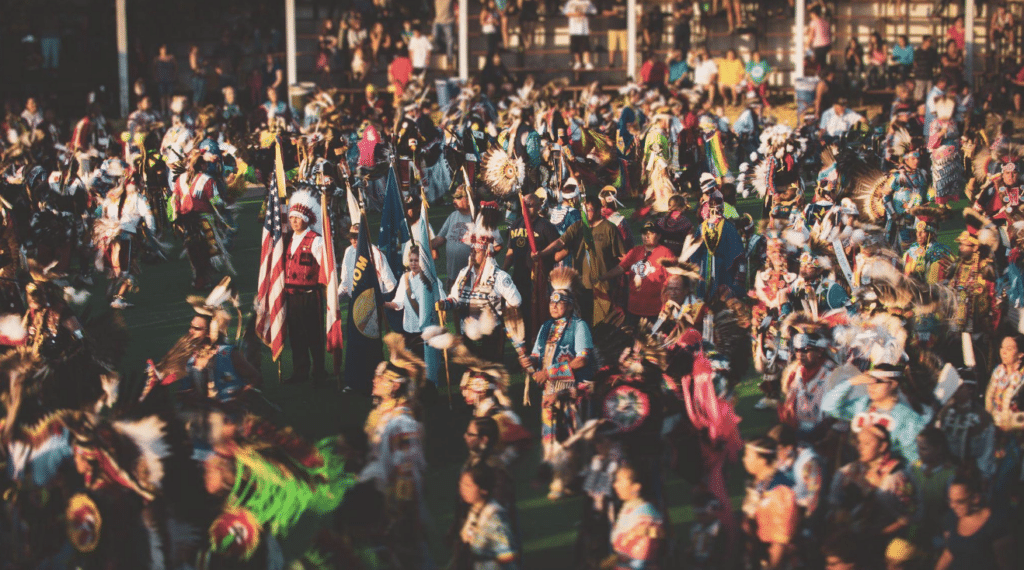
TW: You walk in two parallel world views.
Tony Bynum: I studied science in college. I hold a Master of Science Degree and so It is my belief that we must mix the hard sciences with the traditional knowledge and trust our heritage and our local knowledge to help lead decision making. In our traditional ways, we were able to live with and manage wildlife at a much finer grain than even today’s best science can describe. Literally, the power of connection, another dimension if you will, exists, and it’s real if you believe it. Imagine how much time and money could be saved if we worked closely with knowledgeable people on the ground who have witnessed change for thousands of years? What is noticeable is that some scientists learn this lesson, and it forever changes them.
Because questions guide our science, and those questions are essentially a product of either making money or losing it, we ignore important details, we overlook scale, focus on the object, and look mostly at things that Western society has placed value on, and we then let go to find the outcome we desire. We are living during a period of demise in science.
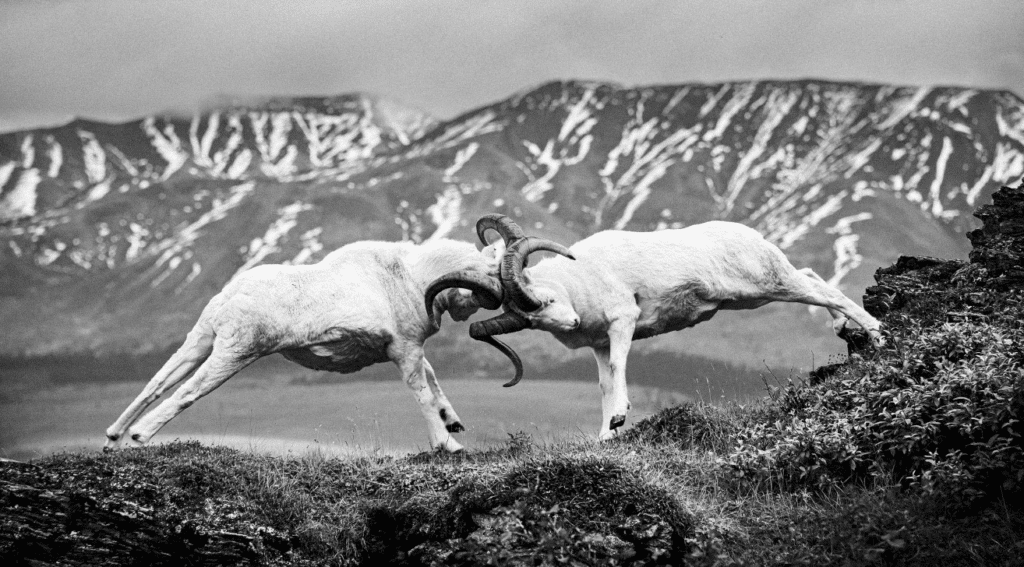
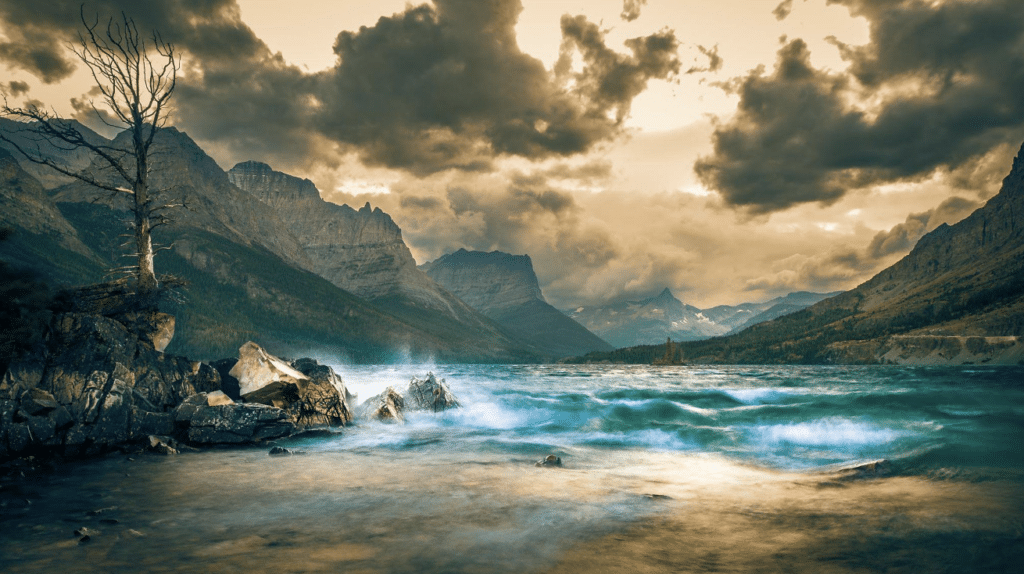
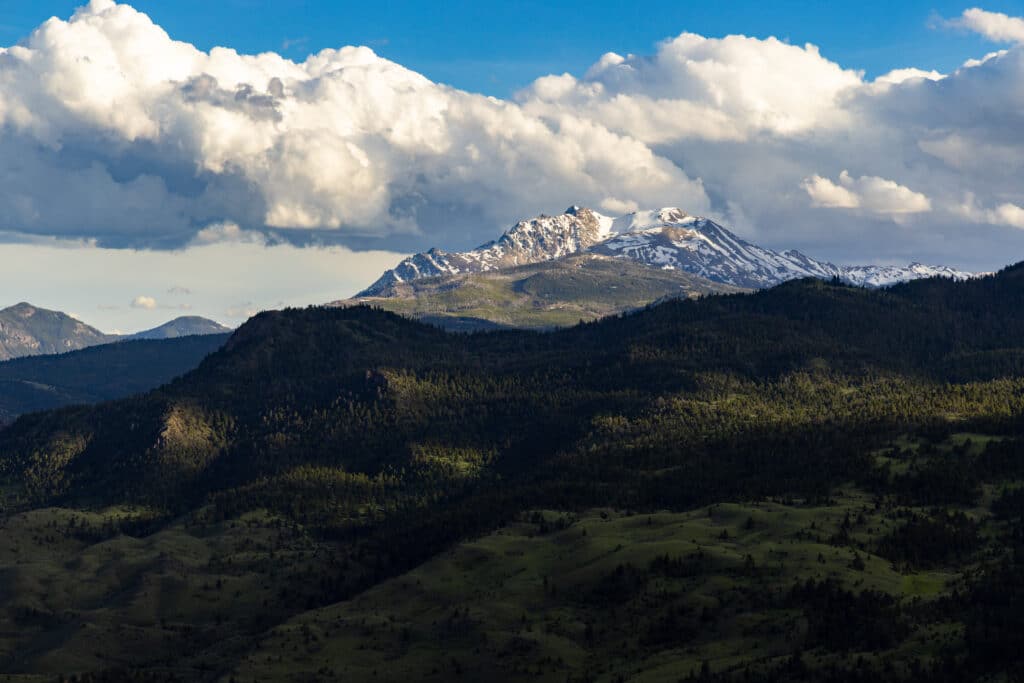
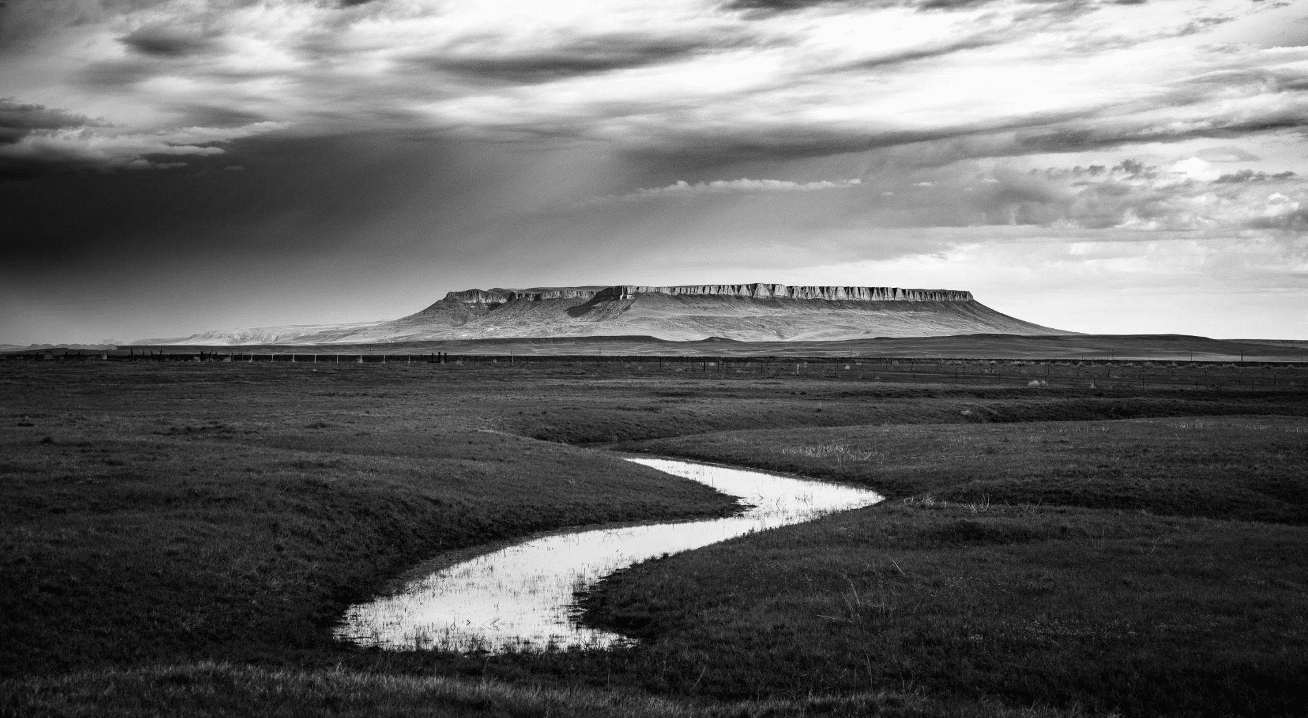
TW: As a photographer, you have a great empathetic feel for a place called Square Butte. There are several places called Square Butte in Montana, but this one has another name, Fort Mountain, and it’s been visually referenced by painters ranging from Charlie Russell to Monte Dolack and Clyde Aspevig. It’s iconic as a fixture of the northern prairie. How has your relationship with it evolved, and how does it serve as a muse?
Tony Bynum: My relationship with Square Butte has deepened since the first time I saw the ridged blocky basalt masa jetting from the prairie by itself. Square Butte represents what’s best about Montana landscapes—power and grace. Every day, now, it demands my attention. I imagine for spiritual nourishment, I see it in my dreams and frame it for art every day. It is visible from every room in my home. Today, it’s a central figure in my art and my life. I’ve started a conservation project in response to the rapid pace of change around the Butte.
TW: In boom-boom Bozeman and other corners of Greater Yellowstone, the changes brought by leapfrog sprawl are disorienting and visceral. What kind of growth-related impacts are you seeing in and around Great Falls?
Tony Bynum: I’m thankful for wind and gumbo clotted backroads. Great Falls is changing, but maybe not that fast.
I’m relatively new to Great Falls. I came to this area from the Blackfeet Reservation, East Glacier Park—the only other place I’ve lived in Montana—so my perspective and knowledge are limited. But people are coming here. People are also trying to find places to get away from the newly emerging fast-paced (fast-paced for Montana) life in Great Falls. Increasing crime, insensitive, downright obnoxious road ragers (ugh) have been encroaching on the town for a few years. Change is not new here, but for places like Great Falls, the pace is unusual, probably what it was like when it sprang from the prairie along the mighty Missouri River and her massive water-filled drops in 1884 by Paris Gibson.
People are moving from the core town area of Great Falls to the surrounding communities, but I can’t say that its pace is any faster than it has been. I think there’s been a gentle migration for a while now.
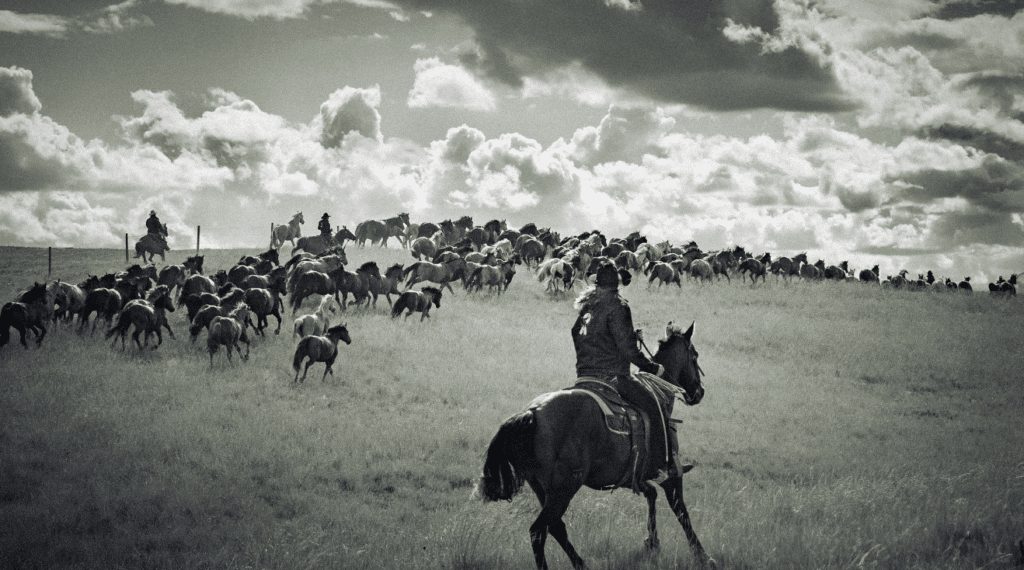
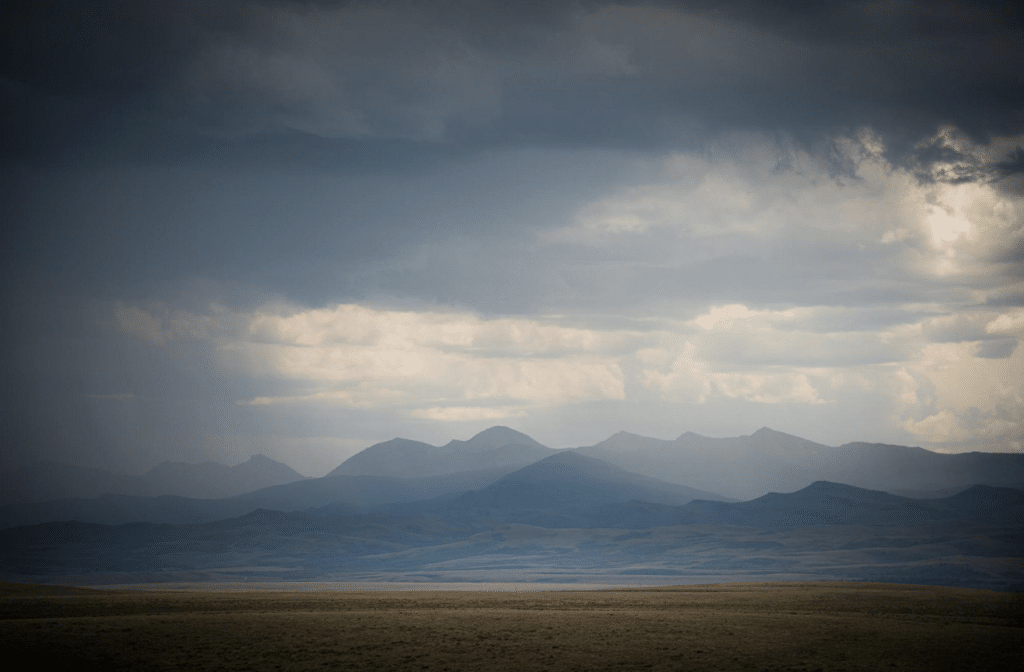
TW: In many parts of the West, making development easier to expand through access roads has been an accelerant the consequences of which often are not reflected upon.
Tony Bynum: Growth is a bit more difficult around Great Falls due to the physical geography affected by its glacial past and its downslope location to the backbone of the world, the Rocky Mountains. But this is gumbo country, and while it’s relatively flat, developing new property is costly and requires thorough planning and good information. Dirt roads won’t support year-round residency. At a minimum, one needs at least an all-weather gravel road.
When the dirt gets wet, you’re stuck. Those who purchase sight unseen or are unfamiliar with the soil around here are surprised when the wet year arrives. Right now, land is “cheap” compared to other places in Montana. There’s a reason for that. Still, people put a lot of resources into developing properties that will inundate – clay drains slowly, and when one in a dozen years is wet, people learn. This is typical of development during dry years – typical of boom and bust prairie living I believe, it’s been going on for 175 years.
TW: Let’s talk some more about that natural landform, Square Butte, that anchors some of your best high prairie photos. The luster of any icon is diminished when a scramble of homes appears at its base. People believe that by intruding upon a mountain they can possess it but in fact they only diminish its power.
Tony Bynum: The area immediately around Square Butte is rapidly being chopped and built out, or plowed. It’s classic sprawl of trailers on jacks, mobile homes, and more traditional stick-built structures. But it still looks 1980s mallish sprawly. The difference here is that one 20-acre piece might have a million-dollar home, while the one next to it could be a pre-manufactured shed turned into someone’s living quarters. We are not experiencing the multi-unit apartment cookie-cutter Soviet-style housing present around Bozeman. Sorry, Bozeman, that is what it looks like.
Finally, it would not be fair of me to ignore the wind. It will be what saves the character of Great Falls. This place is blowy and relentless. Solar radiation and gravity do not quit.
TW: You had your own Native-owned corporation and managed EPA scientific studies in Indian Country across the Lower 48 and Alaska. What’s your impression of the EPA, why is its work important, and what are the consequences of weakening its function and legal authority?
Tony Bynum: I did work for myself as a consultant and for the EPA, but I also worked for an Indian owned consulting firm where I managed EPA research in Indian Country—maybe that’s what you’re referring to.
What a great question, Todd. I have so much I could say about this, and it could go deep and into the weeds, but I’ll try to it short and to the point.
My Impression of the importance of the EPA and the consequences of weakening its function and authority is that the set of laws, administrative procedures, policies, and provisions outlined in those laws passed by Congress are what have allowed the Country to prosper. To weaken them is to undermine the fundamental support system for our economy. Clean water and clean air allows people to live. Reduce the standards for clean water and air and people die, that is absolute. The sicker we get as a result of unhealthy water and air, the more costly is becomes to operate as a nation.
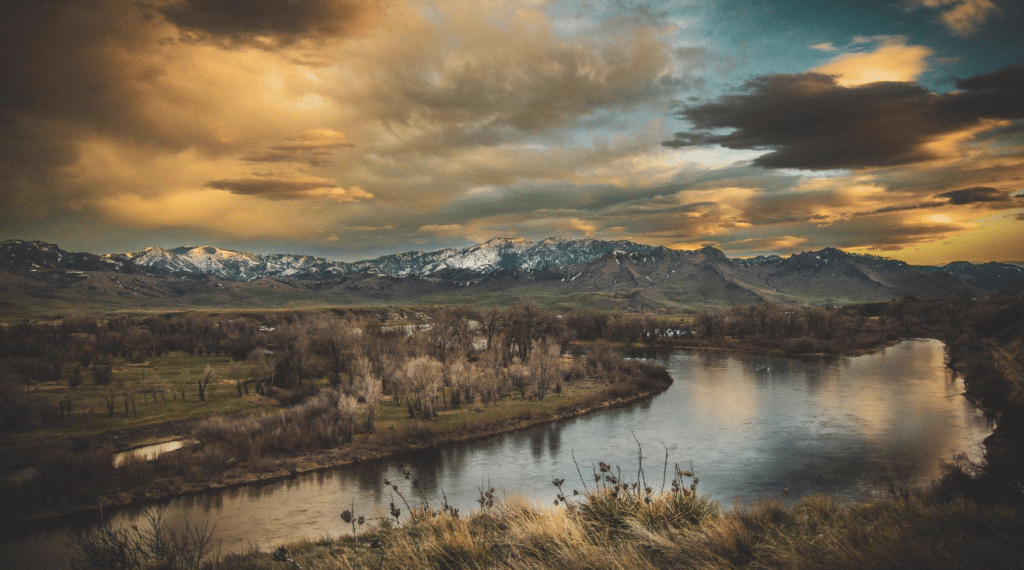
TW: I wrote a book about scientific whistleblowers and some of the protagonists were EPA scientists whom I hold in high regard. They entered the agency in its early years inspired by a public outpouring of support for environmental protection. It’s as if we are suffering from mass amnesia and those in charge don’t remember that EPA was born out of necessity.
Tony Bynum: To understand the EPA’s role you have to recognize its unique position in the government bureaucracy. It is not by accident that the EPA has an Administrator, and not a Secretary like the rest of the executive, cabinet-level departments. Congress wanted the environmental police to have autonomy, and therefore created an agency that, while commanded by a presidential appointee, is not part of the regular secretarial hierarchy; the EPA is the people’s environmental police and a bulldog against state tyranny. It is also the supreme body of ecological science for our Nation.
When I hear “back the blue,” that includes the brave men and women at the Environmental Protection Agency, some members of the Criminal Investigations Division carry guns you know.
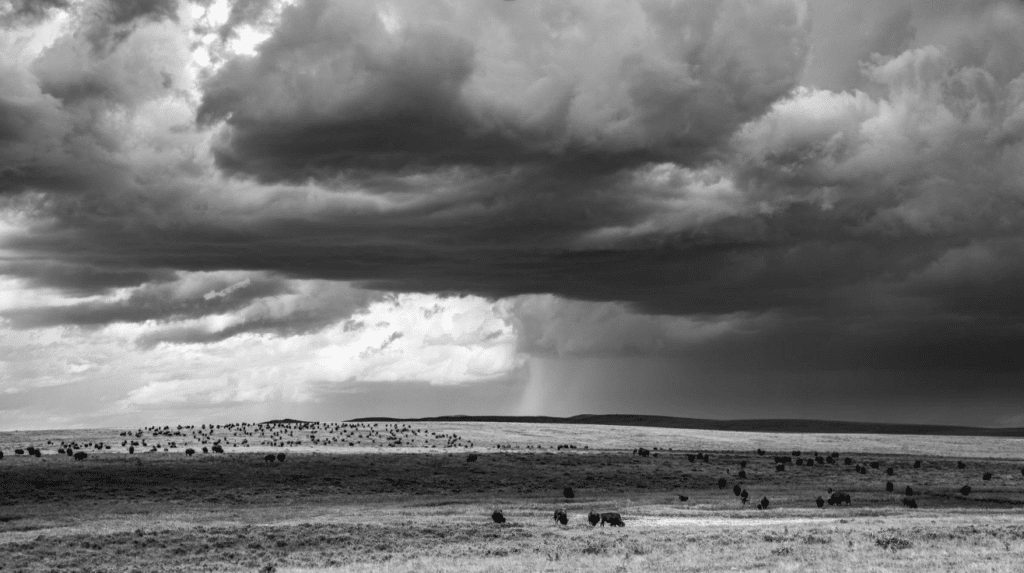
TW: It sure sounds like we’re returning to the era of vigilante outlaws led by people who are ignorant of ecology and incredibly myopic.
Tony Bynum: I have been all over the world and seen firsthand the effects of poor or no standards. The United States was, and still is, the leader of the world. The consequences of weakening the EPA and the laws it enforces could be the ruin of our relatively strong recent environmental track record and ultimately our own species. Seriously.
People wonder where our birds have gone. Ducks Unlimited recently stated that one-third of North American waterfowl is missing from the counts as late as 2017. We can’t be sure now where they went or what’s caused their declines, but we know that clean water, created by filtering through wet bogs and forests – habitat – is the key.
We are experiencing a weak period in the environmental movement. I sometimes wonder where the so-called radicals went—the ones who fought for and paid dearly in their battle for drinkable, fishable, swimmable, breathable.
TW: The EPA was born the same year a code called the Magna Carta of Environmental Protection came into being.
Tony Bynum: I believe the National Environmental Policy Act (NEPA), signed into law on January 1, 1970, the year of my birth, by President Nixon, is the most profound and essential environmental document ever written. NEPA itself does have some severe limitations for native people and our sovereignty; I won’t go into those here, but even with its shortcomings, it’s the best piece of environmental law ever written.
NEPA is a powerful tool, and the EPA is the ultimate arbiter of its primary document, the Environmental Impact Statement (EIS)—section 309 of the CAA gives review authority to the EPA. NEPA allows us to consider human health, culture, values, our economy, and lifestyles, and reflects our society’s desire to create a home where we’re safe from sickness caused by pollution and poor decision-making. Combining the rest of the suite of environmental laws, Congress authorized the EPA to enforce NEPA, making it a pretty awesome Agency and one I am proud to have served.
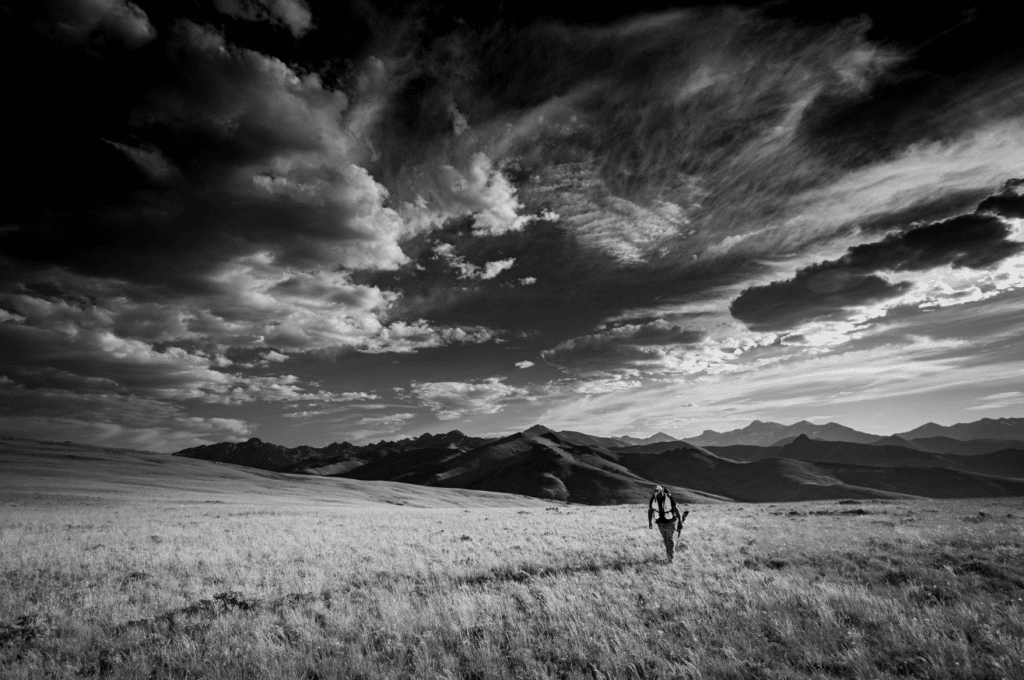
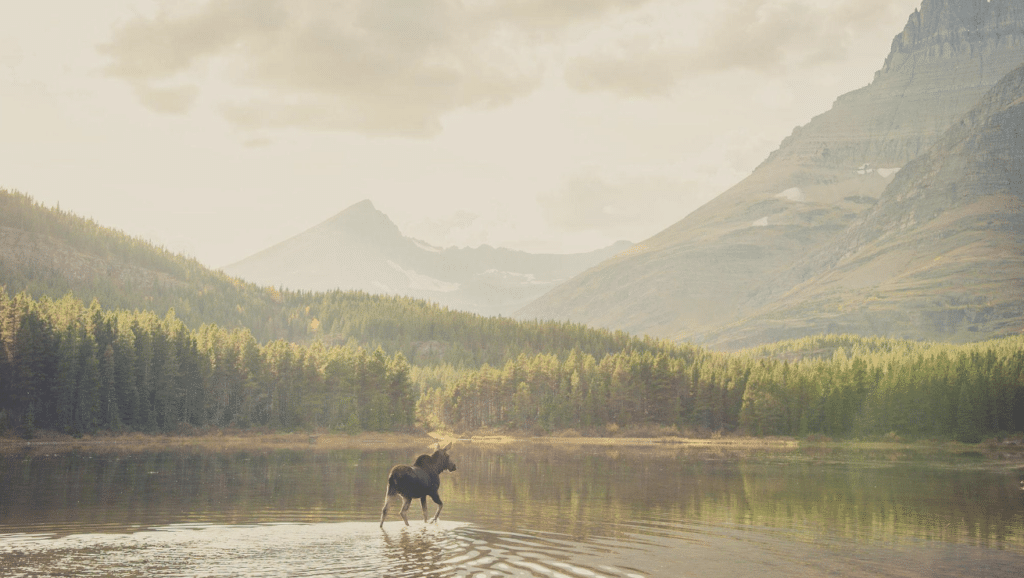
TW: As a hunter, angler and artist, you’ve been vocal in your concern about the future of public lands. Do you think the threat is subsiding?
Tony Bynum: I have always been an activist. My mother taught me that action comes from change, and sitting on the sidelines was not in the cards. The threat to the future of public lands remaining public is never on more unstable ground than it is today. The fighting is far from over. Unfortunately.
TW: One of your messages has been the importance of restoring landscapes where the native prairie has been broken up, or turned to monocultures or sometimes threatened by exotic plants like cheatgrass. What is it that newcomers and urban dwellers don’t understand about the point you are trying to make?
Tony Bynum: People generally have only scant knowledge of environmental history. In the past 50 years, it seems that people have let the “environmental movement” handle protecting the places they use regularly, so Environmental Protection is often taken for granted. As a society, we have grown lackadaisical about supporting clean air and water. In fact, the tide may have even shifted a bit toward the side of “it’s time for more pollution.”
People might be tired of doing the right thing, even though it provides them with a longer, healthier, and more prosperous life. I don’t want to get too deep into the psychology of this; these are just my conclusions. To some degree, as much of an advocate as I am, I sometimes fall victim to paralysis; that’s why I always try to keep moving, learning, and questioning, even those things I thought were cornerstones of my environmental ethos. I’m inquisitive and always looking for answers and working toward solutions.
TW: Your medium is photography and videography, and you’ve worked with production companies working on high-profile documentaries. What, for you, is the essence of good storytelling?
Tony Bynum: Good stories have great, authentic characters telling their own stories, from their own space, at their own pace. I think it’s important to show both the broader perspective and the narrow details of a story. The lights, angles, lenses, effects, all the tech stuff, and all that make a film more watchable still need a solid story based on real people doing real things. The best stories are those closest to the subjects’ passions and hearts.
TW: I can’t let this interview end without asking about your bad-boy period in grade school, when you were suspended for taking photographs. Was that the result of educators not understanding the creative soul you’ve become fully fledged in adulthood or a free spirit who refused to adhere to the status quo?
Tony Bynum: It was middle school, 7th or 8th grade, and possibly the beginning of my exploration into finding out who I was. I was stunned that taking innocent photos of my friends, fully clothed and leaving the locker room, was problematic. What I learned from that experience did two things. 1. It wrecked my interest in photography, 2. It taught me the power of the camera. I really did not re-engage with it until college. Photography is really an expression of oneself. It’s a tool that renders light into an image, and I use it to figure out what life’s about.
TW: We’re glad you re-engaged in photography and keeping our eyes open to an extraordinary corner of the West. Thanks for your time. Again, we hope readers will check out your work.