EDITOR’S NOTE: Earlier this month, Dr. Christopher Servheen was inducted into the Montana Outdoor Hall of Fame. While some trends in the Northern Rockies raise questions about habitat security for grizzly bears going forward, there is good news for bears, Servheen says, out on the prairie which was historically native ground for the species. He believes co-existence is possible but it will require elevating human awareness.
by Chris Servheen
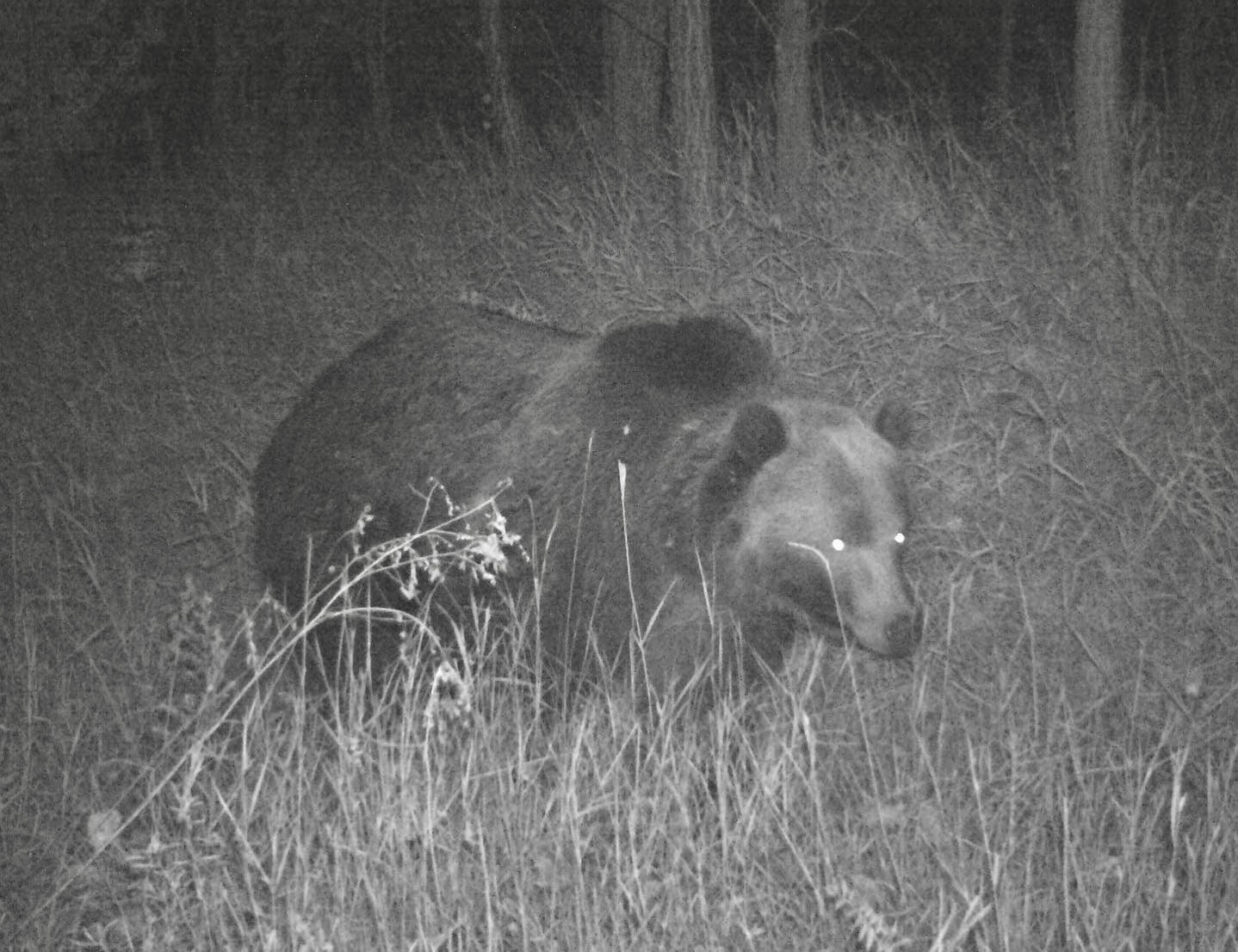
Something extraordinary is slowly unfolding across central Montana, and most Montanans have heard only fragments of the story. Grizzly bears are quietly walking east onto the prairie. Some female grizzlies have now denned and had cubs on the open prairie grassland miles from any trees.
Ttlast remnant Montana prairie grizzlies disappeared by 1885 because we killed them all. They are now slowly traveling eastward more than a hundred miles along rivers and creek bottoms and sometimes, usually at night, they explore grain fields, pastures, and open prairie. And the bears are gradually doing so while causing almost no problems. The grizzly bears that are gradually appearing today in parts of central Montana along the Missouri River are not expanding into new territory. They are returning home.
Bears are doing this entirely on their own. They are not being relocated or reintroduced. Bears are following natural dispersal routes back into the country where their ancestors lived for thousands of years. The people who deserve credit are the central Montana landowners who maintain open space, the communities who take pride living in the last best place, and the wildlife professionals who respond if needed.
Some people think that grizzlies are strictly mountain animals. When Lewis and Clark traveled through the Missouri River Breaks, they encountered many grizzly bears along river bottoms and coulees and sometimes out on the open prairie. This underscores thousands of years of Indigenous cultural experience.
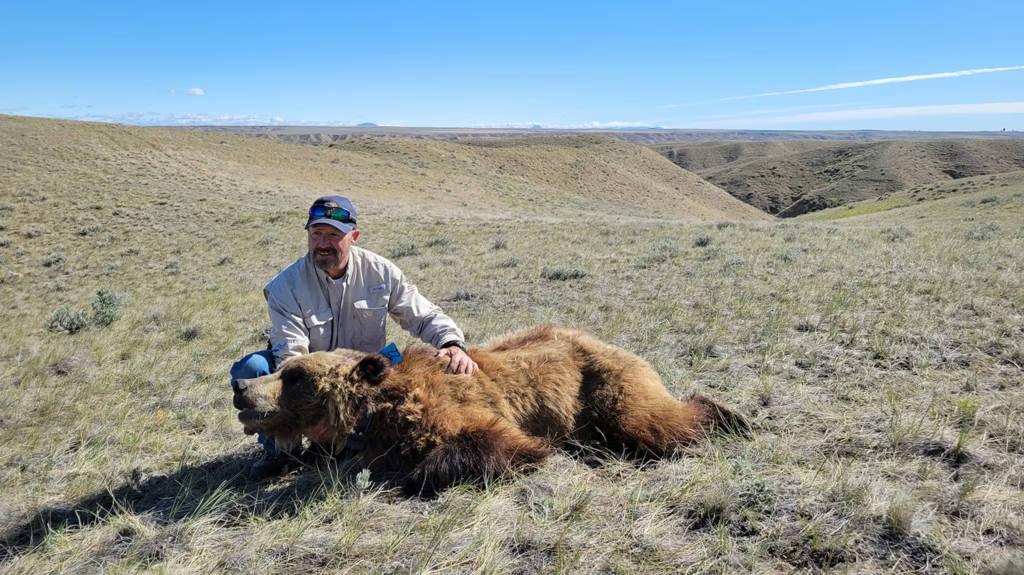
Most Montanans support grizzly bears. Survey data collected by Montana Fish, Wildlife & Parks and the University of Montana show public support for grizzly bears across Montana, including in central and eastern Montana. This broad support contradicts the idea that rural communities are uniformly opposed to the presence of grizzlies.
Of course, the question on many people’s minds is whether grizzlies and ranching can coexist. Western Montana already provides the answer. Few grizzly bears kill livestock. For many years, Montana ranchers and wildlife managers have successfully used practical tools—carcass pickup programs, electric fences and mats, range riders, attractant management, and conflict response teams—to keep people, bears, and livestock safe.
Many producers in western Montana like the Rocky Mountain Front operate successfully where grizzlies are a daily part of their working landscape. There are ongoing programs to assist livestock producers to avoid conflicts with grizzlies, respond rapidly to any conflicts and provide reimbursement for any losses if conflicts do occur. Coexistence is already happening. Montana has more expertise and familiarity with grizzly coexistence tools than almost anywhere else in the world.
A naturally established population of grizzlies on the prairies and rivers of central Montana is gradually happening. Will people continue to accept these bears? Grizzlies are slowly walking east from the Rocky Mountain Front across farm and ranch country toward their ancestral home, largely without conflict or fanfare, sustained by public acceptance. This is the real Montana, rooted in our history, our culture, and our Montana way of life.
Also Read: