EDITOR’S NOTE: The North American Model of Wildlife Conservation, and the Public Trust Doctrine as articulated by the Wildlife Society (the pre-eminent wildlife management organization in the US) proscribes that professional wildlife management and public policy enacted in support of it, should be guided by the best available science. Paul Fielder is a state legislator from northwest Montana who together with his wife, Jennifer Fielder, have been associated with groups and individuals advocating for the sale or transfer of federal public lands. Mrs. Fielder is today both an elected Public Service Commissioner in Montanaand Acting CEO of the the American Lands Council. Read about its push to divest federal public lands. Mr. Fielder, who holds a masters in wildlife management and is counted among the “team members” of the Montana Trappers Association, has has been at the forefront of several bills characterized as hostile to wolves and grizzly bears. He recently published the guest op-ed below in the Flathead Beacon and other newspapers. It elicited a response from a list of 37 professional wildlife scientists that continues to grow, many of whom have won national awards for their contributions to wildlife conservation. Collectively, they have centuries of experience managing game animals and imperiled species at the local, state, federal and individual level. Who possesses more credibility in determining the fate and challenges to public wildlife? You decide. After you’ve read both pieces, please send us your comments at this link, and we may publish them. Please be civil, respectful and keep your responses on point to the issues being raised below.
Congressman Ryan Zinke Is Right
About Grizzlies And The Wolverines
By Paul Fielder
Congressman Ryan Zinke is right; both the grizzly bear and the wolverine should not be listed under the Endangered Species Act.
As a retired wildlife biologist and Montana state representative, I know these species have healthy, stable populations within their biological ranges that can be effectively managed by the states. Zinke’s leadership on these delisting efforts is a win for wildlife, sportsmen and the rural communities who live alongside them that depend on effective natural resource management.
The Endangered Species Act of 1973 was enacted to keep species from going extinct. Extinction is the key word driving the endangered and threatened species listings. Is the wolverine or grizzly bear in danger of extinction within their biological ranges? No, they are not.
The same is true for the lynx, grey wolves and many other species. Too often, agencies carve up a plant or animal’s biological distribution range into “distinct population segments,” “recovery zones,” or some other sub-group to justify a listing. The ESA refers to the Endangered Species Act, not the Endangered Distinct Population Segment Act.
Wildlife doesn’t recognize political borders, yet the Endangered Species Act often treats them as if they were biological barriers. Species like wolverines, grizzly bears, lynx, marbled murrelets, jaguars, and the Mexican wolf cross those borders every day. By removing the non-biological use of international borders and arbitrary dividing lines from the Endangered Species Act, Congress can ensure consistent, science-based management across species’ full natural distribution ranges that exist on both sides of the United States borders.
I continue to back the science and Zinke to delist the wolverine and the grizzly bear. I also look forward to working with Zinke on this broader reform so we can protect wildlife where it matters most, keep wildlife management and the Endangered Species Act science-driven by considering the biological distribution of species that extend across US borders, and thus provide states and rural communities with clear, predictable rules for their natural resources management.
—Rep. Paul C. Fielder is chair of the Environmental Quality Council, Interim Committee, National Assembly of Sportsmen’s Caucus advisory council.
Zinke and Fielder Are Wrong About Grizzlies And Wolverines
A Response From Three Dozen Career Wildlife Scientists
We are 37 Montana professional wildlife biologists with more than 1,209 years of experience managing wildlife and wildlife habitat. Paul Fielder, a retired Washington state wildlife biologist, in his opinion piece on in the Flathead Beacon on August 19 states that Congressman Zinke is right with his Congressional prohibition on listing wolverines and delisting grizzly bears in the Yellowstone, Northern Continental Divide and Bitterroot ecosystems.
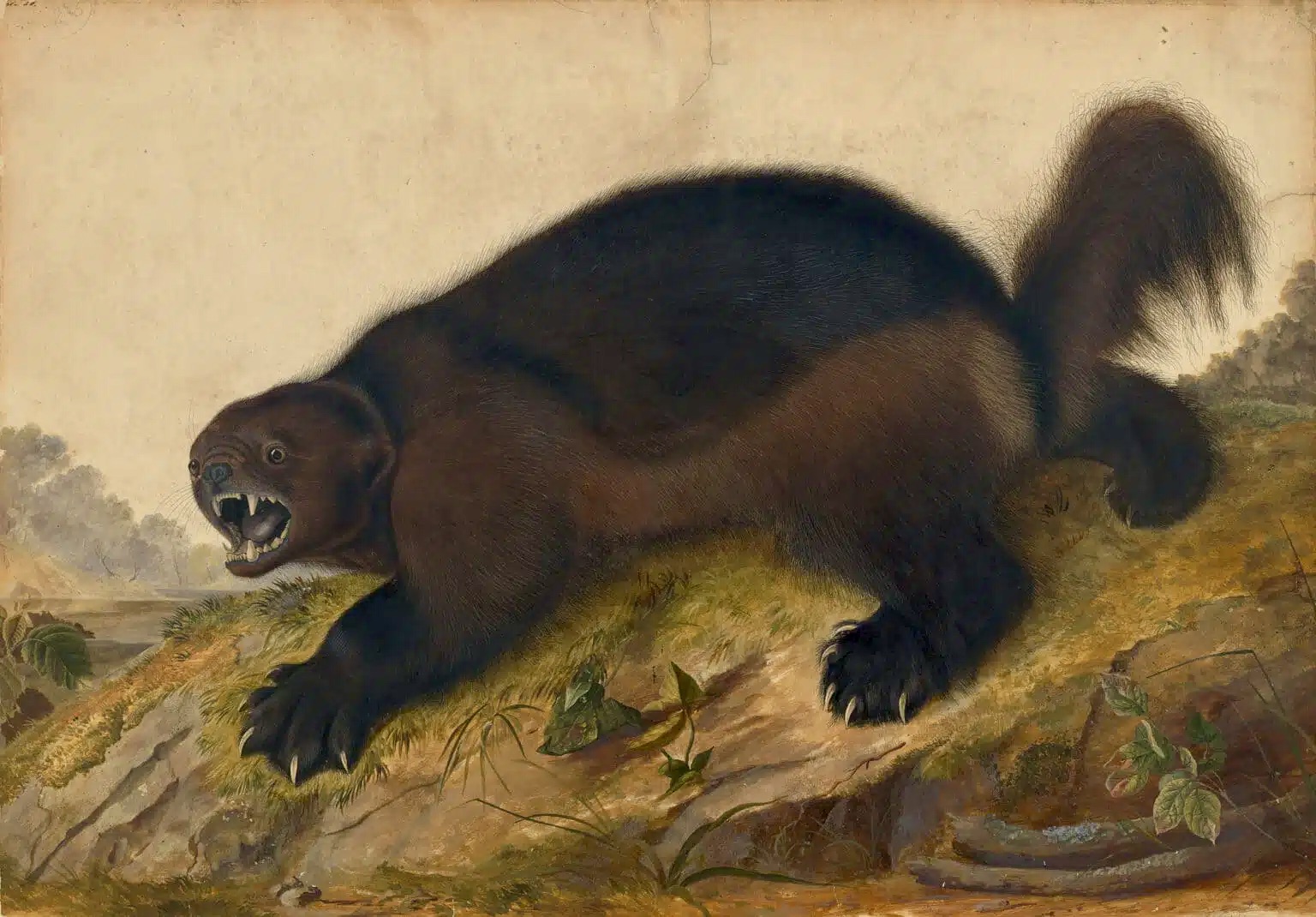
Mr. Fielder states that wolverine and grizzly populations have “healthy, stable populations within their biological ranges that can be effectively managed by the states.” Mr. Fielder is incorrect. The fact is that the total number of wolverines south of Canada number approximately 300 animals, although there is so little information on wolverines that this number is just an estimate.
The Fish and Wildlife Service in their 2023 wolverine species status assessment states: “Uncertainty over the wolverine’s future condition in the contiguous U.S. is relatively high. Key questions remain around gene flow between the U.S. and Canada, core habitats and key dispersal corridors among core areas of the contiguous U.S., and the effective population size in the contiguous U.S. Nevertheless, the best available information suggests that habitat loss as a result of climate change and other stressors are likely to impact the viability of wolverines in the contiguous U.S. through the remainder of this century.”
That hardly sounds like a healthy, stable population. As for the impacts of climate change on wolverines, we have a state administration and the Trump administration both of which actively deny that climate change is occurring, and in fact are accelerating climate change impacts by their energy policies.
As a legislator, Mr. Fielder has been the primary source of Montana legislation to increase baited wolf trapping and neck snaring in Montana. Such baited traps and neck snares are a grave risk to wolverines. Montana Fish Wildlife and Parks says there are approximately 300 “active” wolf trappers in western Montana. If each active wolf trapper maintains between 10 and 20 wolf neck snares and leg-hold traps as permitted by state law, then there are between 3,000 and 6,000 baited wolf neck snares and leg hold traps distributed across wolverine habitat in western Montana every winter, and thousands more in Idaho. Under state management, there are no limitations on the use of any baited traps or neck snares within the range of wolverines. This is the reality of state management of wolverines.
Montana Fish Wildlife and Parks says there are approximately 300 “active” wolf trappers in western Montana. If each active wolf trapper maintains between 10 and 20 wolf neck snares and leg-hold traps as permitted by state law, then there are between 3,000 and 6,000 baited wolf neck snares and leg hold traps distributed across wolverine habitat in western Montana every winter, and thousands more in Idaho. Under state management, there are no limitations on the use of any baited traps or neck snares within the range of wolverines. This is the reality of state management of wolverines.
As for grizzly bears, the reason we have healthy grizzly populations in Montana is because of the listing of grizzlies under the Endangered Species Act. If grizzly bears had not been listed under the ESA in 1975, we would have very few grizzly bears today in the Northern Rockies. While grizzly numbers are doing well in the Yellowstone and Northern Continental Divide Ecosystems, there are significant gaps in the regulation of grizzly mortality and habitat management, especially in the areas between the ecosystems.
The long-term future for grizzlies will be dependent on their ability to successfully move between all the ecosystems in the Northern Rockies so that they have genetic, demographic and climate change resiliency. Mr. Zinke wants to Congressionally delist them by ecosystem, and he thus ignores the importance of landscape connectivity to long-term grizzly survival.
Mr. Zinke also wants to delist the grizzly bear in the Bitterroot ecosystem, where there is no grizzly population. This is creative of Mr. Zinke but incorrect. A grizzly bear ecosystem without grizzly bears cannot be declared recovered and delisted no matter what Congress says.
List of scientists signing onto the letter, above:
Chris Servheen, Ph.D. 35 years US Fish and Wildlife Service as Grizzly Bear Recovery Coordinator (retired). Missoula, MT.
Richard Mace, Ph.D. 31 years Montana Fish, Wildlife and Parks as Research Biologist(grizzly and black bears) (retired). Primarily responsible for grizzly bear population ecologyresearch in the Northern Continental Divide Ecosystem. Kalispell, MT.
Diane Boyd, Ph.D. 23 years: 8 years Montana Fish, Wildlife and Parks as wolf and upland bird biologist (retired), 15 years University of Montana as large carnivore researcher (retired). Kalispell, MT.
Kate Kendall, M.S. 36 years National Park Service and US Geological Survey as research ecologist (retired). Columbia Falls, MT.
Mike Phillips, M.S. 35 years: US Fish and Wildlife Service Red Wolf Restoration Leader (retired); National Park Service Grey Wolf Restoration Leader (retired); Turner Endangered Species Fund Executive Director; Montana State Legislator 2006-2020. Bozeman, MT.
Douglas H. Chadwick, M.S. 43 years: author of The Wolverine Way; 3 years wildlife technician with NPS, 40 years independent wildlife biologist collaborating with various university and agency researchers. Whitefish, MT.
Jim Vashro, M.S. 39 years. Montana Fish, Wildlife, and Parks as Fisheries Biologist (retired). Kalispell, MT.
Tim Thier, M.S. 32 years: 27 years Montana Fish, Wildlife and Parks as Wildlife Biologist (retired); 5 years US Fish and Wildlife Service as Wildlife Biologist (retired). Trego, MT.
Don Peters, M.S. 25 years Montana Fish, Wildlife, and Parks as Fisheries Biologist (retired). Missoula, MT.
Dale Becker, M.S. 39 years: 7 years as a private wildlife consultant; 32 years Confederated Salish and Kootenai Tribes as Tribal Wildlife Program Manager. Polson, MT.
Greg Munther, M.S. 32 years US Forest Service as Biologist and District Ranger (retired). Missoula, MT.
Joe Fontaine B.S. 28 years: 6 years U.S. Bureau of Reclamation Wildlife Biologist,18 years U.S. Fish and Wildlife Service as Deputy Wolf Recovery Coordinator (retired), 4 years as Deputy Project Leader National Wildlife Refuge Complex (retired). Helena, MT.
Kerry R. Foresman, Ph.D. author of The Mammals of Montana; 37 years University of Montana as Professor of Biology and Wildlife Biology (retired). Missoula MT.
Bruce Sterling, M.S. 38 years Montana Fish, Wildlife, and Parks as Management Biologist (retired). Thompson Falls, MT.
Sterling Miller, Ph.D. 21 years Alaska Fish and Game as Wildlife Management Biologist (retired). Affiliate Professor, University of Montana. Lolo, MT.
Tom Puchlerz, M.S. 38 years US Forest Service as Wildlife Biologist, District Ranger, and Forest Supervisor (retired). Stevensville, MT.
Tim Manley, B.S. 37 years Montana Fish, Wildlife and Parks in grizzly bear research and as Grizzly Bear Management Biologist (retired). Bigfork, MT.
Dan Vermillion, B.S. 13 years as Commissioner on the Montana Fish and Wildlife Commission. Noted fishing guide. Livingston, MT.
Glenn Elison, M.S. 25 years: U.S. Fish and Wildlife Service as Assistant Regional Director for Refuges and Wildlife (retired). Lewistown, MT.
Harvey Nyberg, M.S. 26 years Montana Fish, Wildlife and Parks, last position as Regional Supervisor (retired). Lewistown, MT.
Gary Wolfe, Ph.D. 42 years: 4 years as a Commissioner on the Montana Fish and Wildlife Commission, 12 years Vermejo Park Ranch Wildlife Biologist/Manager and big game Hunting Outfitter and Guide; 15 years Rocky Mountain Elk Foundation, Wildlife Biologist/Field Director, Director of Field Operations, Chief Operating Officer, President & CEO (retired); 11 years Vital Ground Foundation, Wildlife Biologist/Executive Director (retired). Missoula, MT.
Edward Bangs, MS. 36 years US Fish and Wildlife Service as Wildlife Biologist on Kenai NWR and Northern Rocky Mountain Wolf Recovery Coordinator (retired). Helena, MT.
Dan Carney, M.S. 31 years Blackfeet Tribe as Senior Wildlife Biologist (retired). East Glacier, MT.
Kristi DuBois, M.S. 34 years: 28 years Montana Fish, Wildlife and Parks as a wildlife biologist (both game and nongame) (retired); and 6 years US Fish and Wildlife Service as a wildlife biologist (retired). Missoula, MT.
Bob Henderson, M.S. 30 years Montana Fish, Wildlife, and Parks as Management Biologist (retired). Missoula, MT.
Gayle Joslin, M.S. 32 years Montana Fish, Wildlife, and Parks as Wildlife Management Biologist and Research Biologist (retired). Helena, MT.
Larry Peterman, 36 years Montana Fish, Wildlife, and Parks as Fisheries Biologist (retired). Helena, MT.
Patrick Byorth, M.S. 17 years Montana Fish, Wildlife, and Parks as Fisheries Biologist (retired) and former Montana Fish and Wildlife Commission, Bozeman, MT.
Mike Jimenez, M.S. 20 years US Fish and Wildlife Service as Grey Wolf Research and Management Biologist (retired). Big Arm, MT.
Jack Stanford, Ph.D. 36 years Flathead Lake Biological Station as Director (retired). Bigfork, MT.
Lee H. Metzgar, Ph.D. 29 years University of Montana as Professor of Biology (retired). 13 years as independent wildlife consultant. Missoula MT.
Chris Smith, M.S. 27 years with Montana Fish, Wildlife, and Parks (retired). Helena, MT.
Heidi B. Youmans, M.S. 27 years Montana Fish, Wildlife, and Parks as Area Management Biologist, Upland Game Bureau Chief, Non-Game Bureau Chief (retired). Helena, MT.
Jay Gore, M.S. 30 years: 10 years US Forest Service as Wildlife Biologist (retired); 13 years US Fish and Wildlife Service as Wildlife Biologist (retired); 7 years Corps of Engineers as Wildlife Biologist (retired). Missoula MT.
Gary Olsen, M.S. 34 years Montana Fish, Wildlife and Parks as Area Biologist (retired), Conrad, MT.
Steve Gniadek, M.S. 29 years National Park Service biologist (retired). East Glacier, MT.
Skip Kowalski, M.S. 38 years U.S. Forest Service as Wildlife Biologist (retired). Stevensville, MT.
ALSO READ: