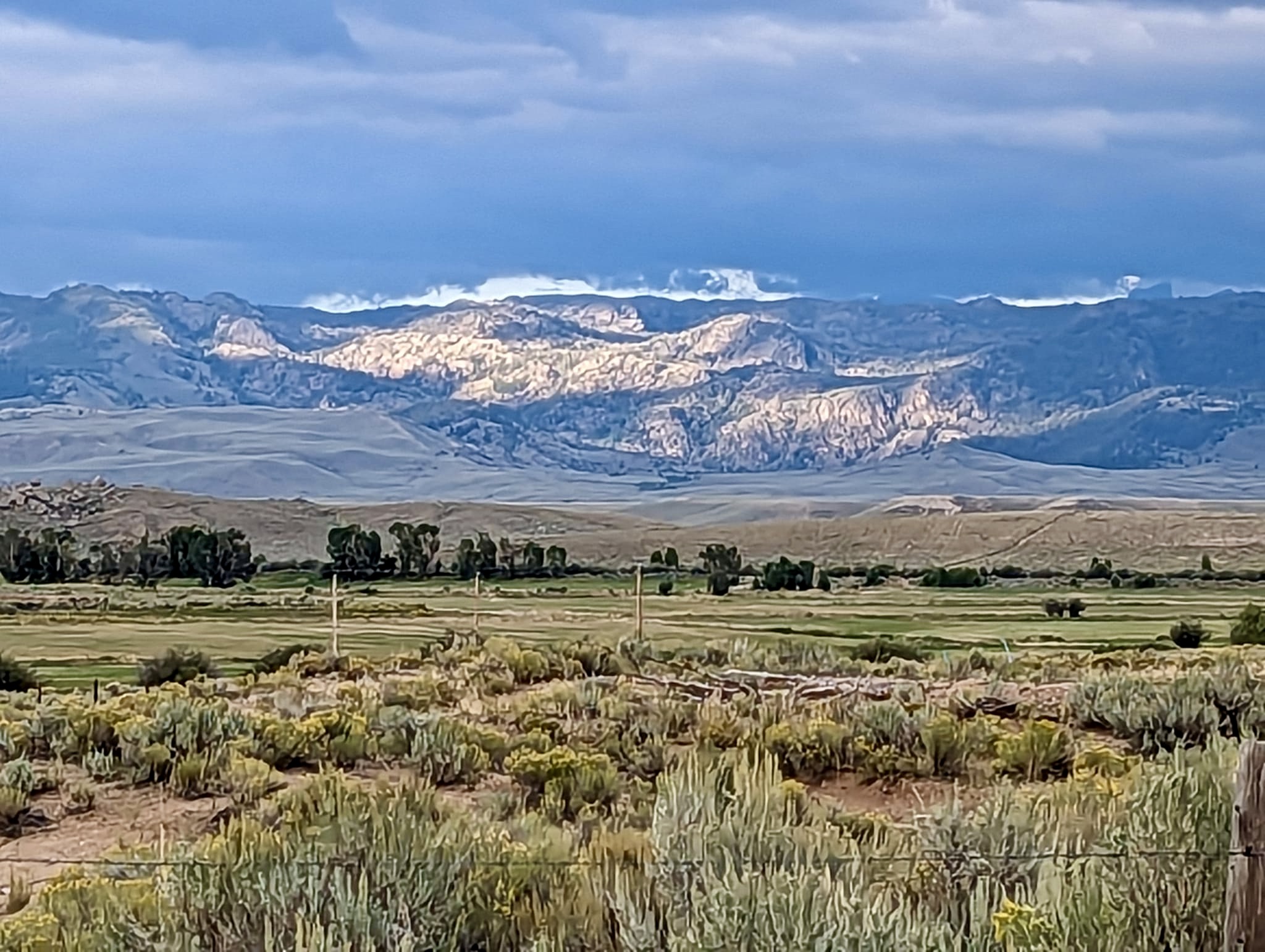
EDITOR’S NOTE: Sublette County, Wyoming is found west of the Wind River mountain range in the southern half of the Greater Yellowstone Ecosystem. With much of the county encompassing the Upper Green River Basin, Sublette, from a wildlife perspective, plays a vitally important role in the health of epic pronghorn and mule deer migrations as well as providing crucial habitat for Greater Sage-Grouse and winter range for large numbers of elk. But in recent decades public and private lands have experienced serious impacts from full field natural gas development and rural sprawl. One local citizens seriously concerned about the level of landscape fragmentation is Dan Stroud. He has lived in Wyoming his entire life and has a lengthy tenure in professional wildlife management. He started his career with the US Bureau of Land Management as a wildlife technician and then spent 32 years as a habitat biologist for the Wyoming Game and Fish Department. We are publishing the short perspective, below, that Stroud wrote in response to growing development pressure happening in that important part of Greater Yellowstone and recent formation of a new local group called “Sublette Citizens for Progress” whose agenda is unclear.
By Dan Stroud
I recently received a postcard from a small group of folks who call themselves Sublette Citizens for Progress. This postcard got me thinking about my years of involvement in planning for conservation and wildlife. Planning is essentially preparing for our future. It involves identifying a vision and understanding what the community values. It requires considering various outcomes and perspectives.
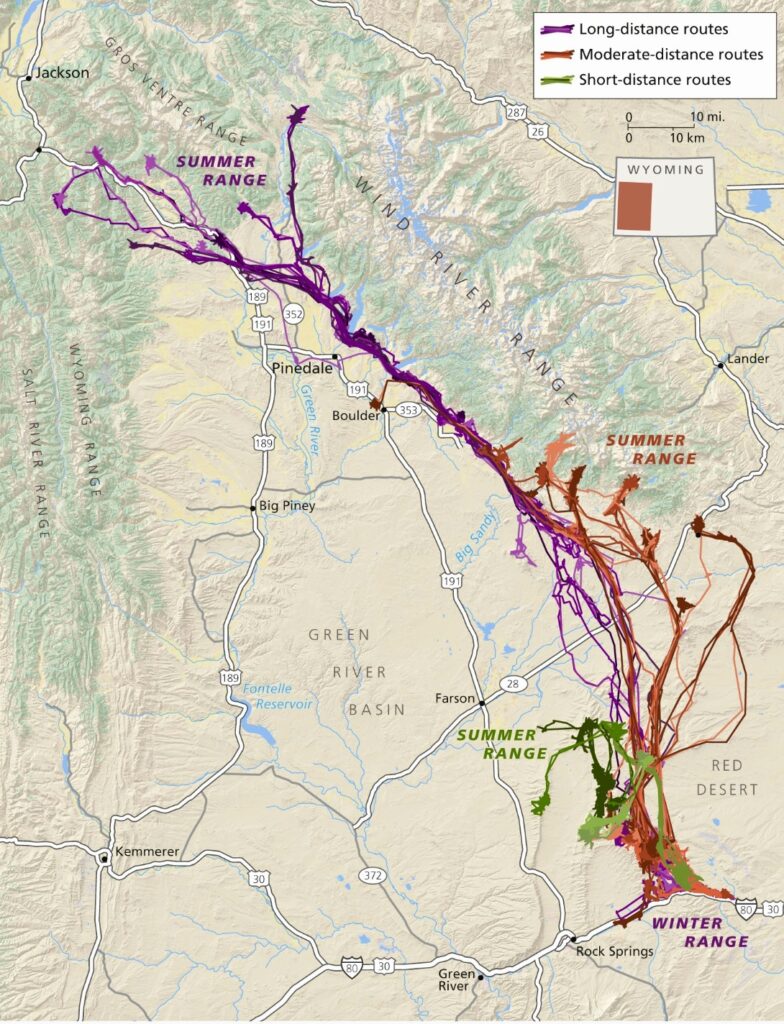
Having lived here for many years I know that change is inevitable. The key is to manage the pace of change and ensure it benefits most residents. For example, from a wildlife migration perspective, we now have the information we need to maintain these vital corridors to maintain those populations.
As this postcard I received points out, one small group shouldn’t really decide how the county progresses in the future. We do, however, have many other instances to draw from. One is nearby, and that is Teton County where explosive growth has changed the entire small-town focus. At one time, the residents of Jackson knew each other and smiled as they passed by. We can learn from many other efforts to identify our values and goals and put them into a vision for our county.
Two other small groups that have also been working to change our county planning are the folks in Hoback Ranches, a residential subdivision, and citizens in Bondurant. I supported their focus on wildlife because of my natural resource background and wildlife training. So, maybe that’s not a value for everyone who lives here but this is where you get to decide. I can’t and won’t tell you what to think. I can only offer what is best for the natural resources we have the luxury to experience.
The goal, in my opinion, for planning is to attempt to balance the needs and desires of those who currently live here. It takes more than just a few residents to provide for that balance. It takes the voices of many and then collaborations via our county commissioners to aid in the decisions. The only way I can think of, to do this, is a county-wide survey designed to get at that information. There’s not any one small group that will represent everyone’s interests.
I hope the groups that I have mentioned would support a county-wide survey. That way none of the planning is done in a vacuum and represents the constituents who own property here. While I believe in private property rights, it is crucial to consider how these rights impact others and the environment. Wildlife, which belongs to the state residents, is affected by most decisions. How we interpret these rights is a key factor in our planning process. Together, we can create a plan that benefits everyone, not just a few groups.
Ultimately, it is up to you. A county wide survey could pave the way for a shared vision for our future.