By Thomas D. Mangelsen
Summer marks a time of acceleration in Nature when the earliest days of the season are longest and the sunshine leaves us all invigorated. It is vacation time for humans, but not for wildlife who are never on vacation, except perhaps for the little ones born this year and who enjoy the abbreviated equivalent of childhoods, playing and learning from their attentive mothers who are preparing them to face the real world.
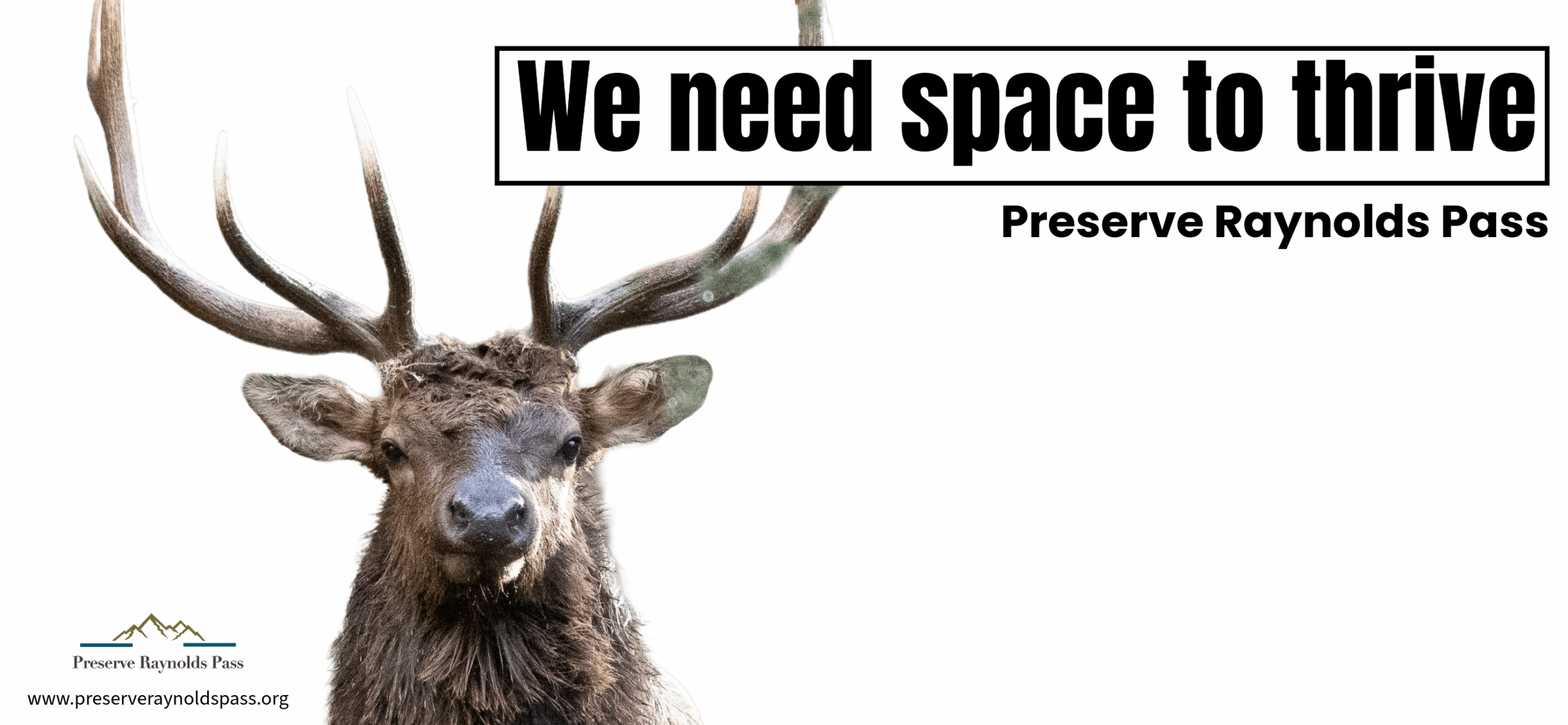
It is our human nature to ogle and awe at babies who are so cute, like the puppies and kittens we bring home to be our companions. But in order for wild creatures to persist we need to give them space. As wildlife photographers, whether this is our career or we’re taking pictures with cell phones, we must be responsible observers. This includes recognizing the ominous dangers of our public lands themselves.

Three consequential phenomena are now converging along the roadsides of Greater Yellowstone—human kids, accompanied by their parents and grandparents, are being exposed for the first time to truly wild creatures. The young animals they’re seeing are moving freely through their homelands, unlike the captive cousins of these species they may have encountered at zoos. The caliber of wildness we have in the American West is so rare and precious to experience.
Visits to public lands can be teaching moments, to remind next generations just how important secure habitat is for wildlife. Most importantly, it is an opportunity to tell them these lands in the public domain belong to them and it is our moral and ethical duty to protect the homes of animals that often have nowhere else to go.
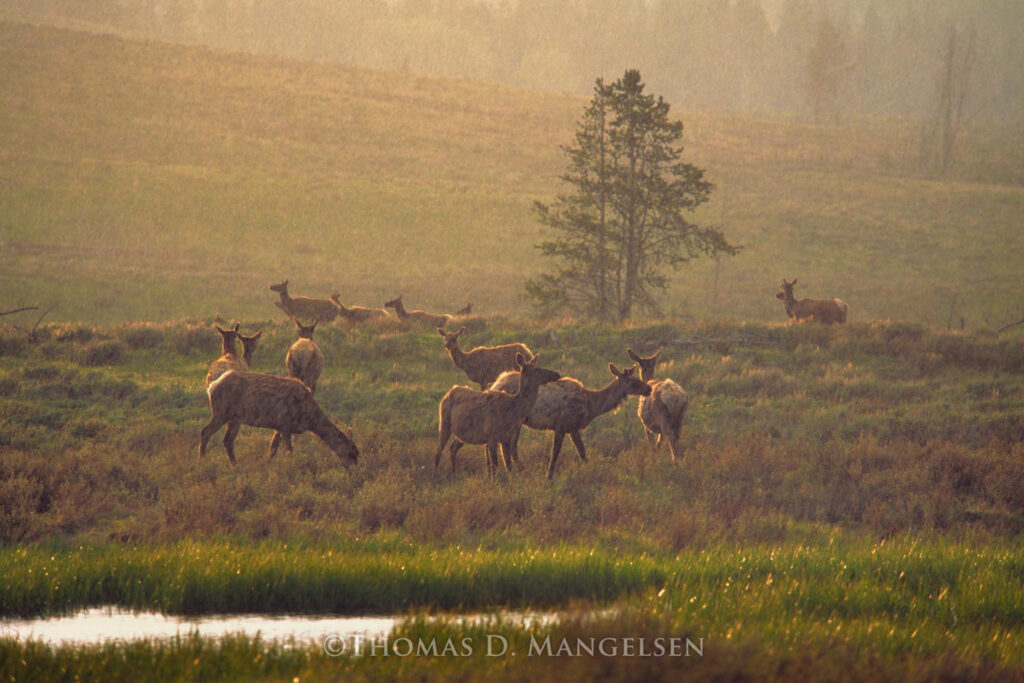
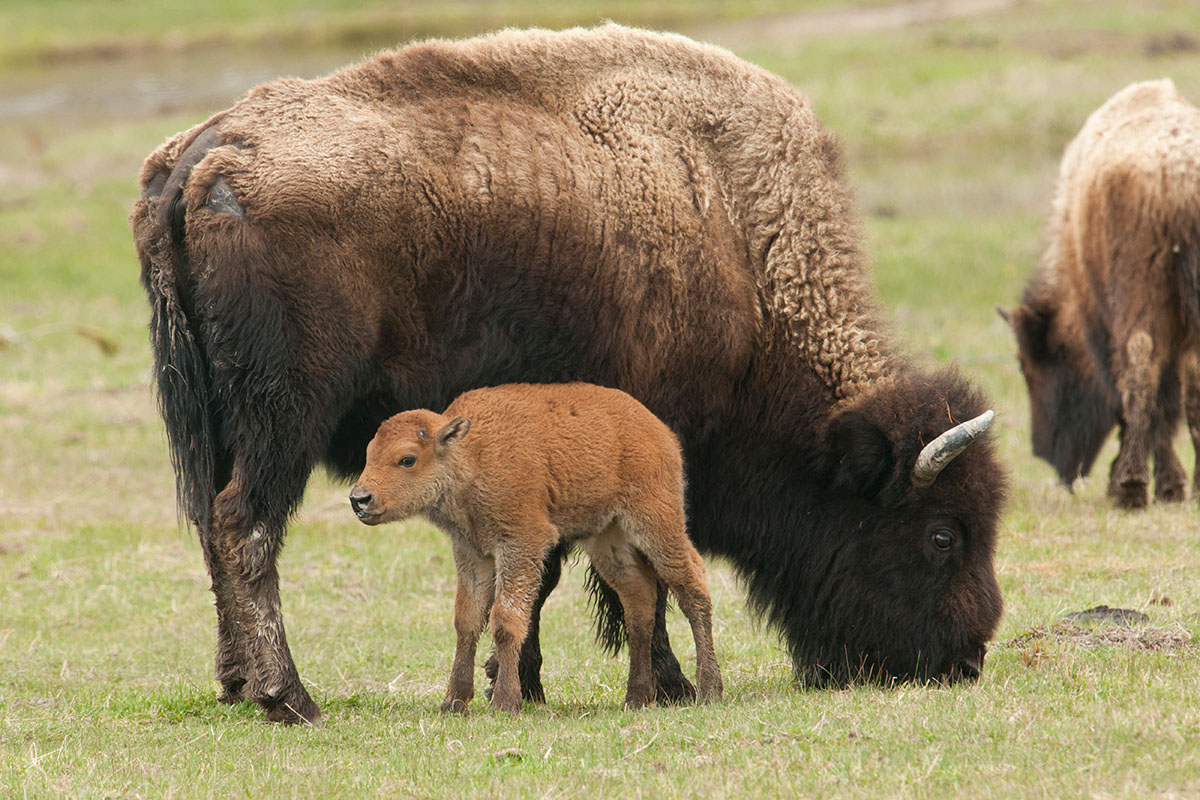
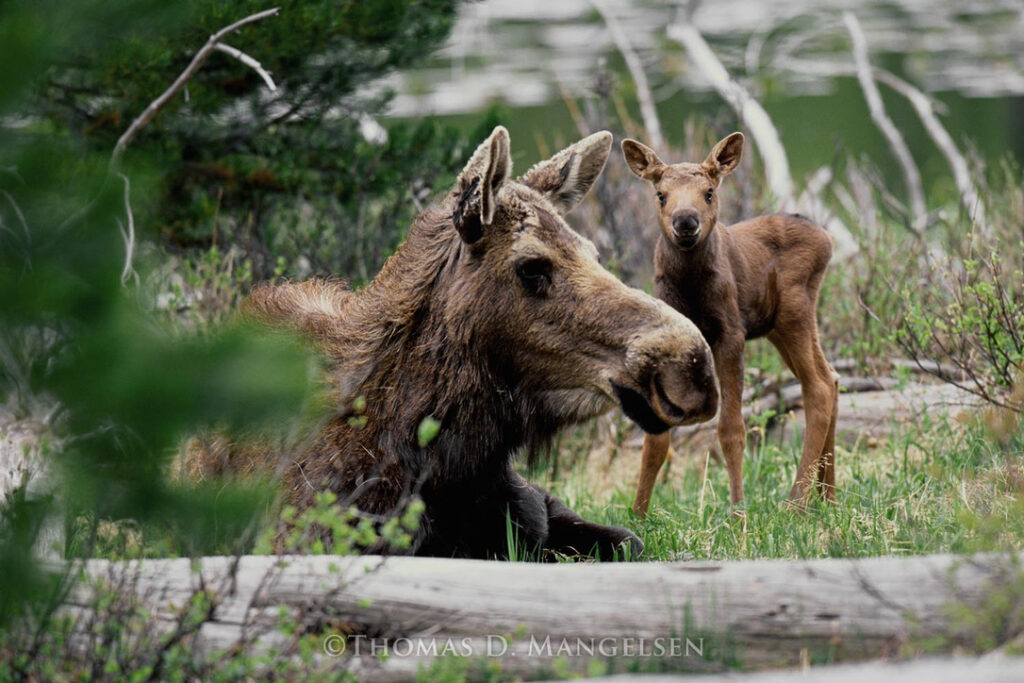
Among the sights (and sounds!) of summer in my home ecosystem, here are a few of my favorites: the arrival of bison, elk, and moose calves being guided by their protective mothers who know there are many possible perils facing their family members. Ungulates are social animals and in Yellowstone and Grand Teton national parks , it’s common to see groups of bison and elk, gathered in their own respective bands, with mothers aided by daughters born in recent years, looking after the youngsters as if at a nursery school.
Bull bison and elk bring their own spectacles. While it’s not uncommon for groups of bison and wapiti bachelors to hang out together, they are largely solitary, especially bison. As summer progresses, bulls enter the rut and engage in expressions of dominant behavior, either through wallowing or jousting with rivals vying to breed with females. In late August, the rut begins with elk. It is quite something to hear bison “roar” during the rut, and just as dramatic is listening to the bugling of bull elk.
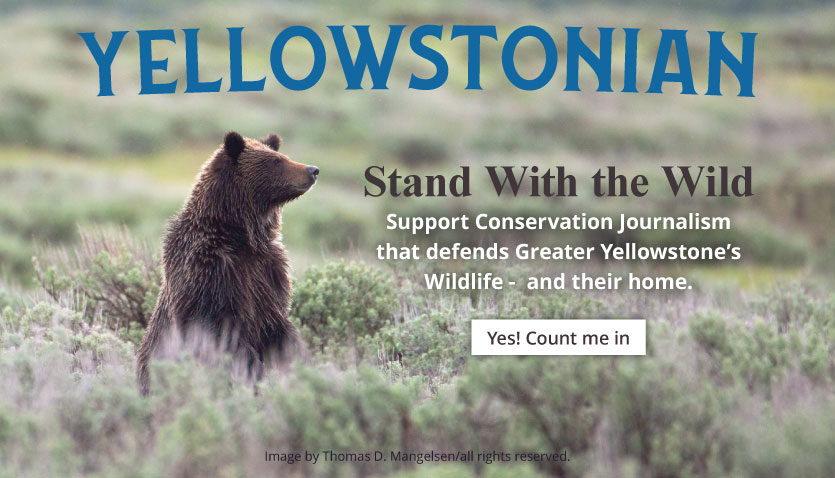
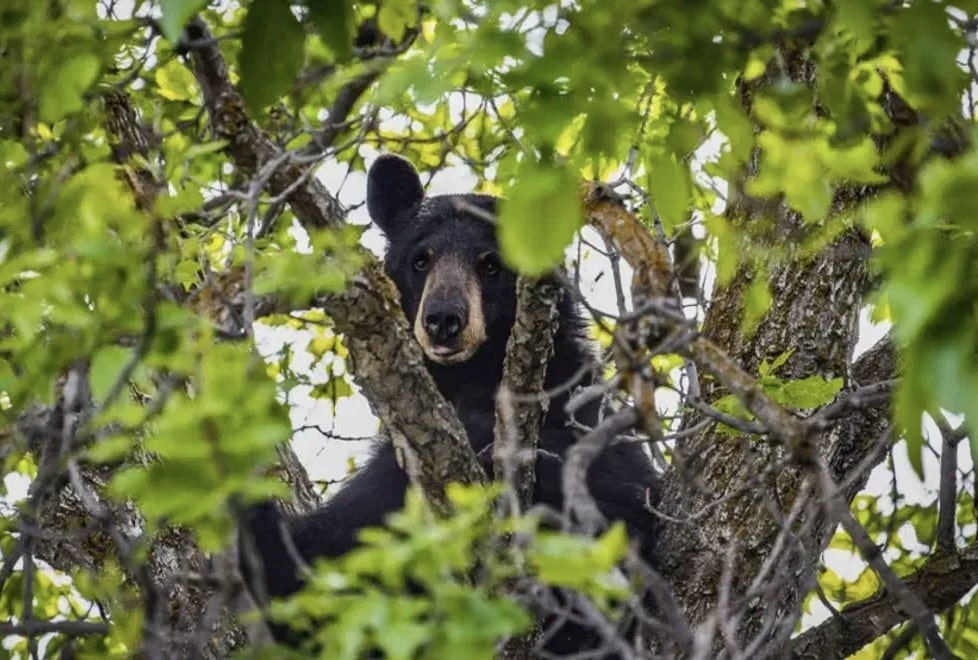
Of course, nothing compares to the sight of bear cubs, cougar kittens and wolf, coyote and fox pups accompanying their mothers and engaged in rambunctious playtime. With every step taken away from their dens youngsters are learning the ways of survival and navigating perilous landscapes of not only wild predators and obstacles such as rushing streams, but an expanding gauntlet of human-related dangers. The ecological function of public lands is not expanding but shrinking owed to human impacts; that’s why every acre is so important.
This is your time to make a difference. In fact, it’s now or possibly, never. We are at a potential point of no return.At this moment, the US Senate is considering passing a bill that originated in the House of Representatives—and dubiously named “The One Big Beautiful Bill Act”— that would allow millions of acres of federal public lands to be sold.
Protected public lands give wildlife added safety that may not be available to them anywhere else. Our own visits to national parks, forests and other public lands should be cherished and our defense of keeping public lands in public hands a cause all citizens should embrace. While our explorations are momentary and remembered for a lifetime in the photographs we take, our constant collective impacts can have permanent impacts on wildlife. Let us use photography to be a voice for wildlife that they don’t have. The images in your camera can also be powerful tools for advocacy.
This is your time to make it happen. In fact, it’s now or possibly, never. We are at a potential point of no return. At this moment, the US Senate is considering passing a bill that originated in the House of Representatives—and dubiously named “The One Big Beautiful Bill Act”— that would allow millions of acres of federal public lands to be sold. US Sen. Mike Lee of Utah inserted the language, invoking a claim that selling off public lands will help fix the affordable housing crisis in many communities and/or be better managed by the states. Neither is true. Lee’s language, like many of his positions, is radical and it needs to be removed from the legislation. No matter where people identify on the political spectrum, public lands are cherished by all Americans.
So, what’s one simple thing you can do? As an advocate for nature and wild creatures large and small, go through your photo archives and share those images on the Facebook and Instagram pages of your US Senators, members of Congress and include this message: “I am an American who believes public lands are my sacred birthright that should not be violated by selling them off. They are essential habitat for lots of wildlife species which are important to me, my friends and family, to clean water and our shared heritage as citizens. They are one of many things that make America great. If you vote to sell off America’s public lands, I will remember it when you come up for re-election.”
“As an advocate for nature and wild creatures large and small, go through your photo archives and share those images on the Facebook and Instagram pages of your US Senators, members of Congress and include this message: ‘I am an American who believes public lands are my sacred birthright that should not be violated by selling them off. They are essential habitat for lots of wildlife species which are important to me, my friends and family, to clean water and our shared heritage as citizens. They are one of many things that make America great. If you vote to sell off America’s public lands, I will remember it when you come up for re-election.’”
—Nature photographer Thomas D. Mangelsen
Take just a few minutes of your time and call the offices of your senators in Washington DC and in your home state. Time is of the essence as a vote is fast approaching and if Lee’s language stays in the bill and it is passed by the Senate and signed by President Trump, it cannot be easily reserved.
As part of your sacred citizenship, also send a jpg of your favorite photos taken of wildlife on public lands and email them to your elected officials at their email address along with the message above. Ask politely in your phone calls and emails that your elected officials respond to you directly. The Center of Biological Diversity has created an easy way that you can find the names and email addresses of your respective senators by clicking here.
Again, please be respectful but firm in your choice of words. Public lands belong to each and every one of us. Do these simple things and our wildlife and future generations of American will be thankful because what you’re doing for them matters.