By Todd Wilkinson
A few years ago at the Jackson Hole Center for the Arts, Dr. Jane Goodall stood before a jam- packed hall and, as she often did, spoke about “hope.”
Goodall, however, was not a shrinking violet, and while her manner of defending the natural world was never fiery, she also did not pull punches in calling out entities who plundered wildlife and habitat without regard given to consequences.
This included leaning upon world leaders to do better, business people (who possessed enormous power, means and influence) to think about more than serving only their own self-interests, and even citizens who “use” nature but do not inconvenience themselves by speaking up for its protection.
Having hope, Goodall noted in thousands of speeches she gave across decades, should not be misinterpreted as giving oneself permission to do nothing; or retreat into a state of blithe, wishful thinking; or adopting the slacker mantra that “all will work out for the best” if we simply have a positive attitude, get outdoors to indulge ourselves in more playtime, and wait until the storms of trouble pass.
Challenging times demand that citizens step up to meet the moment. Hope, when it comes to conserving Nature, realizes its highest potential when it involves lots of people converging to make difficult choices, applying elbow grease to a cause, having compassion for the irreplaceable things we are trying to save (as well as each other) and doing it with courage, not half-hearted gestures.
On the very same stage where Goodall spoke about the spirit of hope, 20 different conservationists from the Northern Rockies on the afternoon of Thursday, April 30 will demonstrate what the above looks like. Anyone in serious need of inspiration in these heavy times won’t want to miss the series of short “QuickTalks” that are part of the Northern Rockies Conservation Cooperative’s 10th Biennial Conservation Symposium.
Challenging times demand that citizens step up to meet the moment. Hope, when it comes to conserving Nature, realizes its highest potential when it involves lots of people converging to make difficult choices, applying elbow grease to a cause, having compassion for the irreplaceable things we are trying to save (as well as each other) and doing it with courage, not half-hearted gestures. On the very same stage where Jane Goodall spoke about the spirit of hope, 20 different conservationists from the Northern Rockies on the afternoon of Thursday, April 30 will demonstrate what the above looks like
They will give you a shot in the arm, they’ll leave you better informed, and, by sharing them with young people you know, you’ll give them the gift of seeing how there’s a place waiting for them to make a difference in 21st century conservation.
Over the years, NRCC’s QuickTalks, which highlight the amazing work of conservation carried out by groups, scientists and government agencies, have been my favorite part of its conference that happens every two years and usually focuses on wildlife. This year, the theme of the symposium is on democracy and how to maintain a system of protection that has made Greater Yellowstone the cradle of American conservation. But many of its pillars are in danger of unraveling.
The morning session opens with a provocative panel discussion, led by Rich Wallace, and featuring remarks from NRCC co-founder and retired Yale University professor Susan Clark, Jackson Town Councilman and regional thought leader Jonathan Schechter; renowned conservation biologist andretired Montana State University professor emeritus Andrew Hansen; law professor, author and policy expert Robert Keiter (who recently organized the well-attended Wallace Stegner Center Symposium in Salt Lake City, and I’ll be presenting a brief overview of the big picture of threats facing Greater Yellowstone.
If you’re wondering where the center of the movement is, you’ll get a motivating reminder. The QuickTalk sessions, with each presentation lasting about 10 minutes, occurs between a rousing morning opening featuring experts talking about major threats to agencies, employees, laws and protection on the ground, and a free keynote at 5 pm from Christina Cromley Burner, who for years served in the Interior Department’s Office of Inspector General. The title of her talk is “Saving Democracy and the Environment.”
Just before Bruner takes the stage around 5 pm, veteran Jackson Hole nature advocates Franz Camenzind and Phil Hocker will deliver a new special conservation leadership award, sponsored by Yellowstonian, being given to two organizational recipients that have played a vital role in protecting the geographical center of the ecosystem.
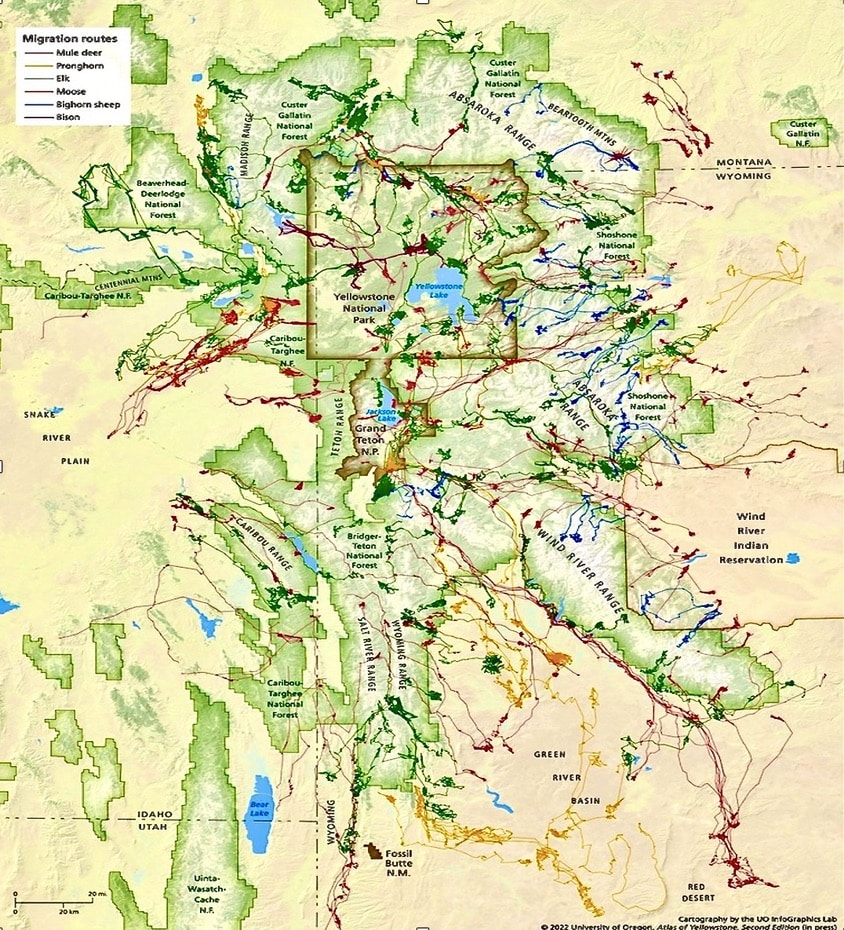
The two rounds of QuickTalks (see the agenda below) begin at 12:45 pm and feature individuals talking about positive things happening on the ground, including well-known local people and young rising starts. College professors should require their students watch them; conservation NGOs should make them mandatory for all staffers and board members, and citizens will find them uplifting. Plus there are science presentations in the lobby on wildlife migrations and crossings, grizzlies, wolves, sage-grouse, beavers, moose, water, wolves and more.
You do not want to miss the symposium, for wherever you live in the US, you’re likely to glean insight that can be applied to protecting your own backyard. Best of all, you can tune in from anywhere in the world, with your laptop or cell phone as NRCC is offering a live-stream but you need to register in advance.
QuickTalk Sesson 1
Adapting to a Changing Democracy
(Starts at 12:30 pm Thursday, April 30)
1. The Future of the American West by Robert Frodeman, independent researcher and co-editor of the book “A Watershed Moment: The American West in an Age of Limits.”
2. Assessing Climate Change Priorities and Projects in Greater Yellowstone by Sierra Harris of the Greater Yellowstone Coalition
3. Building a Movement to Save our Roadless Forests by Ellen Montgomery of Environment America
4. On Consilience: Humboldt’s Naturgemälde and a Metacognitive Approach to Growing Committed Environmental Scientists and Managers by Eric C. Atkinson of Northwest College and research fellow with the Northern Rockies Conservation Cooperative
5. Colorful Collaboration: Creating Coloring Pages for Outreach and Engagement by AM Rasmussen and Andy Ray of the National Park Service and NRCC
6. The Wolf as Compass: Restoring Our Kinship with Nature by Suzanne Asha Stone of The International Wildlife Coexistence Network
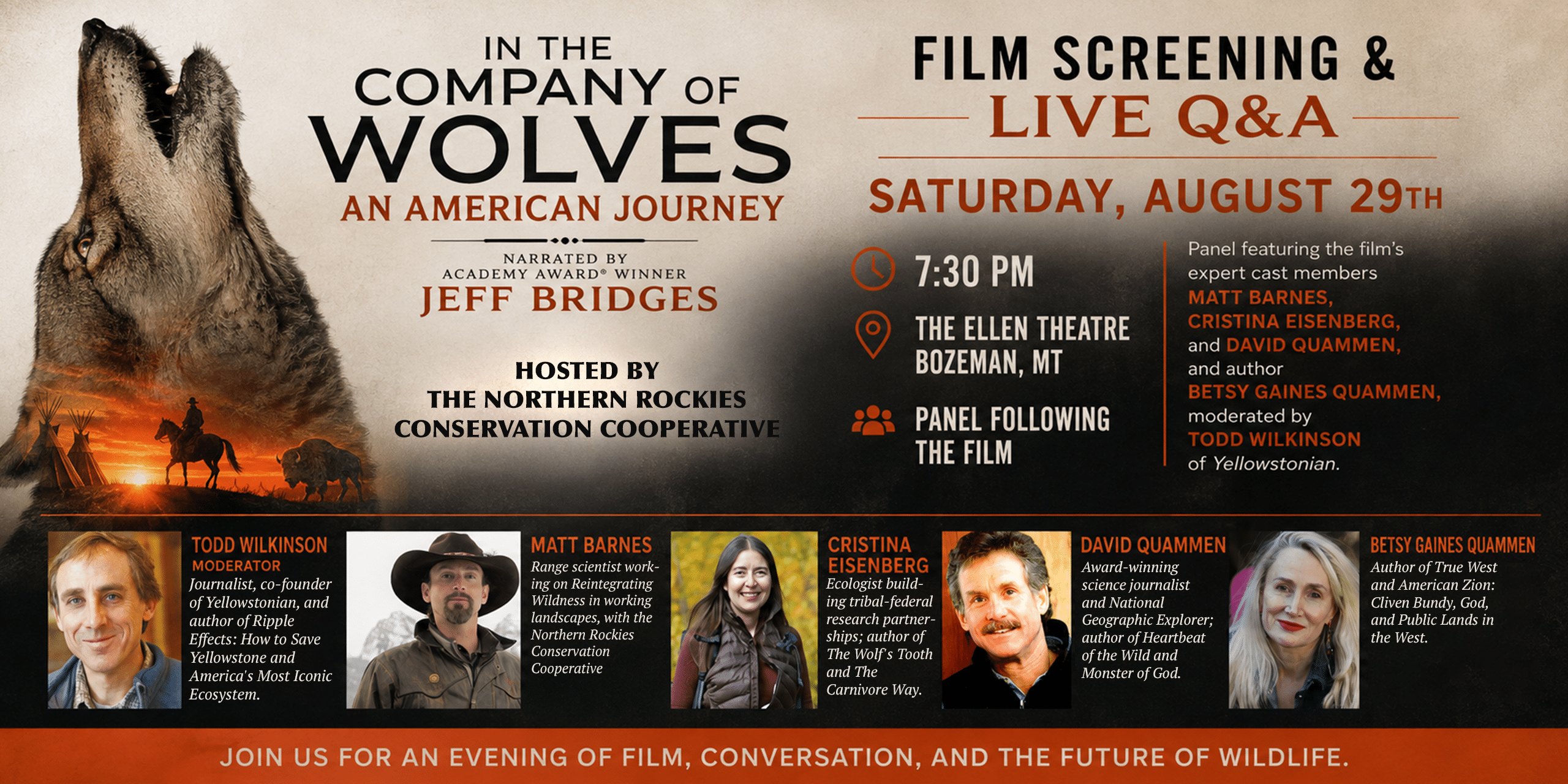
7. Wolf Restoration, Livestock Conflict, and Political Backlash in Colorado by Matt Barnes of Rocky Mountain Wolf Project and longtime NRCC research fellow
8. WYldlife for Tomorrow: A Tourism-Powered Funding Model for Wyoming Wildlife by Taylor Phillips of WYldlife for Tomorrow and owner of a respected wildlife-watching guide company based in Jackson Hole
9. Using Ecosystem Management as a Tool to Unlock Funding on Tribal Lands by Delane Atcitty of Indian Nations Conservation Alliance
10. Power to Protect: Local Government’s Role in GYE Conservation by Cindy Riegel, founder of Project Greater Yellowstone, wildlife researcher and former chair of the Teton County, Idaho County Commission
QuickTalk Session 2
Building Networks for Conservation
(Starts at 2:40 pm)
11. For the Love of Whitebark: Networked Conservation by Nancy Bockino, representing the US Forest Service, American Forests and a NRCC research fellow
12. Rooted in Community: Building Civic Power for Conservation in an Eroding Democracy by Jenny Fitzgerald, executive director of the Jackson Hole Conservation Alliance and career wildlife researcher
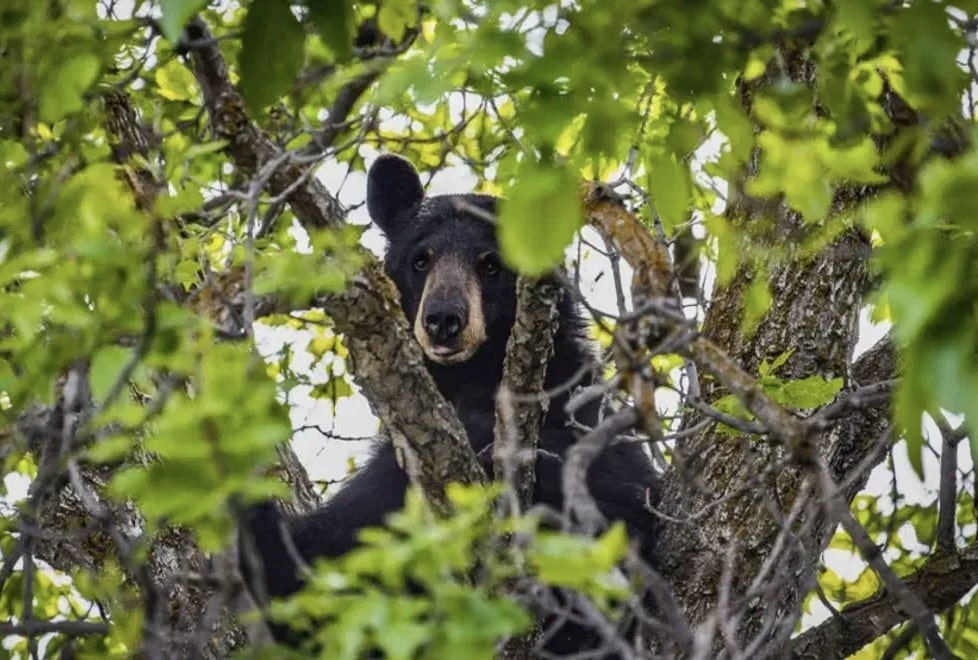
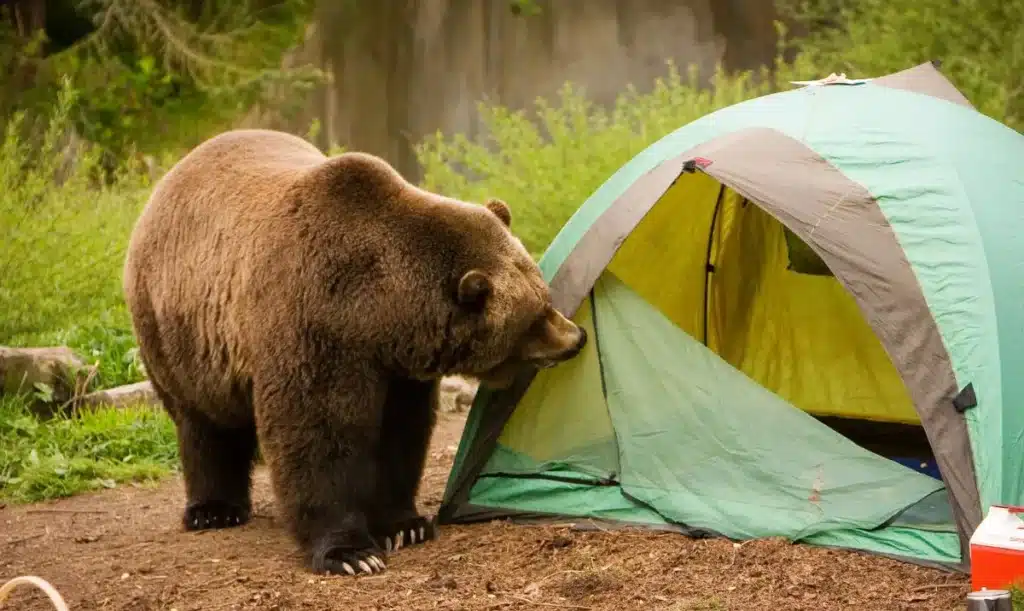
13. Bear Wise Jackson Hole Elevates Conservation Through Collaboration by Chris Colligan of Teton County, Wyoming and Kate Gersh of the Jackson Hole Wildlife Foundation
14. Fire on the Mountain: Enhancing Post-Fire Restoration of Mountain Sagebrush Communities Invaded by Cheatgrass by Trevor Bloom, representing the US Forest Service, University of Wyoming and an NRCC research fellow
15. Protecting the Call of the Cranes by Niah Pennington of Teton Regional Land Trust
16. Amphibian Connectivity in the Greater Yellowstone Ecosystem by Charles R. Peterson of Idaho State University and longtime NRCC research fellow
17. Squeezing Through: Handbook for Big Game Movement Across the Built Environment by Sonya Gimon of 3FWILD, a design practice specializing in landscape architecture
18. Can Indigenous Management Reshape Federal Policies by Kaycee Prevedel of the Wind River Tribal Buffalo Initiative
19. Can Indigenous Land and Species Management Save Us? by J Dallas Gudgell of Buffalo Field Campaign
20. Operation Spider: a Bridge, a Rock Nursery, and the Web of Life by Sarah Karikó of Gossamer Labs LLC/Harvard University/IUCN Spider and Scorpion Specialist Group