Guest Opinion Essay
by Adam Bronstein
For decades, public-land management in the Western US has been dictated by the multiple-use framework, a well-intentioned but ultimately unsuccessful model that has left our wild ecosystems industrialized and biodiversity in steep decline.
Proponents of the recently launched “Ground Shift” initiative and its cadre of “new” thinkers suggest that these systems are merely “showing their age” and are worth amending. But the on-the-ground reality is much worse than they acknowledge.
We must either reimagine this approach entirely or abandon it altogether. Multiple use is becoming multiple abuse, focusing solely on profit-driven extraction while neglecting conservation and the public interest. If the shoe doesn’t fit, forcing it onto your foot will only prolong the pain.
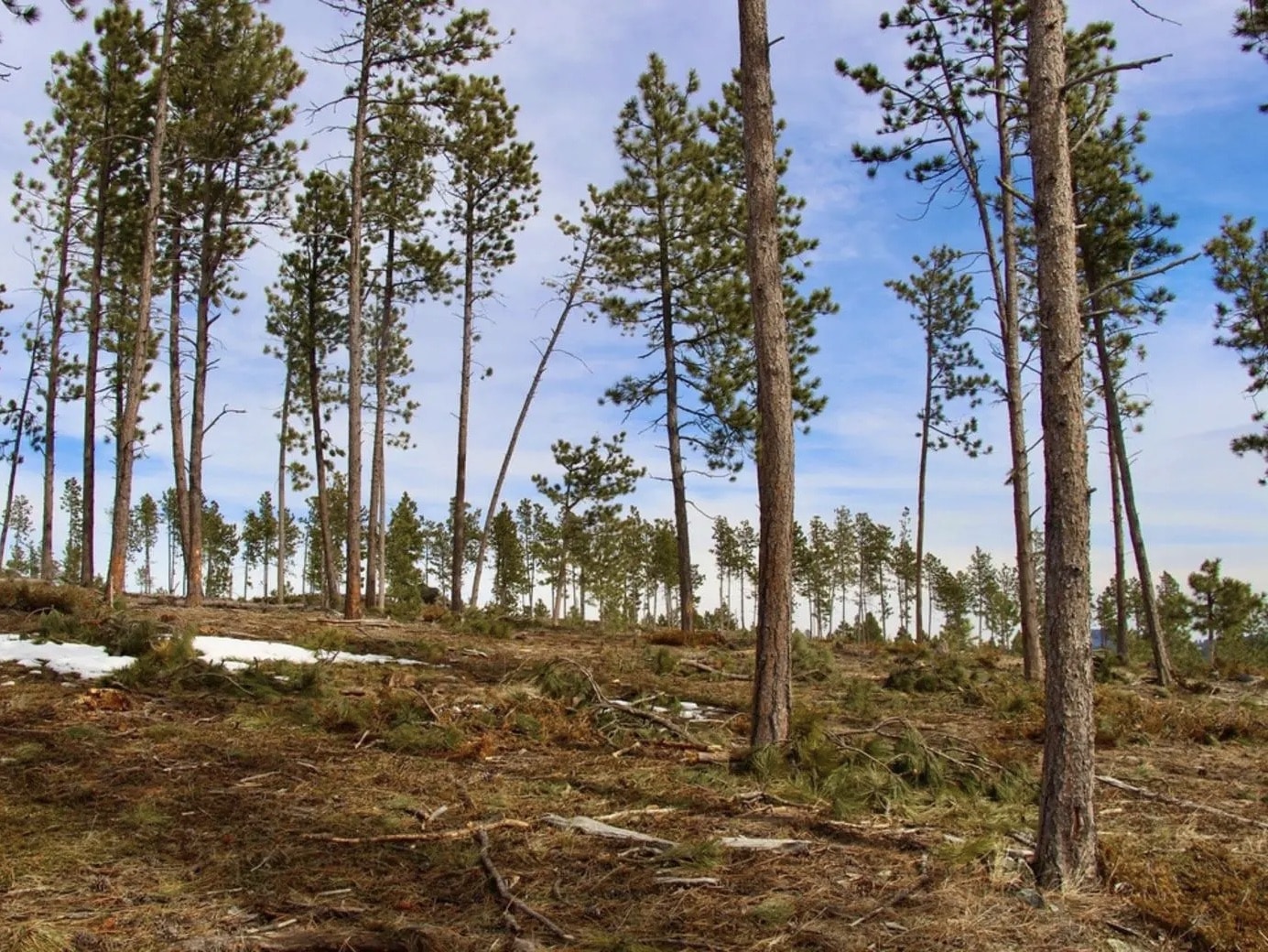
Yet today’s pervasive neoliberal logic insists that we ignore reality and push forward with business as usual. In consequence, public lands are being degraded by cattle grazing, “forest health” projects and all the other extractive activities that are destroying habitat and driving fish and wildlife into steep decline.
A proposal by Ground Shift contributor Justin Pidot advocating for “primary purpose” or “dominant use” management (where specific uses, such as mineral development, renewable energy and transmission corridors, are concentrated in designated zones), is akin to rearranging the deck chairs on the Titanic. We cannot escape the “paradox of choice” by merely shuffling and condensing the impacts, and the thought of accepting public-land “sacrifice zones” is unacceptable.
In reality, this new framework simply repackages the same extractive paradigm that caused the crisis in the first place. It is a seductive but dangerous logic that suggests that industrializing wild ecosystems is somehow compatible with biodiversity and climate goals, as long as we do it intelligently. We must accept the hard reality that ecological and biodiversity goals cannot coexist with extraction and industrialization on the same piece of land, even when those activities are nominally limited, mitigated or carefully targeted.
The so-called “abundance movement” and its reliance on free-market environmentalism, a central tenet of Ground Shift, amounts to trickle-down economics diplomatically repackaged for liberal audiences. It promises that we can have “more” of everything — more energy projects, more minerals, more wood fiber, more beef and more infrastructure — while also delivering healthier watersheds, abundant wildlife and intact forests and sagebrush ecosystems. We have overworked the current management paradigm for more than a century, and it has consistently resulted in fragmented lands and the steady hollowing out of federal protections.
The so-called “abundance movement” and its reliance on free-market environmentalism, a central tenet of Ground Shift, amounts to trickle-down economics diplomatically repackaged for liberal audiences. It promises that we can have “more” of everything — more energy projects, more minerals, more wood fiber, more beef and more infrastructure — while also delivering healthier watersheds, abundant wildlife and intact forests and sagebrush ecosystems.
We must remember why we have public lands in the first place. President Theodore Roosevelt created forest preserves as a direct response to the rampant, unchecked resource extraction of the late 19th century. Public lands were intended to be a safeguard against the very industrialization that many now seek to normalize and promote. The forces that once drove excessive extraction across the West have not disappeared — they have merely evolved, repackaging themselves in green-sounding euphemisms while pursuing the same destructive goals.
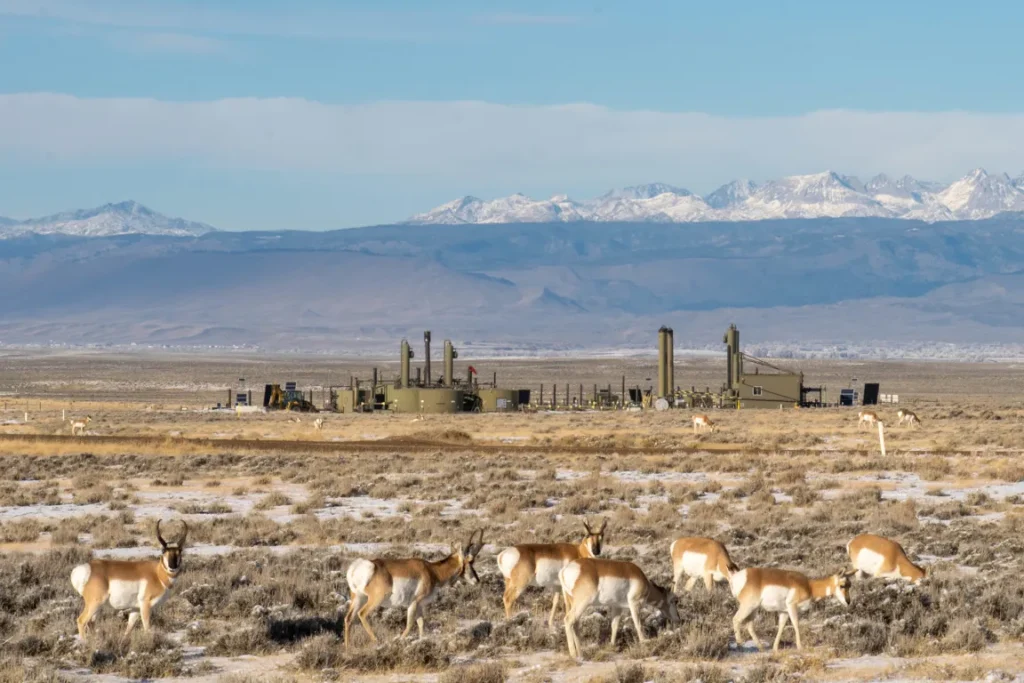
It’s insane to keep doing the same thing over and over while expecting a different result. The status quo cannot be reformed; it must be fundamentally changed. Under the failed multiple-use framework, cattle grazing and commercial logging have proven to be incompatible with the public lands’ biodiversity and ecological integrity. It’s past time we addressed the climate crisis as well, starting with an immediate moratorium on new oil and gas wells; we have enough of those on public lands already.
Safeguarding biodiversity and achieving climate stability requires drawing genuine protective-area boundaries. We need more wilderness areas, and our remaining roadless lands must be granted permanent, ironclad protection. The loopholes that allow for destructive logging, off-road vehicle use and grazing must be closed once and for all.
We should advocate for a new “rewilding” land designation that applies to ecologically important public lands that have been badly degraded by decades of industrial use. Their stewardship would look radically different: Roads would be decommissioned, riparian systems restored by encouraging the return of beavers, livestock grazing ended, and fences and other industrial infrastructure removed from the landscape.
This vision must incorporate traditional ecological knowledge and allow for the return of cultural burning, first foods production and other practices. We must stop viewing natural disturbances, such as wildfire, as something to be strictly “controlled” or “managed” through industrial intervention. Instead, these natural processes must be recognized as essential ecological forces and allowed to occur without human interference across the public domain.
The status quo is simply not working, and the “primary purpose” model is just another attempt to maintain the machinery of extraction under a new name. It is time to step back from the industrial model and embrace a new vision of public lands, one that prioritizes ecological integrity and rewilding over the illusion of extractive “balance,” where, outside of wildlands, commercial activities are only allowed to the extent that they never impair healthy functioning native ecosystems. Only by permanently protecting our shared wild commons and fostering genuine recovery can we ensure that these landscapes continue to sustain both human communities and the countless other species that depend on them.
Writer Terry Tempest Williams has described our public lands as “landscapes of hope” In stark contrast to how most private lands are managed, public lands offer us a rare opportunity to advocate for the landscapes and species we want to see flourish. In many parts of the country, they are the only places left where one can still experience wild nature. But hope requires clarity: We must confront the reality that the status quo has failed us. No amount of tinkering around the edges will produce the transformation these landscapes require. I remain hopeful that we can change our thinking, but that hope begins with honesty about where we have gone wrong. We must come to terms with our failed past, find a new direction, and trust nature to lead the work of recovery.
EDITOR’S NOTE: We welcome your response to Adam Bronstein’s op-ed above. If you have comments, please send them along by clicking here. Keep them on point, accurate, based on fact, civil.