By Stephen Trimble
Writers on the Range
Utah Republican Congresswoman Celeste Maloy is irritated. Her most recent attackon Grand Staircase-Escalante National Monument spurred wide and deep opposition. She pushed back in a video with direct, if misleading, language.
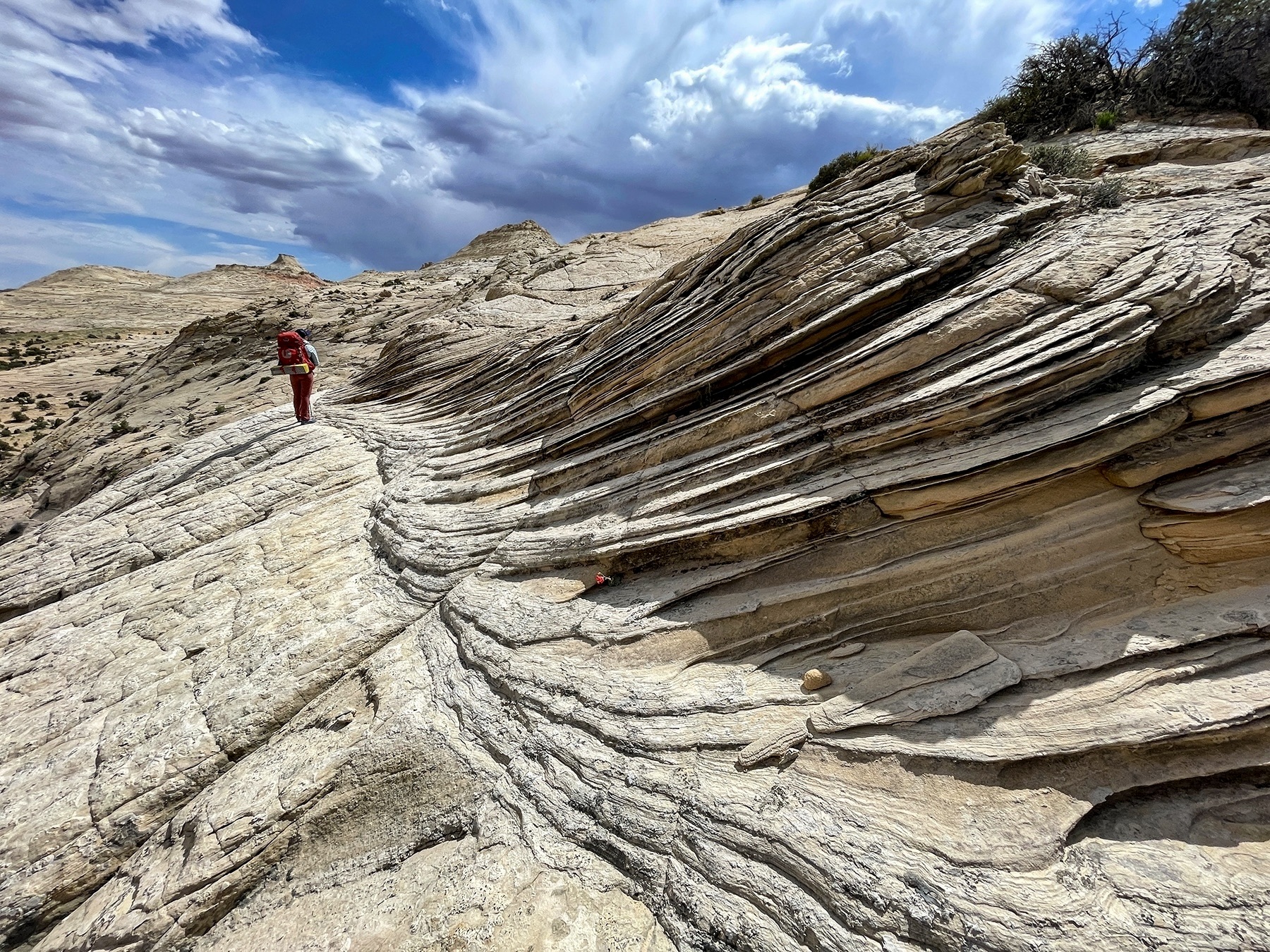
Maloy has long criticized this southern Utah national monument that was halved by President Trump during his first term, then restored under President Biden. One million awestruck visitors come here every year and spend money in the two Utah counties surrounding the monument, whose towns total less than 14,000 residents. Yet Maloy discounts data showing the economic value of preserved public lands. She neglects the world-class scientific value of these 1.9 million acres, detailed in Biden’s proclamation.
Rep. Maloy’s attack is wily. She and the rest of the congressional delegation know there’s too much public support to ask President Trump to again chop down the monument’s size. Nearly 3 out of 4 Utah voters are on record as wanting to keep Grand Staircase-Escalante protected as a national monument.
So Utah politicians are betting the public won’t pay as much attention to management retrenchment as they would to downsizing. They’re using a controversial tactic to force the Bureau of Land Management to abandon the current Resource Management Plan — a blueprint for how the BLM puts the presidential proclamation into effect on the ground.
But monument supporters are paying attention because management plans matter.
After President Biden restored the boundaries of Grand Staircase in 2021, the BLM worked with the public for two years to create the 2025 Resource Management Plan, listening to every conceivable collaborative partner. Such plans guide decision-making for years, and this true compromise keeps ranchers’ grazing permits in place while also factoring in a warming planet, persistent drought, the need for biodiversity and a sustainable future.
This is Grand Staircase-Escalante National Monument, not Grand Staircase County Park. The environmental, scientific, interpretive, and Indigenous values and potential of these public lands have national and international importance. This new attack on Grand Staircase-Escalante from Congress—along with a parallel attack on Minnesota’s Boundary Waters—would set a national precedent with no public input that could upend public lands protection for years.
Now, Rep. Maloy has obtained an opinion from the Government Accountability Office to treat the 2025 plan merely as a “rule” that Congress can overturn. This unprecedented allowance can’t be challenged in court and permits the Utah delegation to use the Congressional Review Act to kill the conservation-based plan and bar the agency from issuing any “substantially the same” plan in the future. The Trump-era plan that would take its place leaves much of the monument unprotected from extractive industry and off-road vehicles.
Maloy says that emphasizing conservation “undercuts rural economic development.” Frrom 2001 to 2022, however, real per capita income grew by 41 percent in the monument’s counties.
She says that local residents and “trail users” oppose the Biden plan. This is cherry-picking. Motorized trail users always want greater access, even though the Biden-era plan left more than 800 miles of dirt roads and trails open for motorized vehicles.
When Maloy talks about “deep cultural traditions” being disrupted by the current management plan, she isn’t listening to Indigenous people who have made this place their home since time immemorial. The six Native Nations of the Grand-Staircase Escalante Inter-Tribal Coalition oppose her move, noting that without the “clear roadmap for protection and conservation” provided by the current management plan, “our ancestral lands and … cultural sites within the monument would be at greater risk of looting, vandalism, graffiti, and degradation.”
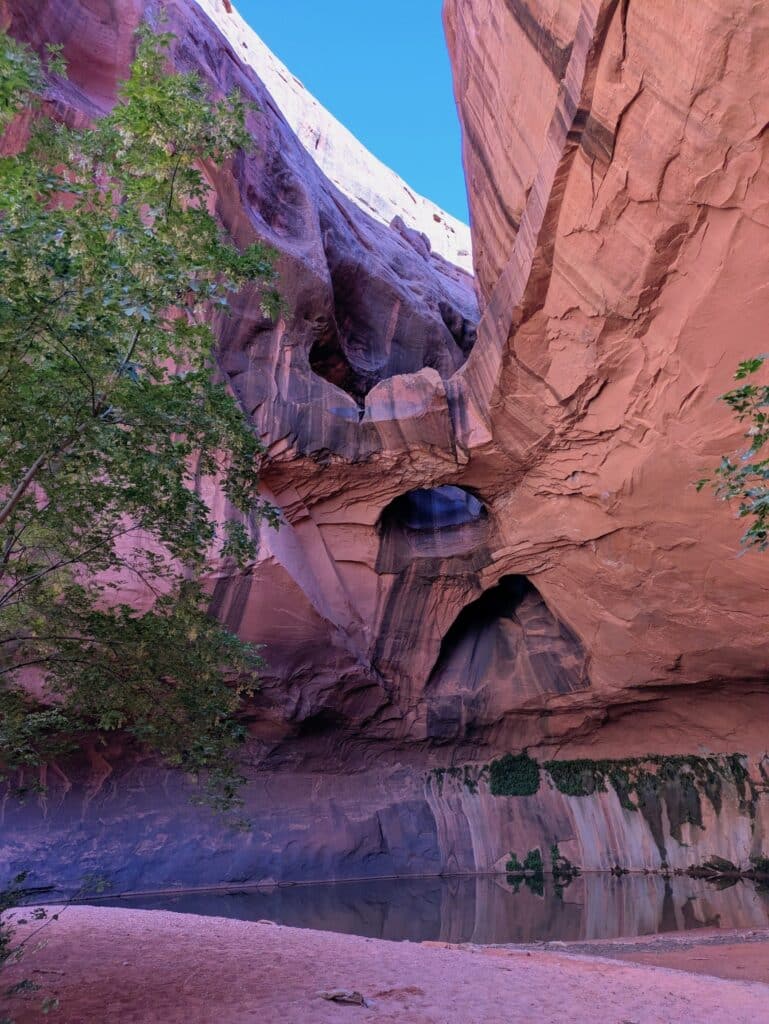
To support their attacks, Utah’s politicians use their timeworn template to argue exclusively for “the needs and voices of the people who live and work on this land.” These politicians, however, listen only to county commissioners and legacy ranchers, not to a much broader constituency.
This is Grand Staircase-Escalante National Monument, not Grand Staircase County Park. The environmental, scientific, interpretive, and Indigenous values and potential of these public lands have national and international importance.
This new attack on Grand Staircase-Escalante from Congress—along with a parallel attack on Minnesota’s Boundary Waters—would set a national precedent with no public input that could upend public lands protection for years. Even the deeply conservative Mountain States Legal Foundation said it fears a “Wild West” for land-use planning if Congress acts on Maloy’s radical approach.
The exhausting years-long battle to protect the resources and restorative magic of Grand Staircase-Escalante can wear out supporters. But this place gives us no choice but to speak up once again. Staying silent puts federal agencies in an impossible position and places all of our public lands at risk. Let your members of Congress know that preservation of the monument requires leaving the current resource management plan in place.