EDITOR’S NOTE: Better than digesting this report on an electronic device, make a pdf copy by clicking on the button above, print it off and read in full when time allows.
by Todd Wilkinson
Who is Ryan Zinke? What does he stand for?
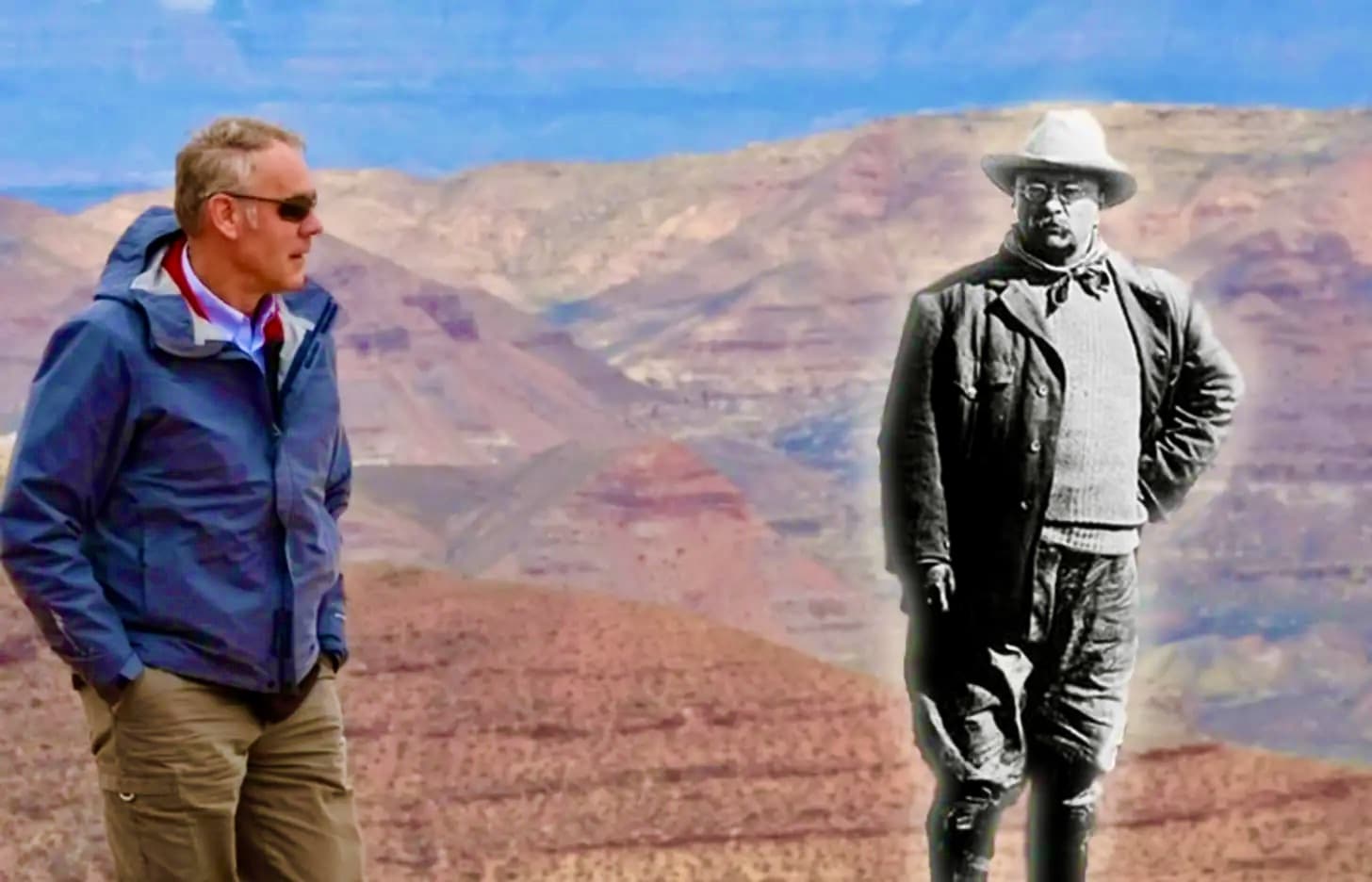
This isn’t the first time it’s been pondered. And, it’s fair to say, most Americans have never heard of him. But today few US politicians, currently serving in office, hold more sway over the future of this country’s public lands. That’s because Mr. Zinke claims to be their biggest ardent defender, modeling himself, he avers, after Theodore Roosevelt.
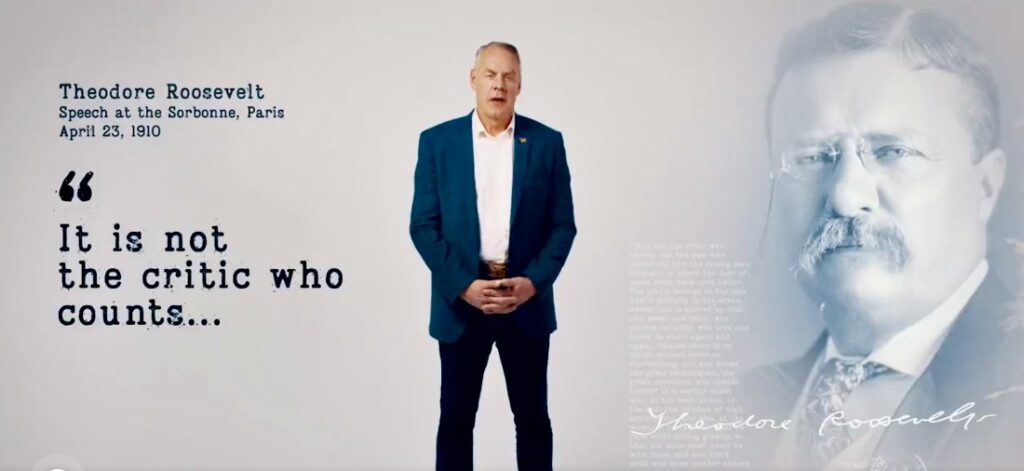
A few years ago, Zinke released a short video featuring himself theatrically performing TR’s venerable “Man in the Arena” passage embedded in a speech. He delivered it as a soliloquy, apparently to flaunt his alleged Rooseveltian bonafides. Given these times, it’s noteworthy that Zinke interpreted TR’s words as a kind of righteous battle cry for his re-election.
The Theodore Roosevelt Association, keeper of Roosevelt’s true legacy, notes that the larger speech, delivered at the Sorbonne in Paris in 1910, instead outlined something else and far more noble: “TR’s thoughts about the duties and responsibilities of state to citizen and citizen to state. The Man in the Arena passage emphasizes the importance of action and striving towards worthy goals in life over idle criticism, laziness and inaction. A country’s success, TR stated, depends on disciplined work and character, and democracies require leaders of the best character to hold all citizens to the highest standards.”
Many questions swirl around Zinke’s character, as they should every elected/public official in the country. In his case, a few loom largest: Is this Congressman from Montana, whom some believe may have presidential ambitions, really the national savior of America’s shared natural heritage as he’s purporting to be? Is he truly a great wildlife and land conservationist cut from the cloth of Roosevelt as he claims? Have his actions and deeds matched his virtue-signalizing rhetoric—and what are the consequences if they do not?
Regarding Ryan Zinke, a few questions loom largest: Is this Congressman from Montana, whom some believe may have presidential ambitions, really the national savior of America’s shared natural heritage as he’s purporting to be? Is he truly a great wildlife and land conservationist cut from the cloth of Roosevelt as he claims? Have his actions and deeds matched his virtue-signalizing rhetoric—and what are the consequences if they do not?
As it turns out, if Zinke is both a bellwether of where things are headed more broadly with the Trump Administration, and a self-anointed arbiter of what conservation is and isn’t, then alarm bells should be ringing, observers say, because the implications portend soul-shaking turbulence for the future of the American West.
To his detractors, Zinke is a confused, walking contradiction of a wildlife conservationist and environmental protector. To an unknown percentage of Republicans, he is held up as representing the new vanguard of GOP land ethics. Jaw-dropping is the number of outdoorspeople I’ve spoken with, in Montana and elsewhere, who identify as longstanding traditional conservatives and are deeply critical of Zinke’s positions, yet too afraid to air them publicly.
Nine years ago, Zinke, then fresh into his cabinet post as US Secretary of the Interior, stepped off a helicopter in southern Utah and promptly began shrinking back the size of national monuments established by Presidents Obama and Clinton on public land. Part of the reason was to appease oil and gas and mining interests. He apparently didn’t understand the paradox when he declared: “I’m a Teddy Roosevelt guy! No one loves public lands more than I do.”
Before the Grand Canyon, just down the road, became a full fledged national park, Roosevelt had used his power under the federal Antiquities Act to protect that natural wonder of the world by placing it inside the boundaries of a national monument on federal Bureau of Land Management (BLM) land. How many Americans today, more than a century later, regret what Roosevelt did?
What Zinke didn’t answer, in swearing his love for public lands, was: for what and for whom? In a 2025 press release, in which Zinke stated opposition to selling off lands that belong to all citizens, he laid out what he called “the conservative case for public lands.” There, he left no doubt what his top priorities were, and they certainly weren’t hugging trees or bending a knee before grandeur. “The Republican Congress,” he implored, “needs to send bills to the president’s desk to improve management of public lands; streamline energy, mineral, and forestry leases; and improve the public process for targeted disposals and swaps.”
And that’s exactly what’s occurring, along with other less overt actions, as never before.
Claiming, falsely, that Democrats hobbled oil and gas extraction, Zinke and his allies want to dramatically ramp up energy production on public lands and in coastal ocean waters. He isn’t kidding when he says he hopes to help unleash an unprecedented new era of natural resource extraction. Interior Secretary Doug Burgum has excitedly said how he wants to convert these national assets into revenue.
Of the roughly 245 million acres of public land managed by the federal Bureau of Land Management, more than any other agency, over 155 million acres are open to livestock grazing comprisingroughly 21,000 allotments. On top of that, 200 million acres are open to oil and gas extraction and that includes 81 percent of BLM lands in the West, or, put another way, 19 percent of its lands are off limits to energy development. The US Forest Service has 193 million acres, with 95 million acres available for grazing, of which 77 million are actively grazed. On Forest Service lands, there are today about 5100 oil and gas leases on 3.8 million of its acres.
In 2021, about a quarter of total US oil production and 12 percent of natural gas extraction occurred on public lands. From Bush-Cheney onward, and including every Administration to the present, Democrat and Republican, America’s public lands have been open for business. From Obama to Trump to Biden each set new records of oil production.
Another statistic worth heeding is that the BLM oversees development of subsurface mineral resources for all federal land management agencies, totaling more than 700 million acres or equivalent to about three and a half Texases. It’s vital to note that demand for rare earth minerals used in cell phones, chips, Artificial Intelligence data centers, military equipment and other technology, is skyrocketing and suggests that a lot more earthmoving is coming.
As of 2024 to 2025, 12.4 million acres of federal public lands had active or recently producing oil and gas wells on them. That’s slightly more than half the number of acres under lease but which are inactive owed to a number of factors but mostly to market conditions. Two years ago, there were 91,000 active oil and gas wells on public land, producing around 12 million barrels of crude a day, and some experts believe it could double or triple.
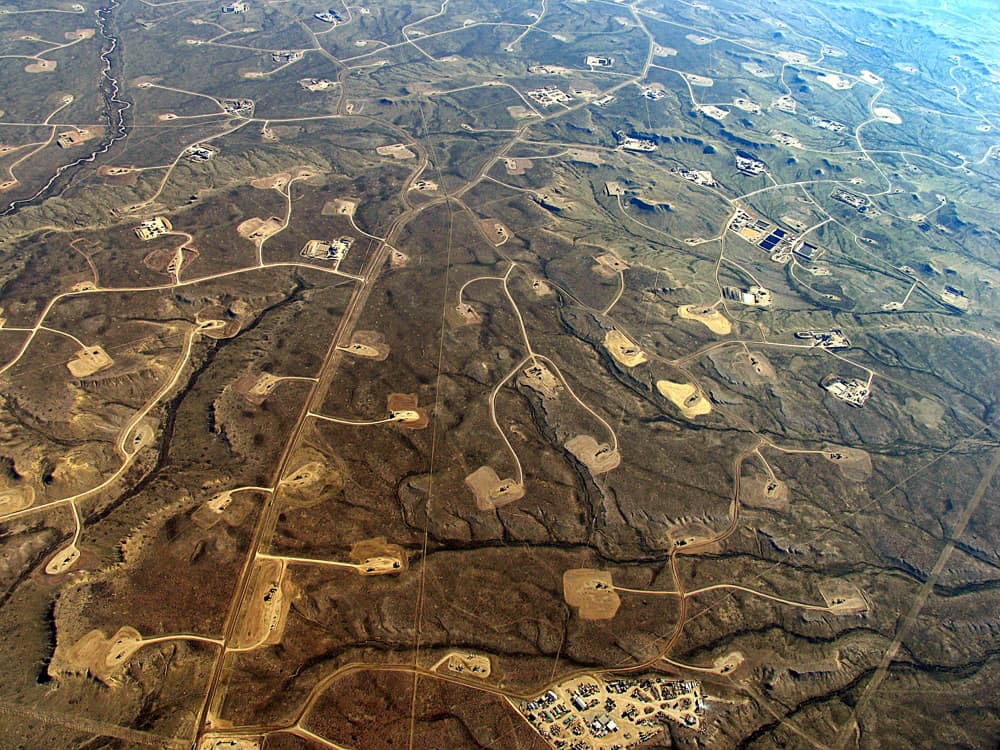
The surface impact of a single oil pump jack, natural or coal-bed methane gas pad (or wind turbine or small solar array) is tiny on wildlife. But when the accompanying infrastructure of roads, power lines and other accoutrements necessary to service it is factored in, it becomes exponentially greater in terms of affected area; epic when it expands to “full production” as seen in the image above of the Jonah Field on BLM located in southern reaches of the Greater Yellowstone Ecosystem.
That’s only a glimpse at the kind of new juggernaut in the making. What it means for wildlife and the West’s sense of place, on top of sprawl proliferating across private land in mountain river valleys, and unbounded recreation pressure, Zinke can’t say. Not a single member of the Trump Administration seems curious about cumulative effects that will, in many cases, be irreversible.
Roosevelt observed: “It is also vandalism wantonly to destroy or to permit the destruction of what is beautiful in nature, whether it be a cliff, a forest, or a species of mammal or bird. Here in the United States we turn our rivers and streams into sewers and dumping-grounds, we pollute the air, we destroy forests, and exterminate fishes, birds and mammals—not to speak of vulgarizing charming landscapes with hideous advertisements. But at last it looks as if our people were awakening.”
Has America woken up yet?
° ° ° °
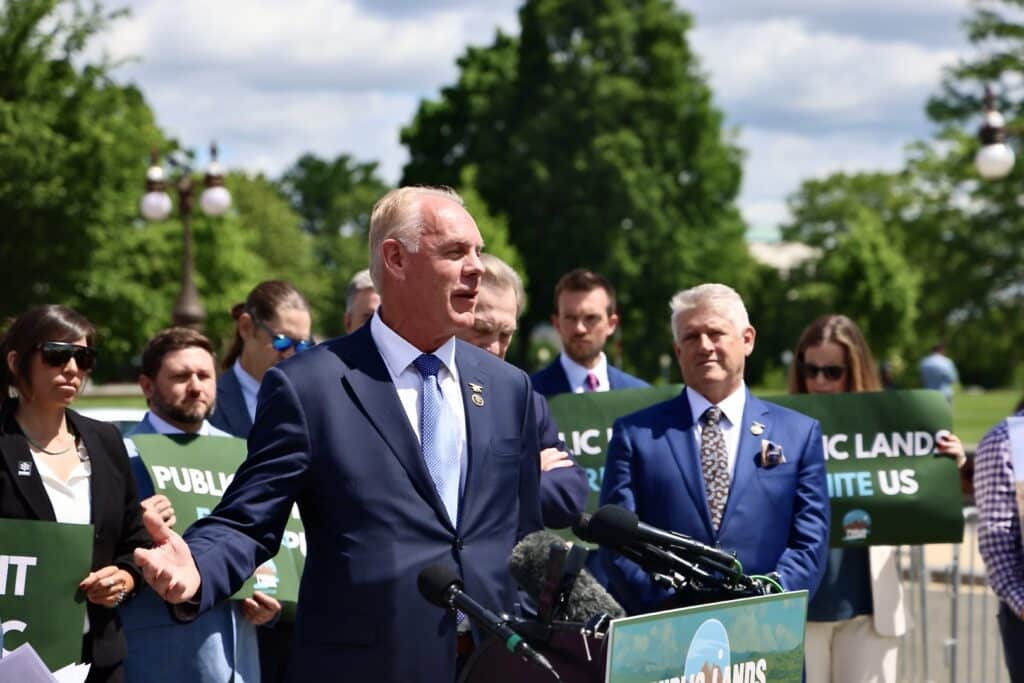
In person, Zinke is physically imposing. Amiable, witty, lankily fit for a 64 year old, he has, on the surface, an easy going temperament that most people would describe as approachable, even charming. He has shown himself to be smarter and cagier than he lets on—traits the former major college football recruit-turned-Navy SEAL commander has employed with finesse in making others underestimate his ability.
The issue is not if Zinke is likable, but whether he as a politician is an honest broker of reality.
Not long ago, the once venerable CBS News program 60 Minutes featured a segment about Montana, relating to the uproar that’s erupted over the proposed sale of federal public lands in the West. In early 2025, at the start of the second Trump Administration, the controversy ignited when legislation was advanced by US Sen. Mike Lee, a Republican, from Utah.
In that 60 Minutes report which aired several months later, the talking head most prominently featured was Zinke. 60 Minutes correspondent Jon Wertheim, normally capable of posing difficult questions, opted instead to lob soft balls to Zinke. Wertheim obviously was left rapt by the Congressman’s defiant “over-my-dead-body” response to the prospect that millions of acres of federal public lands, belonging to all Americans, could—thanks to Lee’s legislation— potentially be handed over to states or put on the auction block and sold to the highest private bidders.
60 Minutes, to its credit, showed the blight of Big Sky and Bozeman on private land in Greater Yellowstone. But anyone who watched the episode, and who understands the much larger forces at work in the West today, knew something was amiss—that there’s a deeper, far more insidious undercurrent going on than was presented in Wertheim’s kid glove treatment of Zinke. It’s incredibly naive to compartmentalize impacts of what’s happening on private lands from human activities occurring on neighboring public lands, or vice versa, and not consider the toll they’re taking together on the whole.
In ways that cannot be exaggerated, nearly every element that has established the West as a venerable symbol of American-style land protection, a cradle for wildlife conservation that’s been emulated internationally, anchored by a system of land management ostensibly informed by science, powered by inspired devoted civil servants, and held accountable, democratically, to and by the public, is now under siege.
When it comes to protecting habitat for fish and wildlife, is Zinke really comporting himself as a Rooseveltian? Seemingly, with every new move he makes, sportsmen’s groups are finding his “Well….buts” hard to defend.
° ° ° °
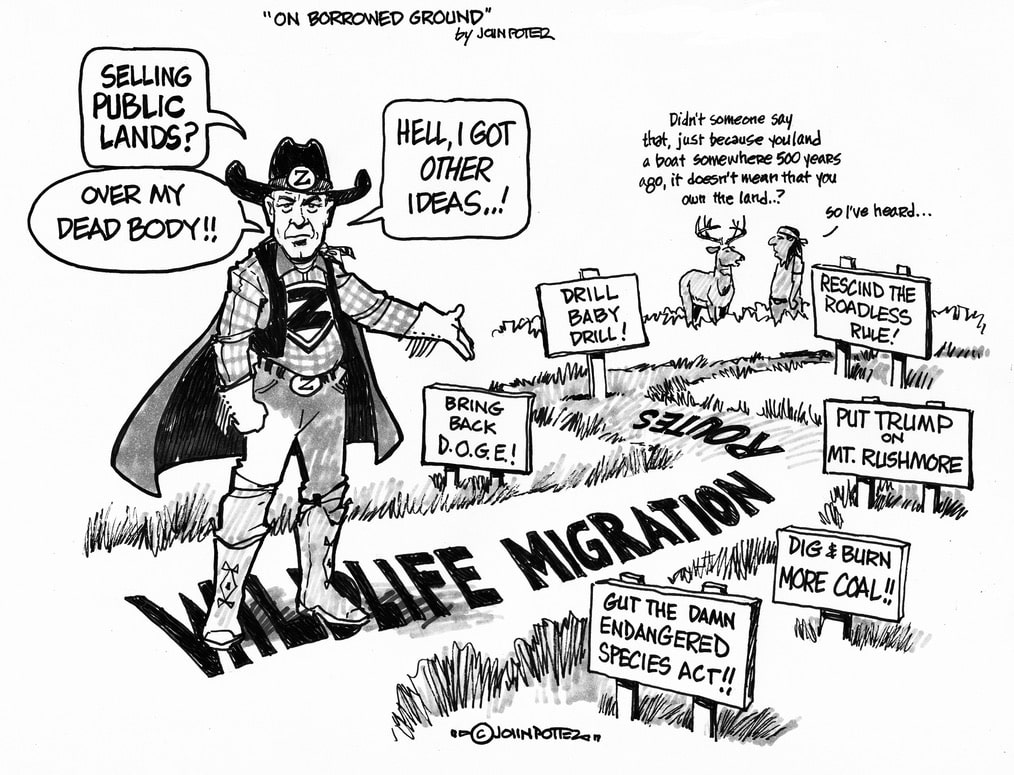
At this moment, Zinke is leveraging his oversized influence to support removing protection from tens of millions of acres of untouched national forests in the West beloved by hunters and anglers. He wants them opened to indelicate “thinning” based on the disproven theory it’s going to prevent fires. And he says that after expensive access roads are bulldozed to remove trees from clearcuts, they’ll then be made available as new playgrounds for motorized and mechanized recreationists (which never bodes well for wildlife).
Zinke strongly advocates for allowing energy companies to invade fragile sweeps of thawing tundra on the Arctic National Wildlife Refuge, home to polar bears and a famous caribou herd in Alaska, again with little reflection on cause and effect—that extracting fossils fuels and burning them will accelerate warming and negative landscape transformation.
Zinke wants oil and gas drilling to markedly expand along thousands of miles of coastal areas encircling the Lower 48 rich in marine life and treasured by the tourism industry but apparently he’s unconcerned that de-regulated energy development, putting a lot more holes into the ocean floor, will hasten the potential for devastating spills or leaks like Deepwater Horizon.
Zinke wants to dramatically ramp up the amount of Western coal being dug, burned and exported. Recently, he personally led efforts, as a leader in the House, to overturn a ban that had prevented a controversial copper/nickel mine, backed by Chilean investors, from being built just outside the Boundary Waters of northern Minnesota, one of the most beloved liquid wilderness areas in the country.
Zinke isn’t kidding when he says he hopes to unleash an unprecedented new era of natural resource extraction. What that means for wildlife, on top of sprawl proliferating on private land in mountain river valleys, and recreation pressure, Zinke can’t say. Not a single member of the Trump Administration seems curious about cumulative effects that will, in many cases, be irreversible.
Regarding the ecosystem cradling our first national park, Zinke claims he is an unflagging champion of protecting Greater Yellowstone’s—and the West’s— last remaining and globally-renowned wildlife migration corridors. Some of those corridors connect iconic wildlife that summer in Yellowstone and Grand Teton national parks with essential winter range long distances away. Yet, as part of his priority to use public lands as cornerstones for achieving “energy dominance”—a position being readily expedited by his friend, former North Dakota governor turned Interior Secretary Burgum—the federal BLM is actively engaged in hastening energy development.
Over at the US Department of Agriculture, Secretary Brooke Rollings in the summer of 2025, issued a new rule that speeds leasing and permitting of oil and gas development in national forests. Both actions, according to wildlife experts, threaten the survival of many migration corridor tendrils.
In Wyoming, the BLM is proposing, and likely will fast-track, oil and gas drilling inside, or closely astride of, mapped ungulate travel routes as well as habitat deemed important to largest remaining cluster of imperiled Greater Sage-grouse. It includes critical segments that are part of the famous Path of the Pronghorn migration route between Grand Teton Park in Jackson Hole and an area called “the Golden Triangle” in the Red Desert. This, in spite of irrefutable scientific research documenting the negative impacts of full-field energy development on mule deer, pronghorn, grouse and other creatures in the larger steppe biome, aka “the sagebrush sea.”
° ° ° °
Consider, for a moment, the meaning of a word that is a favorite of Zinke and cohorts. It is the pleasant sounding noun, “balance,” but what gives it context is its intended application. Zinke deploys it, often glibly, to suggest that those who advocate for limiting drilling or logging on behalf of protecting wildlife are being selfish, radical and extreme. They need to stop being obstructionists, he says, step out of the way and agree to dedicate more public land to resource extraction interests which create jobs, in order to bring better balance to their management.
Resource extraction industries using public lands have created millions of jobs, generating billions in economic activity and revenues for federal and state governments, and it powers communities but because of technology a lot fewer people are employed. However, multiple use management of public lands is based on a pernicious myth of false balance, borne of an earlier ecologically-ignorant age. Refuted by science and a record written on the land of what’s gone missing, in terms of biological diversity, the myth, promoted by industry, is that we can “have it all” on public lands. It still asserts that contradictory activities can occur simultaneously in close proximity to each other without harm.
National parks, while technically not “multiple use” public lands, are nonetheless heavily used by humans, attracting 330 million visits a year, approaching five million in Yellowstone and blowing through 3.5 million in Grand Teton.
Roosevelt, as a sportsman, knew that perpetuating the survival of wildlife depends on one simple basic thing that isn’t difficult to grasp: protecting habitat. Animals have carrying capacities and thresholds of tolerance for how much so-called human balance they can withstand before they go away. Wildlife conservationists are not unconcerned, unsympathetic or unaware of the importance of creating jobs but that isn’t their priority as advocates.
Here are a few undeniable truths: While the dynamic of landscape protection and multiple use management isn’t binary, functional wildlife migrations, as one example, depend on having secure, unfragmented habitat. They either have enough to persist, or they fade away. Most wildlife migration corridors that used to exist in the West have vanished because of land being broken into pieces. There is no half developed, half protected proposition when it comes to sustaining whole healthy herds of the magnificent kind still hanging on in Greater Yellowstone.
Regarding the finite lifeblood of the arid West—water—it is either clean, abundant and cool enough to drink and support aquatic life, sustain agriculture and tourism, or it isn’t. Inseparable is the obvious hover of climate change. Conditions indicating a warming and drier climate—like the effects of the 26 year megadrought currently gripping the Colorado River Basin and much of the interior West—are either happening or they are not. They are happening and there is no evidence—none—that the Administration’s current prevailing strategy to achieve “energy dominance” will ameliorate the reckoning. We are not going to drill our way out of this dilemma any more than mystical dowsers are going to magically find hidden reservoirs to save the dying Great Salt Lake.
A vital Rooseveltian tenet is that noble leaders of societies and countries can tout economic prosperity as their goal but they do not trash their environment to achieve it. America did that once—sacrificing animals, land and water to selfish interests—and the response, to make sure it never happened again, was the advent of the kind of conservation Roosevelt brought that has given us what we have now—and is in danger of being callously dismantled.
On an episode of The Meateater podcast with host Steve Rinella in Bozeman, Zinke declared that the war on American energy is over and that he is devoted to restoring trust in the federal government and reducing punitive environmental protection regulations by over 50 percent. He also generically alluded to the pearl of conservation stewardship coined by the Forest Service’s first chief Gifford Pinchot about how the use of public lands needs to serve “the greatest good and greatest number.” Zinke cited it to justify his thinking about energy development and, as he did with Roosevelt and “The Man in the Arena,” he turned it into an almost meaningless shibboleth.
Here’s what Pinchot actually wrote in 1905: “Where conflicting interests must be reconciled, the question shall always be answered from the standpoint of the greatest good of the greatest number in the long run.”
When Theodore Roosevelt reflected on the greatest good and balance, it was in the context of carefully assessing trade-offs and it went something like this: Short-term motivations of humans, sometimes driven mostly by greed and lust for power resulting in environmental destruction, should not outweigh the rights of the unborn and future generations to enjoy and have access to the same inspiring wonders of the world we have today.
In ways that cannot be exaggerated, nearly every element that has established the West as a venerable symbol of American-style land protection, a cradle for wildlife conservation that’s been emulated internationally, anchored by a system of land management ostensibly informed by science, powered by inspired devoted civil servants, and held accountable, democratically, to and by the public, is now under siege.
In my 40-some years of writing about the vast region, I can say that objectively never before have the institutional pillars holding together the country’s shared vision of the West, based on conservation principles, been in graver danger of falling apart.
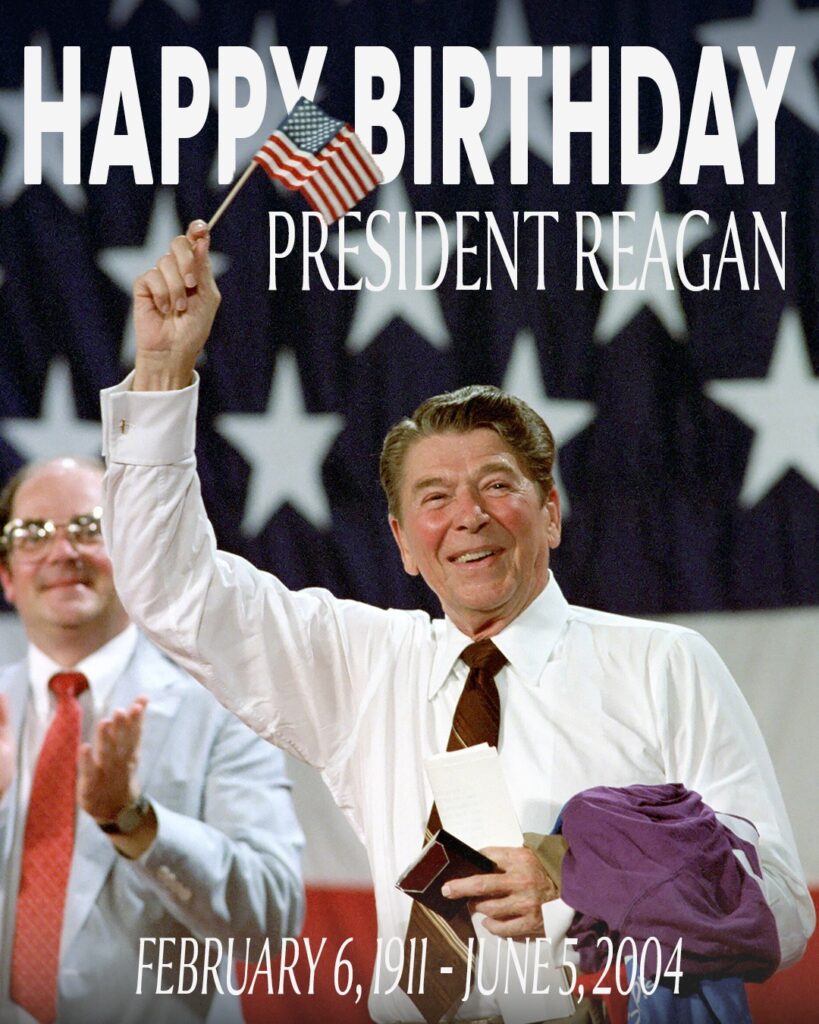
By comparison, policies of the Reagan Administration, most closely associated with Interior Secretary James Watt and the so-called Sagebrush Rebellion, were deemed extreme and unprecedented in their time (the 1980s). Still, they adhered to laws considered bedrock and inviolate. De-regulation proposals, driven by free marketeers, had to pass muster with three different—and independent— branches of government; navigate intense scrutiny by a Congress that was bi-partisan and overwhelming more moderate, withstand legal challenges in the courts, and tempered by the fact that the then-President was vigorous. He exercised and savored having contact with nature.
Reagan nominated people, including Sandra Day O’Connor, daughter of rural Arizona ranchers and an avid fly-fisher, to the US Supreme Court. He recognized that many things about public lands, as part of a shared citizen inheritance, were fragile, priceless and irreplaceable. As a sign of these times, observers say Ronald Reagan—were he a candidate today—would likely get primaried out of any GOP Red State race for Congress or governor.
Worth pondering is another question: if someone like Reagan would be considered too moderate by MAGA diehards to serve in office, then where would that position a self-touting Progressive like Theodore Roosevelt (who would lean further to Reagan’s left), and thus, what does it really mean for Zinke, who insists he is, on conservation issues, a TR acolyte?
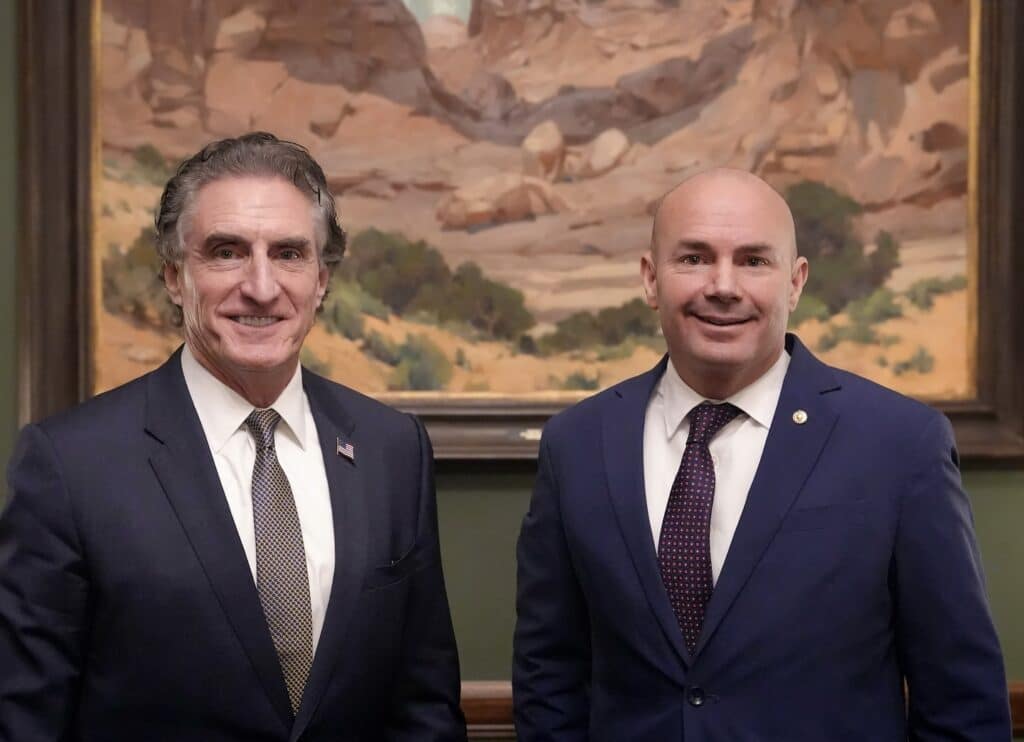
Rob Sisson, a Livingston, Montana resident, was for 10 years president of ConservAmerica, a national “center-right” conservation organization. On the ConservAmerica website, there is this statement: “ConservAmerica is committed to working with policymakers and stakeholders to build consensus around policies that can endure for generations, not just a single administration or Congress. To echo President Ronald Reagan, it is ‘our great moral responsibility’ to protect our shared environment for future generations.”
Sisson, who is a ConservAmerica consultant, says “conservation has no greater warrior than Ryan Zinke.” Beginning with the first Trump Administration, Sisson was selected by the President to be a commissioner serving prestigiously on the International Joint Border Commission that deals with environmental quality and trade issues affecting the shared 5,500-mile US and Canada boundary of land and water.
Under Sisson’s encouragement, ConservAmerica created the Roosevelt Conservation Caucus, which recently gave Montana’s US Sen. Tim Sheehy its Congressional Champions Award for his “leadership in promoting forest health” that involves implementing an aggressive regimen of thinning national forests allegedly to reduce the threat of wildfire. In 2024, Zinke was among the honorees.
Sisson, formerly mayor of a small town in Michigan, is a GOP loyalist and to him Zinke can do little wrong. All four members of Montana’s Congressional Delegation are Republicans and outspoken supporters of the President and his policies. US Sen. Steve Daines often boasts of having a close friendship with Trump. Three of Montana’s representatives on Capitol Hill are members of the Roosevelt Conservation Caucus, as is US Sen John Barrasso of Wyoming, US Sen. Lisa Murkowski of Alaska and US Sen. Lindsey Graham of South Carolina.
Not long ago, Sisson made a bold statement in the local Bozeman Daily Chronicle newspaper. Mentioning Zinke, Daines, Sheehy and Congressman Troy Dowling, he wrote: “No other person in Congress — Democrat or Republican — wears the mantle of Teddy Roosevelt better than our delegation.”
° ° ° °
No issue has inflamed the interests of Westerners more in recent decades than the threat to expunge hundreds of millions of acres of public lands, integral to the region’s mutual sense of belonging and shared identity. There’s something truly magical to be driving across the West on long road trips and encounter few “No Trespassing” signs on public lands—and to know you have a say in deciding their fate. But now, even that—the public’s democratic right to have its voice heard—is being deliberately muted.
Public comments, unless they affirm the Trump Administration agenda, are routinely dismissed. Actions being taken are exempt from rigorous public review and legal challenge. While some may call Zinke a warrior for conservation, members of Congressional delegations in the West have refused to host or show up at town hall meetings with constituents because they might turn disruptive— even though those same elected officials have attended lots of raucous MAGA rallies.
And, these days, it’s hard to keep track of the relentless deluge of administrative, executive and legislative actions coming down the pike on environmental issues, amid the hurricane of other public distractions, like the potential US takeover of Greenland, ICE-related killings in Minneapolis, sickening emerging details of the Epstein scandal and alleged maneuverings to rig upcoming elections.
Arguably, the largest expressions of resistance concerning the potential divestiture of public lands are not coming from lawmakers in Washington DC, but from citizens who are part of a massive groundswell. They span the political spectrum, speaking out loud and clear in opposing the persistent tactics of Sen. Lee.
But is Lee merely a distracting foil in a bigger plan? The groups most formidable in this battle are/were hunters and anglers. One prominent voice of national grassroots non-surrender has been sportsman and public land advocate Randy Newberg of Bozeman, Montana. Newberg hosts two of the most popular outdoor-oriented podcasts in the county, reaching many millions in recent years. He told me that in a time of profound social fragmentation like the present, the upwelling of common cause expressed for keeping public lands in public hands has been a rare, unprecedented expression of American unity.
Congressman Zinke does indeed figure squarely in the middle of an expanding shock wave, but it is much bigger—and more subtle— than the public land selloff issue itself. For unknown reasons, this was barely hinted at in the hagiographic treatment of Zinke by New York City-based reporter Wertheim. It’s patently obvious that Easterners, including journalists stationed there, do not grasp the magnitude of what’s at stake for the West.
What sets America apart in the world is not merely the presence of public lands, but that they exist as part of a national birthright—passed along as healthy assets— to present and future generations. Their persistence is the result of democratic participation across generations, re-enforced by laws, regulations, noble missions and the esprit de corps of agencies, science-driven management, and hard-fought protection of things that cannot be replaced.
What sets America apart in the world is not merely the presence of public lands, but that they exist as part of a national birthright—passed along as healthy assets— to present and future generations. Their persistence is the result of democratic participation across generations, re-enforced by laws, regulations, noble missions and the esprit de corps of agencies, science-driven management, and hard-fought protection of things that cannot be replaced.
Theodore Roosevelt was accused of being a traitor against his social class and the smug arrogance of Wall Street. He distrusted promotors of the unrestrained, unregulated free market and its monopolistic command and control impulses. He understood this at the dawn of the 20th century, if not before, as he witnessed the plunder of the so-called “frontier” and the West’s treatment by corporate Gilded Age titans as a natural resource colony there for the taking. In these days of historical amnesia, some politicians have adopted TR as their avatar to give them cover. Zinke is without rival the boldest.
A reminder of this arrived in my own mailbox in early December 2025. It came in the form of an oversized postcard sent to all of Mr. Zinke’s constituents in Montana’s First Congressional District that covers the western side of the state where the mountains are. I happen to be one of those constituents. In Montana, fourth largest state in the country, we have just two Congressional seats—one covering the west and the other spanning the mostly treeless wide open prairie.
The mailer proclaimed: “Congressman Zinke’s Misson: Defending Public Lands—Always.” Below those words were these that read: “Following the lead of Teddy Roosevelt, Congressman Zinke defended our San Juan Hill of public lands—blocking a massive sell-off—and won.”
By “won,” it’s not clear what he’s referencing. The battle to prevent public lands from divestiture does indeed allude to the one ignited by Sen. Lee and cohorts, but the conflict is far from decided. Zinke and a Democrat, Gabe Vazquez of New Mexico, co-authored a bill, the “Public Lands in Public Hands Act,” still moving through Congress, to prevent the first assault from happening. Still, just days after Zinke’s postcard arrived, Lee was back trying to quietly slip a new bill into an omnibus legislative package that would have allowed for some units of the National Park System to potentially be sold off.

Although that effort failed, too, there’s no indication Lee’s maneuverings within his own wing of MAGA will cease. His attempt echoes themes of land divestiture and many other far-reaching initiatives touted by the right-wing Heritage Foundation in its controversial Project 2025 document published before President Trump won a second term. Heritage’s initiative represents a wholesale ideological blitzkrieg to rewrite or eliminate regulations and weaken management authority of agencies in deference to the desire of extraction industries to exploit public lands. This is also what Congressman Zinke means in giving industry greater balance.
For decades, public opinion polls and surveys show consistent and overwhelming public support not for simply havingpublic lands, but conserving the natural wonders on them. There is not a single reputable poll that demonstrates widespread public support for the agenda of the Heritage Foundation or Lee.
Zinke is well aware of this, but so far his positions have evaded intense scrutiny. He dodges questions inquiring what the end game is, of what the West will look like in 20 years using a model for energy development inspired by boomtimes in Texas or Saudi Arabia.
As a candidate, Mr. Trump, witnessing the outrage expressed over the Project 2025 document, at first denied he was familiar with it and claimed he put little stock in its contents. But today it appears to represent a framework for the Administration and is currently in multiple stages of implementation. The chapter which lays out recommendations for the US Interior Department begins on page 517. It was written by William Perry Pendley, an attorney and Wyoming native born in Cheyenne, who served as acting director of the BLM during the first Trump Administration, was deputy secretary for energy and minerals alongside Interior Secretary James Watt during the Reagan Administration, and for years was president of the Mountain States Legal Foundation. Pendley is a controversial but shrewd expert of public land policy and has been a proponent of selling off some public lands. He and Zinke clashed over Zinke’s decision as Interior Secretary to cancel oil and gas drilling permits in an area of Montana called the Badger-Two Medicine, sacred land to the Blackfeet (Amskapi Pikuni) and located next to the boundary of Glacier National Park and not far from Whitefish where Zinke grew up.
In 2017, just after he was sworn in as Interior Secretary, Zinke gave a speech before the energy industry. He suggested that public employees—30 percent of employees at Interior who dared question his insistence that American public lands be used foremost to achieve global “energy dominance”— were “disloyal to the flag.” In other words, civil servants were accused of being not patriotic, but expected to swear allegiance to what, to whom?
Zinke claims he is running on “his record as a conservationist,” but he cannot run from his past or escape associations he’s cultivated. In 2017, just after he was sworn in as Interior Secretary, he gave a speech before the energy industry. He suggested that public employees—30 percent of employees at Interior who dared question his insistence that American public lands be used foremost to achieve global “energy dominance”— were “disloyal to the flag.” In other words, civil servants were accused of being not patriotic, but expected to swear allegiance to what, to whom?
Around the same time, he gave a speech at a Heritage Foundation event. Not long after, the Heritage Foundation boasted that the first Trump Administration, which included Interior and land management agencies under its command like the National Park Service, BLM, Fish and Wildlife Service, and Office of Surface Mining and Enforcement, among others, had over 70 former Heritage Foundation staffers working in the Administration transition and policy setting teams. At the dawn of 2018, the Heritage Foundation proudly published a story on its website that read “Trump Administration Embraces Heritage Foundation Policy Recommendations.”
Many attempts at implementing the Heritage Foundation agenda were unsuccessful during Trump’s first tenure in The White House. But now, vowing not to be deterred and squander another, perhaps never-again opportunity—and with the executive, legislative and judicial branches of US government in perfect and total partisan alignment—former barriers are removed.
If one wants to see an example of the implications of brazen tactics, reflect upon the chaos sown by the newly-created then apparently mothballed Department of Government Efficiency. Anonymous DOGE agents fired or drove thousands of employees out of land management institutions, started to implement budget cuts that gutted their ability to perform their conservation duties, including carrying out science, and aimed to facilitate a lobsided shift to prioritize, outside national parks, multiple use activities that previously were held in check. Again, though the Trump Administration claims that America’s output of fossil fuels was stymied by tree-hugging partisans, the record of volume of oil and gas produced tells a different and more nuanced story.
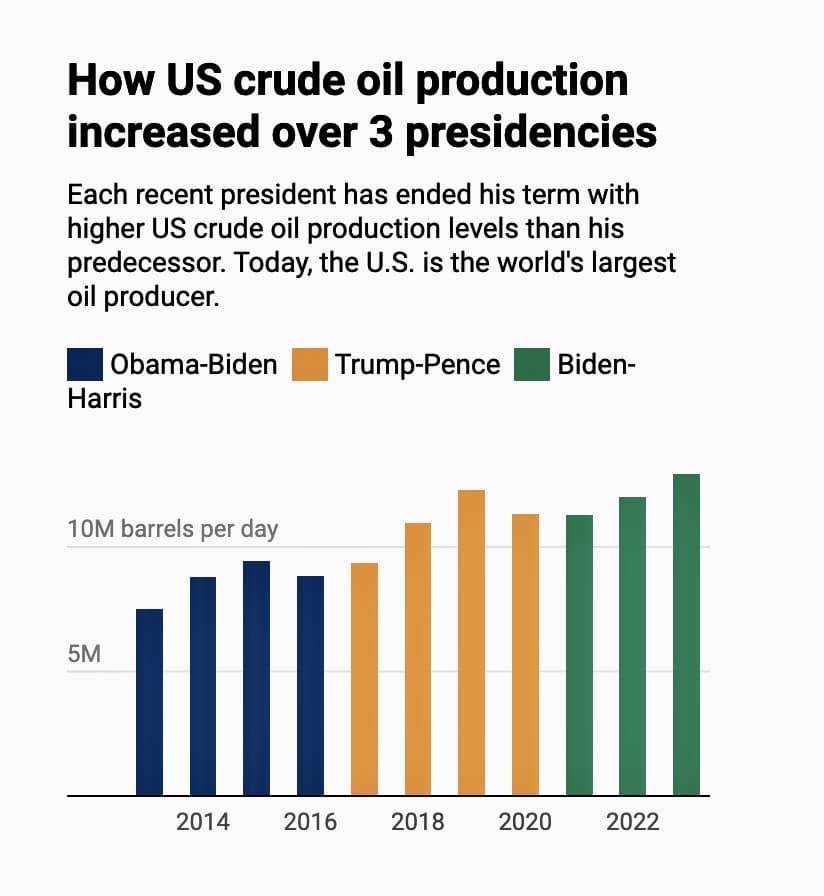
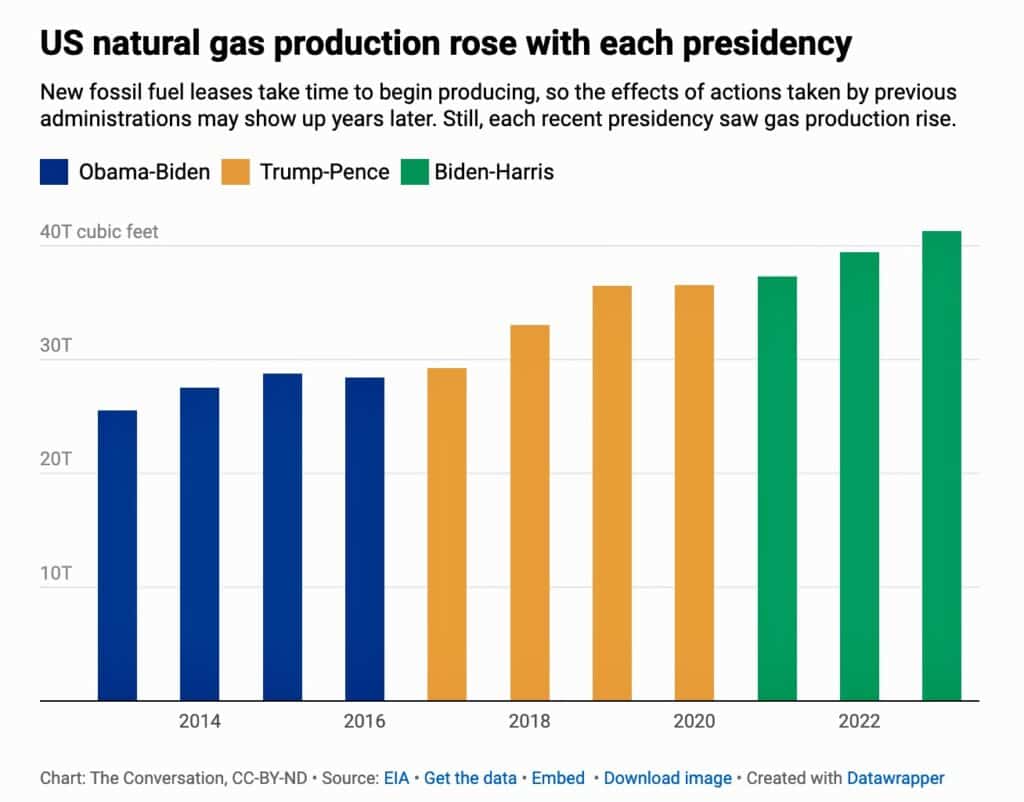
Key advisors providing counsel to the Trump Administration today are natural resource extraction industries, anti-government, anti-regulation allies and a few influential, self-described free-market/libertarian environmental think-tanks. Some have implied that by selling off public lands and treating them as money machines for extractive industries, from energy to mining to timber, the national debt can be retired and that the affordable housing crisis will be remedied. Apparently, few have read the parable of The Lorax.
Even though Zinke and some of the free marketeers say they adamantly oppose selling off public lands, there is a thin line between that, and allowing favorite industries to privatize them, in a de-facto way, with the government issuing various kinds of permits and leases to private users. Here’s how that has sometimes worked: agencies grant oil and gas companies permission to drill in sensitive areas important to wildlife that should never be leased, then public interest conservation law firms sue successfully to stop it, then free marketeers claim that the leases, now a property right, need to be bought out to prevent industry from doing harm. To top it off, conservationists are then labeled radical, extreme obstructionists even by right-wing hunting organizations ostensibly devoted to habitat protection.
The takeover of federal agencies includes enabling private companies to become contractors replacing government services, including scientific review of proposed resource extraction, and/or replacing civil servants devoted to the conservation mission of their agencies with temp contractors hired to expedite industrial activity.
The Project 2025 document—think of it as a kind of free-market dream—is cloaked in sanguine-sounding rhetoric. Examples of this advanced by Heritage Foundation allies is that by gently tweaking the Endangered Species Act “using common sense,” and blithely giving greater deference to natural resource extraction, the supremacy of property rights that more species will be recovered. This thinking includes paying—i.e. incentivizing— industries not to pollute or destroy habitat rather than preventing them from doing it through regulation.
In 2026, ConservAmerica released a report titled “Powering America Through Endangered Species Reform” that casts aspersions at groups using litigation to bring listing of species or to halt development projects. The group says it led to energy infrastructure projects being delayed or stopped, costing companies billions of dollars in expenses and potential lost revenue. A high profile example it mentions is the Biden Administration halting the 1,179-mile (trans Canada-US) Keystone XL Pipeline, which met with fierce protests from Native Americans where it crossed the Standing Rock Reservation.
Better alternatives, ConservAmerica says, are partnering with companies to define critical habitat for species in peril, devising the best plans possible for reducing accidental take (loss) of individual animals due to development activity, giving landowners tax credits for protecting species on their property and not penalizing landowners if they admit an imperiled species is present.
In some cases proceeds from development, they say, could by directed back into land conservation or restoration. These are innovative examples of how free-market thinking could work and similar ideas have been floated for years by the Bozeman-based Property and Environment Research Center (PERC) which says its achieves conservation outcomes through market approaches based on property rights. PERC has a close relationship with Interior Secretary Burgum, Zinke, and US Sens. Steve Daines and Tim Sheehy who, until he became a candidate, sat on the PERC board of directors.
Several lawmakers have advanced bills incorporating PERC’s ideas. Authors of the legislation insist they are trying to “improve,” “modernize,” “strengthen,” and make Endangered Species Act protections more flexible and ultimately result in having a lot more species recovered. But will they, really?
“These actions reaffirm our commitment to science-based conservation that works hand in hand with America’s energy, agricultural and infrastructure priorities,” says US Fish and Wildlife Service Director Brian Nesvik, formerly director of the Wyoming Game and Fish Department where active personnel are afraid to speak publicly about worries energy development will harm the prospects of sage grouse and migration corridors.
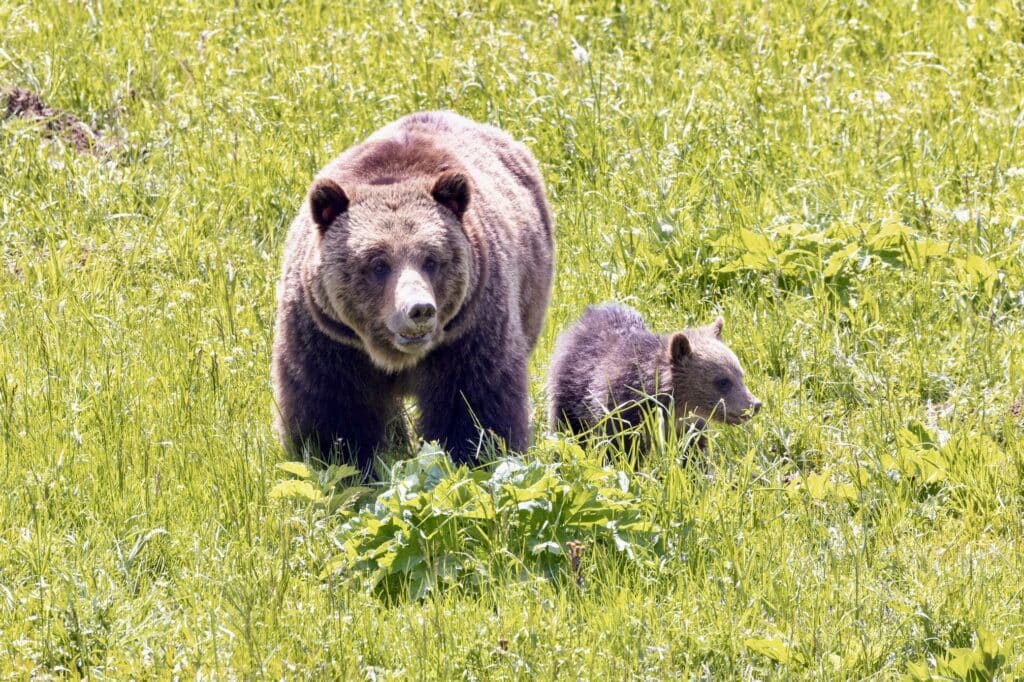
Most of the bills and reinterpretations of the Act being implemented by the Trump Administration also throw up roadblocks and impose conditionality on how species can be listed. Again, words like “balance” are invoked but a net effect is that, by emphasizing or exaggerating the economic impacts of recovering a species, and having to acknowledge its habitat needs, an imperiled species then is treated as not necessary worth saving and only as a burden on human prosperity. Every one of the revisions provide more legal justification for individuals or industries to block listing, making it highly unlikely that under the “improved and strengthened” reforms of the law, grizzly bears and wolves in the Northern Rockies would never have been rescued, let alone listed.
“Their so-called reforms are only thinly-veiled attempts to weaken the Act,” says Tim Preso, senior attorney with the environmental law firm EarthJustice. He says the law isn’t broken nor in desperate need of fixing, but that lawmakers have chronically underfunded the US Fish and Wildlife Service that has jurisdiction over listed species.The marriage of the Trump Administration and free market ideology, present in attempts to weaken regulation on behalf of industries, shows the true motivation of those claiming they want a “better” law. “Forty percent of the species on Earth are in decline because of growing human pressure. The ESA offers formidable protection for wildlife at a time when it’s most needed, especially with what we’re facing now,” Preso says. “The fact we have grizzlies and wolves today at all in the West isn’t evidence of the law not working.“
Contained in the ConservAmerica report are examples of dozens of exploration, pipeline, transmission lines, coal mines, roads, pad sites and energy processing facilities that, if Endangered Species Act reform occurs, could be more easily greenlighted. Whether energy development at the scale being proposed by the Trump Administration can prevent, minimize and mitigate harm to wildlife and water, as claimed, remains to be seen.
One aside important to note: ConservAmerica in its early days was at the forefront of discussions in the Republican Party to take action on climate change and recognize the validity of the science. Its allies included Zinke and US Sen Lindsey Graham who along with his late friend, US Sen. John McCain recognized that reducing carbon emissions now was imperative in giving future generations a more livable world.
In 2009, Graham penned an op-ed with US Sen. John Kerry titled “Yes, We Can Pass Climate Change Legislation.” “First, we agree that climate change is real and threatens our economy and national security. That is why we are advocating aggressive reductions in our emissions of the carbon gases that cause climate change,” they wrote. “We will minimize the impact on major emitters through a market-based system that will provide both flexibility and time for big polluters to come into compliance without hindering global competitiveness or driving more jobs overseas.”
But their baseline of position, once informed by science, has shifted. Why?. In the case of Zinke and Graham, their dramatic shift to bolster energy production through the burning of fossil fuels is today in full throttle, when there is more evidence than ever to support action to cut emissions. What does this suggest about their scruples?
The Department of Government Efficiency got a running start in cleaning house of perceived disloyal federal employees who mistakenly believed they worked for the American people. Even though the shadowy tenure of DOGE was short, Project 2025 calls for “reforming” and “streamlining” other longstanding environmental laws, shaking up land management agencies, consolidating them with new stronger resource extraction mandates, and currying more favorable conditions for coal, oil, gas, mining, logging and others, enabling them to proceed faster with much less scrutiny and/or legal hurdles.
The Center for Western Priorities, which calls itself a non-partisan conservation and advocacy organization, recently released an analysis which found that, to date, the Trump Administration “has implemented, or begun to implement, over 80 percent of actions pertaining to public lands recommended by Project 2025.”
° ° ° °

Senator Lee’s tenacity in pushing to divest federal public lands is nothing less than unprecedented in US history and audacious, but no less so, arguably, than someone like Congressman Zinke presenting himself, metaphorically speaking, as a reincarnated version of Theodore Roosevelt. One might think Zinke has won a glowing endorsement from the namesake of his hero, Ted Roosevelt IV, great grandson of the President. TR IV is a lifelong Republican, investment banker, hunter, angler and hiker, lover of public lands, former trustee of The Wilderness Society and a man persuaded by the science of climate change. Always gracious, he, however, believes “The Old Lion” would not be roaring approval of Zinke. [More on that in the second part of this series].
There is little doubt that the original TR, in his no-BS feistiness, would have plenty to say about Project 2025, which also takes aim at limiting use of the federal Antiquities Act, a maneuver pioneered by Roosevelt, to create new national monuments on public lands to protect them from intensive resource extraction.
Roosevelt’s public lands legacy—Google him, young people, especially on the Left if you’ve already impetuously canceled him— is as a plucky, cocky, forerunning conservation-minded US President whose reputation was built upon several consistent convictions: treating the motivations of large companies with vigilant suspicion, defending public lands; protecting public wildlife; preserving public forests from ruination by timber companies, and guarding public waterways against destructive contamination.
Eminent historian Douglas Brinkley, celebrated for his perspective on the conservation movement, wrote an acclaimed book titled “Wilderness Warrior: Theodore Roosevelt and the Crusade for America.” Brinkley bestows many accolades on TR and, in referencing his consistency, writes that “from the beginning to the end of his presidency, Roosevelt, in fact, did far more for the long-term protection of wilderness than all of his White House predecessors combined.” By “wilderness,” Brinkley means lands that are untrammeled, ecologically healthy and not overrun or blighted by the human world. Maybe the most important aspect of Roosevelt, pointed out by Brinkley, is that TR bucked the establishment. He was no toady to his own party, the GOP, and certainly would not count himself as a member of MAGA.
Since it is Zinke himself who readily courts comparison to TR, a handful of issues provide a lens for assessing his conservation record. It is not a scorecard like the one compiled by the League of Conservation Voters which historically has been closely aligned with the Democratic Party. But public land issues pertaining to wildlife, the habitat it needs and essential to hunters, anglers, and outdoorspeople.
The intent of the Yellowstonian analysis, in the next story, is not to draw a qualitative contrast between Republicans and Democrats, but identifies differences between what might be a substantive, consistent and sincere Rooseveltian approach to conservation vs. one that departs from TR’s ideals. Readers can determine for themselves whether Zinke is a true acolyte. Facts matter more than partisan tribal allegiance. Read the letter than four prominent descendants of Theodore Roosevelt wrote in response to an attempt made to open headwaters of the Boundary Waters in Minnesota to a controversial copper/nickel mine. Zinke played a key role in trying to override a mining ban on behalf of industry. The letter from the Roosevelts serves as a scathing rebuttal.
° ° ° °
Now, before we head toward the end, it’s essential to highlight another bit of context missing from Wertheim’s mentioning of Zinke in the 60 Minutes piece. This is a crucial detail that, no doubt, will be met with jubilance from MAGA adherents. Not trivial, it speaks in part to why Democrats own responsibility for being swept out of power in 2024. It concerns their own dysfunctional tribalism, and an inability and stubborn refusal to grasp why prevailing fracturous identity politics and naïve thinking about immigration on the border, left millions of Americans in the cultural and geographic middle of the US alienated. With regard to rural states in the West, the Democrats’ and their outside consultants’ inability to see how voters here are different from those in New York and California, only turned these interior states more red. Their miscalculation became a crushing liability for moderate incumbent US Sen. Jon Tester in Montana, a Democrat, who lost a race that, in ordinary times, he probably might have won.
Zinke was elected to two terms in Congress beginning in 2014. Then, as Interior Secretary during the first Trump Administration, he literally rode through Washington DC on a horse named Tonto to mark his first day on the job. Soon afterward, he became the relentless target of around 18 federal investigations. The vast majority of those probes turned out to be, in the eyes of many, opportunistic partisan attacks lacking sufficient evidence for Zinke to be successfully prosecuted or that warranted serious reprimand.
Zinke does not always conduct himself with decorum. During that span, he demonstrated that he and his handlers can be as dogged as his antagonists, one of whom was the late Congressman Raul Grijalva of Arizona, then Democrat majority chair of the House Resources Committee. Grijalva called upon Zinke to resign from Interior. In response, Zinke went on social media and openly called Grijalva “a drunk.”
With regard to many of the accusations against Zinke, it was not lost on objective observers that Democrats over the years have had their fair share of engaging in activities that blur ethical boundaries. Prima facie evidence is Hunter Biden and controversy surrounding the pardon he received from his dad. Nonetheless, Zinke said the multitude of attacks levied at him became a major distraction, preventing him from doing his job at Interior. He did resign from his cabinet post two years in— after incurring huge legal bills to defend himself.
A backlash ensued, in his favor, based on the perception in Montana that he suffered unfair harassment and persecution from partisan Liberals. It helped catapult a comeback into politics. He won his current Congressional seat in 2022, and got re-elected in 2024 with 53 percent of the vote compared to 44 percent tallied by his challenger, Democrat Monica Tranel. In their 2024 rematch, Zinke gleaned a higher percentage than in his first contest with Tranel.
Zinke has staked his credibility on his ability, allegedly wearing a straight face, to ride the coattails of TR. Neither man qualifies as a saint, both emanate complications. “Roosevelt was conflicted. One side of him conveyed a swaggering machismo, enthusiasm for firearms and big game hunting, military valor and glory, racist colonialism, and the need to extract resources and not cry over the loss of natural beauty,” says the historian Mark Fiege, who recently retired from the Wallace Stegner Chair in Western American Studies at Montana State University.
Fiege adds, “And then there was another side to Roosevelt, a more sensitive side that he expressed in surprising ways. When he was a young man, he wanted to become a nature writer, not a politician. He liked birds, and he excelled at identifying birds by their calls, an excellent skill for a guy with such poor eyesight, and he opposed their wanton slaughter. Then there’s the famous meeting he arranged with John Muir, whom he admired, in Yosemite. Or consider his pathetic anguish and unrestrained grief over the loss of his son, Quentin, in aerial combat over France, which absolutely contradicted his war-mongering. That side of him doesn’t sound like someone with a double-barrel-shotgun masculinity who only values things that can be ‘used.’ The problem with Zinke is that he wants to align himself with the mystique of the macho Roosevelt and then wants us to believe that is all that is required to conserve our wildlife, our undeveloped wilderness lands, and our natural resources.”
Lots of people want to appropriate Teddy. As governor of North Dakota, Burgum in 2024 attended a ceremony to mark the forthcoming opening of the Theodore Roosevelt Presidential Library and Museum in Medora, North Dakota, headquarters of Theodore Roosevelt National Park—a place where TR credited the natural peace with igniting a fire for stewardship and purpose inside of him. The facility is scheduled to open on July 4, 2026, coinciding with the US 250th birthday celebration. For it to be located on the edge of a national park is poignant, so too is the fact that in the nearby Little Missouri National Grasslands, 90 percent of the land has been leased for oil and gas development. Over 8000 wells have been drilled in the Bakken Formation. The National Park Service had to produce a special advisory to let concerned visitors, expecting to find soothing tranquility on the horizon, know what was happening when they instead encountered the sight of drilling rigs, gas flares, noise, dust and light pollution drowning out the night sky. Watch this short video, produced by Theodore Roosevelt Park, which deserves credit for talking about the tough choices.
Fiege believes that Roosevelt in his marrow became a defender of public lands, where artificial lines of preservation and conservation defied artificial boundaries. Despoilation and protection could not exist side by side without the essence of one being lost.
° ° ° °
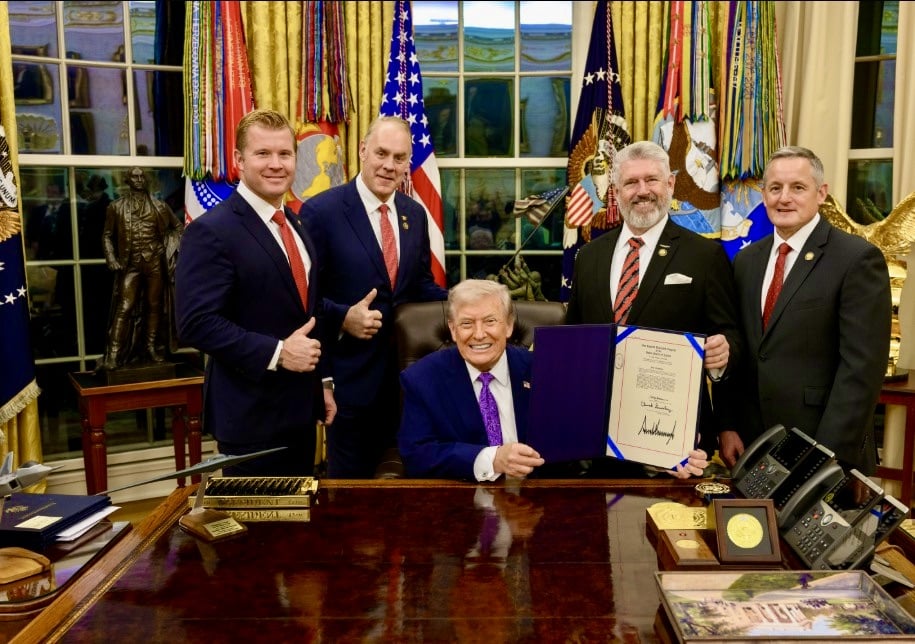
So, is Zinke burnishing the reputation of his idol; is he a Teddy Roosevelt for the 21st century?
In May 2025, the Theodore Roosevelt Conservation Partnership, a right-leaning conservation group, honored Zinke with its James D. Range Conservation Award, named after the late co-founder of that organization. The honor recognized Zinke’s efforts in halting Lee’s giveaway of federal public lands and, according to TRCP, for guaranteeing that quality places will exist for citizens to hunt and fish.
In receiving the award, Zinke said, “Growing up as a Boy Scout in the Flathead [valley of Montana], one thing was instilled in me over and over again: you pack out what you pack in, leave campsites cleaner than you found them. That lesson, combined with the North American Conservation Ethic, guides my policymaking to ensure the next generation can hunt, fish, and hike in the same magnificent landscapes we did.”
He added, “Hunting and fishing are the backbone of wildlife and habitat conservation. I’m honored to accept this award, and I want to thank the colleges, conservation groups, and local stakeholders who’ve offered expert advice and support throughout my conservation efforts. Protecting public lands, migration corridors, and public access aren’t red or blue issues; they are red, white, and blue issues, and we must continue to work together to preserve what makes Montana so special.”
In application, as it works in the real world, many would argue Zinke has it backwards: wildlife and habitat conservation are the backbone of hunting and fishing. Without habitat, healthy wildlife populations do not exist and therefore there would be not hunting and fishing. I knew Jim Range, interviewed him for a book I wrote about Ted Turner and for a couple of newspaper and magazine stories.
Range, a lifelong Republican and chief legal counsel to Senate Majority Leader Howard Baker, a Tennessee Republican, was best known for building political bridges yet he fearlessly held fellow conservatives to account. He was a defender of environmental laws and the nation’s wetlands and he, like TR, wasn’t afraid to take on his own party. Range helped persuade President George W. Bush to stop a plan to drill for energy along the Rocky Mountain Front of Montana and block efforts to rewrite the Clean Water Act at the behest of industry and big agriculture.
Observers say TRCP’s honors bestowed on Zinke were premature, the same as Barack Obama being given a Nobel Peace Prize simply for winning an election. Critics today question whether Zinke is really a champion of habitat-based hunting and fishing and if he is in the same league as Range was, is he willing to say no to a President whom he believes is doing wrong by the environment.
Counted among the incredulous is former Yellowstone National Park Supt. Mike Finley, who was also the superintendent of Everglades National Park where he worked with President George H.W. Bush in advancing restoration of that famous Florida wetland after decades of abuse by the powerful sugarcane industry. Finley also was superintendent of Yosemite.
A lifelong hunter and angler, Finley, in what was supposed to be his retirement years, was tapped to be chairman of the Oregon Fish and Wildlife Commission which oversees wildlife management in the state. Most notably, between his tenure in the National Park Service and returning home to his boyhood town of Medford, Oregon, he had a long stint as president of the Turner Foundation (founded by the legendary American businessman, bison rancher, hunter, angler and conservationist).
When Finley retired from the Park Service in 2021, it was a Republican Congressman, Jerry Lewis, from California, who, on the floor of the House of Representatives, lauded Finley’s “dynamic leadership.” He was awarded the Interior Department’s Meritorious and Distinguished Service awards. And it was Finley, and his dear friend, Jim Range, and a few others, in consultation with Ted Roosevelt IV, who initiated creation of the Theodore Roosevelt Conservation Partnership. The Turner Foundation provided crucial seed money, seeing it as a strong voice for hunting and fishing. Finley says.
Finley believes the fawning treatment Zinke is receiving from certain conservation groups is a mistake. He says it perpetuates the notion that Zinke should be held with the same esteem as Roosevelt and Range. But those portrayals, he says, appear to have only emboldened his contradictions, and ought to warrant intense public scrutiny because Zinke, he says, is using them as cover.
Can a tiger like Zinke change his stripes? Flashback to 2017, when then- and now former president of the Theodore Roosevelt Conservation Partnership Whit Fosburgh offered this assessment of Zinke months into his stint as Interior Secretary after TRCP earlier endorsed his nomination as cabinet secretary. “Zinke has been a disappointment,” Fosburgh told The New York Times. “His first meetings were with the sportsmen’s community, and we were encouraged that he would be great — or at least someone we could work with. Since that time, it’s been nothing but rolling back conservation.”
Early in Zinke’s tenure at Interior, historic Brinkley offered a luke warm yet arguably favorable critique of Zinke to Grist. But within months, Brinkley’s assessment had turned harsh after Zinke kowtowed to the energy industry and pushed to reduce the size of national monuments on BLM lands. Brinkley suggested in a subsequent op ed for The New York Times that Zinke ought to entertain what real conservation looks like through the eyes of writer Edward Abbey.
“If Zinke would read [Abbey’s] “Desert Solitaire,” hike Comb Ridge and the Grand Staircase–Escalante as Abbey regularly did, run the awesome San Juan River around Slickhorn Canyon, or camp under the lonely sky of Cedar Mesa, he might undergo a miraculous awakening and push Trump to rescind his reckless executive orders — but that, of course, is unlikely,” Brinkley wrote. “Instead, Zinke behaves like an errand boy for the coal and petroleum industries, a faux cowboy who made his showboat debut as interior secretary by riding a horse to his first day in office, where he got right to work [metaphorically] ransacking national monuments and pillaging Native American shrines, all to further the president’s war on America’s natural legacy and ingratiate himself to Utah’s quick-dollar Senator Orrin Hatch.”
Finley says the Trump Administration’s energy dominance agenda is retrograde approach to land stewardship. By supporting rescinding of the Roadless Rule, by advocating to open up coastal areas and the Arctic Refuge to drilling, by denying climate change that is going to bring huge challenges to wildlife habitat and water, from wild mountain sheep to trout, by staying silent as the BLM lets energy development encroach upon Wyoming’s precious ungulate migration corridors, by saying nothing when DOGE wreaked havoc on the Park Service and Forest Service, Finley says Zinke is an accomplice to destruction Roosevelt would never have abided.
It’s a curious thing for a member of Congress, a former commander of special forces to, on the one hand, be beating one’s chest and with bluster claim to be a reincarnation of Roosevelt while, on the other, evading accountability to citizens who, as patriots and defenders of the natural homeland, have legitimate questions about the actions of their government.
“I’ve had the good fortune of knowing a lot of Republicans; people elected to office, people in business and working for different Administrations. Their commitment to conservation was rock solid. When the time came for them to do what’s right for the environment and the future of this country, they never flinched,” Finley said. “If Ryan Zinke is the very best Republicans have on the bench, and we’re being expected to put our blind faith in his conservation instincts, then we’re in trouble.”
Montana historian Fiege offers this perspective: “Roosevelt came down on the side of using resources for the public good—and he meant public good in a much larger public sense. He did not conflate accommodating the greedy motivations and short-term interests of the wealthy and corporations with serving the public good. He didn’t sell himself out,” Fiege says. “I’ll be goddamned if people claim that what Trump is doing right now, using public lands to help deliver profits for billionaires, is serving the public good. In the portrayal of himself as a person guided by the ideals of TR, Zinke is aligning himself with a superficial symbol, a twisted and false mystique, but you don’t have to go far to see how his values depart from the real Roosevelt in the context of the resource conflicts of the early twentieth century. The differences between the two men are there for all to see. He’s not fooling anyone.”
Fiege says Zinke can redeem himself and compile a record worthy of comparison to Roosevelt, “but he needs to be like the actual Roosevelt, not a caricature of the conservationist-president.” Either way, history will remember the choices he makes, and history, Fiege adds, can be a harsh or kindly critic.
° ° ° °
EPILOGUE: As research for this story was being completed, I spoke with a longtime friend, a confidante who has spent decades on Capitol Hill working as a successful policy specialist on conservation issues with different Administrations and compositions of lawmakers and staff in Congress.
He said this about Ryan Zinke:
“What he did for public lands took guts. The letter he and four others, including Congressman Mike Simpson [of Idaho] wrote to Mike Johnson [Republican and Speaker of the House], vowing to block passage of budget reconciliation [the One Big Beautiful Bill signed by Trump] unless public land divestiture got removed, was more important than any attempts made by anyone on the Senate side. And for that, Zinke made an enemy for life out of Mike Lee whom, I’m told, is pissed and poised to exact a pound of flesh in revenge, by holding conservation measures put into future budget bills, hostage.”
He continued, “For me, I’m not going to say Zinke is a fraud, but he is not a savior. One heroic act does not a reputation build. He ought not to be put up on a pedestal. He needs to be called out on his crap, some of which is letting incredibly bad things happen that he knows are bad. Others involve him leading the charge on bad things, like grandstanding in the House to overturn the ban on mining near the edge of the Boundary Waters wilderness in Minnesota. What dog does he have in that fight, to assert himself into something that is so obviously and egregiously wrong for conservation?”
He added, “The public land fight gets all the attention. But I’m more concerned about all of the other things not getting attention they deserve, like the hollowing out of land management and other agencies. All of the accrued institutional knowledge, that allows agencies to function effectively, is getting erased or purged. The Forest Service has lost 32 percent of its workforce. The consequences of the hostile work environment has driven out many of the most competent people, people who gave decades of their lives to these agencies, but people can’t deal with the trauma being inflicted by this Administration. Is this good government? DOGE may be gone but there are plenty of embeds carrying out what DOGE started. Conservation as we’ve known it is being set back at least a generation.”
I asked him: “What’s the end game, then, that the Administration, its compliant lawmakers and the free marketeers pushing the agenda have in mind—and what will our public lands look like in 20 years?”
“Twenty years? Ha! No one is thinking about the consequences that far ahead because they know they won’t have to answer to them,” the veteran insider said. “As they shred regulations, the questions they are asking is how can they or industries they represent most benefit now? Motivations are purely transactional, reflecting the attitude of an Administration that has run amok. I’ve never seen anything like this. It’s not sad; it’s heartbreaking.”
° ° ° °
Coming up next: more stories on where Zinke stands as an espoused Teddy Roosevelt conservationist on wildlife habit protection issues that matter to hunters and anglers. Keep checking back.