By Dan Stroud
I remember attending a meeting sometime in the mid 1980s that was held in Cheyenne, state capital of Wyoming. The focus of the public gathering was turning the management of the Wyoming Game and Fish Department over to the legislature. I can’t remember the size of the room or how many people were there, but it was packed with dissenters. At that time, folks realized that the Game and Fish Department was one of the best in the nation, if not the world.
We were wildlife advocates back then. What that meant was using the best science available in our decision making. Not long after that, the department developed a habitat program. They took people off the “postage stamp” habitat areas they were managing and scattered them across the state to work with private, state, and federal agencies on habitat management. That effort was successful initially and relied on the use of the best science to solve wildlife issues across the various land jurisdictions.
Unfortunately, it also started creating animosity towards the program across the state, in particular when it came to the management of public lands. It also started creating problems internally, as many across the state were accustomed to the regional Game and Fish supervisors making the decisions that affected their local counties.
Shortly after the purchase of the Kirk Inberg-Roy Habitat Area near Dubois, Wyoming, our habitat folks were called to a meeting on that very habitat area. The purpose was to divide the habitat program and its people, taking away much of the decision-making. The personnel were also to be placed under the regional supervisors of both divisions rather than being supervised out of Cheyenne. That way they could control our efforts at a local level. In actuality it also took away a lot of the science and replaced it with what locals with vested personal interests wanted in the way of wildlife habitat management, reducing the science that was previously prevalent in habitat efforts.
Prior to that, our habitat folks were educated in many arenas—ecology of the state’s vegetation systems perhaps being one of the most important. Where I worked in southwest Wyoming, at the southern end of the Greater Yellowstone Ecosystem, we were taught fire ecology, vegetation ecology and the overall working of systems ranging from the salt desert plants to the tall forb communities in the Wyoming Range and alpine communities of various mountain ranges.
Since that time the emphasis of the Wyoming Game and Fish Department has undergone many changes. The agency transformed from a “wildlife advocacy” position which focused on what is best for wildlife using science to one that, in my opinion, caters to Wyoming’s people. Now, from a wildlife perspective, this was not the best, but from a people perspective it favored having people make the decisions for us in the department, thereby arguably making the majority of the state’s citizenry happier.
“There aren’t enough people any more fighting for what is best in the way of land and wildlife management. This is even more true on public lands.”
—Dan Stroud, former wildlife range specialist with Wyoming Game and Fish
We now have a department whose agency heads serve at the discretion of the governor. The governor also appoints “citizen groups” to oversee the difficult decisions. While these “groups” have input from professional wildlife folks, none of the professionals serve to make any of the decisions. This is apparently what the citizens of the state want. But is it,really? Unfortunately, this approach takes a lot of the science out of the picture and has shown to be not always best for wildlife resources. It also has taken a lot of the “advocacy for wildlife” out of the hands of the department and places it into the hands of the states’ citizens with vested interests in land management outcomes that are not good for wildlife habitat.
I see similar efforts in other state agencies across the nation as well, including neighboring Montana and Idaho. In Montana, the legislature gave management authority over Yellowstone bison coming into the state to its state Department of Agriculture. More recently, Montana Gov. Greg Gianforte named a rancher, Christy Clark, to serve as the state’s Department of Agriculture director and then promoted her to oversee the Montana Fish Wildlife and Parks Department. One of her assignment priorities is getting grizzly bears removed from federal protection under the Endangered Species Act, in part to placate the desires of ranchers.
Is she the most qualified to manage public wildlife? Whose interests is she most representing?
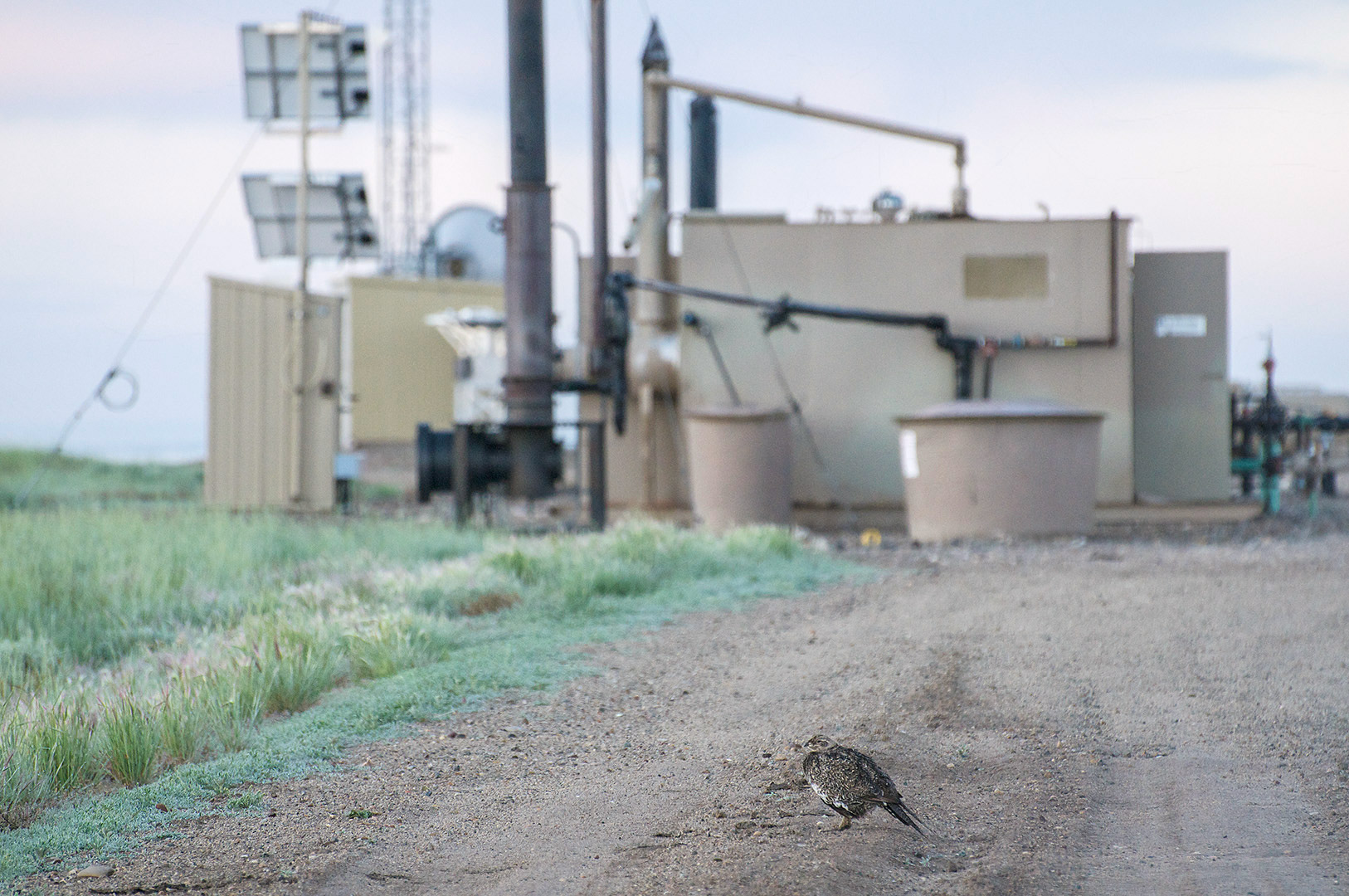
We seem to prefer what is allegedly better for the people than what is better for our wildlife and our wildlands. I never considered myself a “protectionist.” That is, until I served in an interagency office designed to oversee and spend funds derived from intensive gas drilling in the Jonah Field. As I remember that was to the tune of $24.5 million. When it comes to politics in wildlife management that was the “best example” I ever witnessed. Unfortunately, it cost me a lot from a personal perspective, but I won’t go into that here.
I guess what bothers me about this, and it is prevalent in the current administration, is there aren’t enough people any more fighting for what is best in the way of land and wildlife management. This is even more true on public lands. So true of many of our nation’s efforts, political decisions are not necessarily the best way of solving problems.
Instead, it’s more about making people who have the money and power happy. The people of this great state need to decide what is best for those resources we have grown to love and stand up for them.. We need to better listen and understand the issues at stake and the science that gives us the best informed data to arrive at better decisions on those issues. We need to go back to being a state and country that truly cares about its turf, wildlife and people and uses the best possible information in all of our problem-solving efforts.
If a state wildlife department is not advocating strongly for wildlife, representing citizens who believe it’s an important part of why they live there, then what’s the point of its existence and who in state government is?