by Todd Wilkinson for Yellowstonian
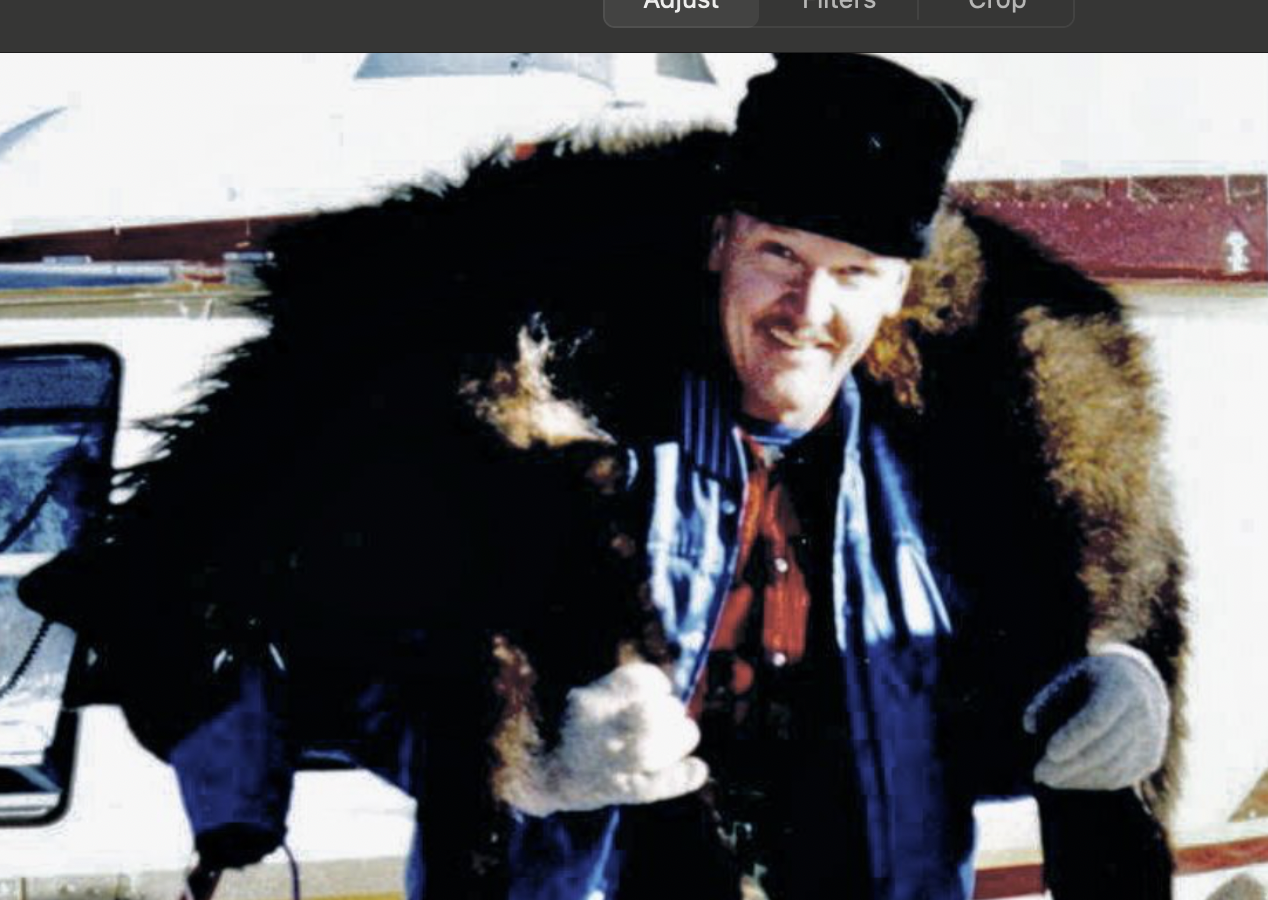
From day one and even before, Carter Niemeyer had a front row seat, as witness and participant, to the restoration of gray wolves in the American West. It’s been called one of the greatest wildlife comeback stories in history.
Niemeyer literally helped capture wolves elsewhere and reintroduce them to the Northern Rockies. As a trapper and depredation expert, he killed wolves in order to keep peace and reduce conflict in cattle and sheep country. In recent years, he also has attracted threatening flack from ranchers for saying losses of livestock taken by wolves are often exaggerated.
After he retired from government service, which included stints with Wildlife Services and the US Fish and Wildlife Service, he authored two books, Wolfer and Wolfland, and he’s been enlisted as a consultant on wolf issues in the Pacific Northwest and recent wolf reintroduction in Colorado.
Now, in the 30th anniversary year of wolves returning to Yellowstone, he has a new book The Other Ten Wolves: A Yellowstone Backstory that reveals one little known aspect of wolf recovery in America’s oldest national park, never recounted before in book form. It involves a group of wolf pups, members of “the Sawtooth Pack” that were brought to Yellowstone after their parents had been killed by ranchers along the Rocky Mountain Front near Augusta, Montana. Part of the overall experiment to establish a viable population and one that would first take hold in America’s first national park, the young Sawtooth wolves were brought in to Yellowstone to offset wolves that were leaving the park or getting killed.
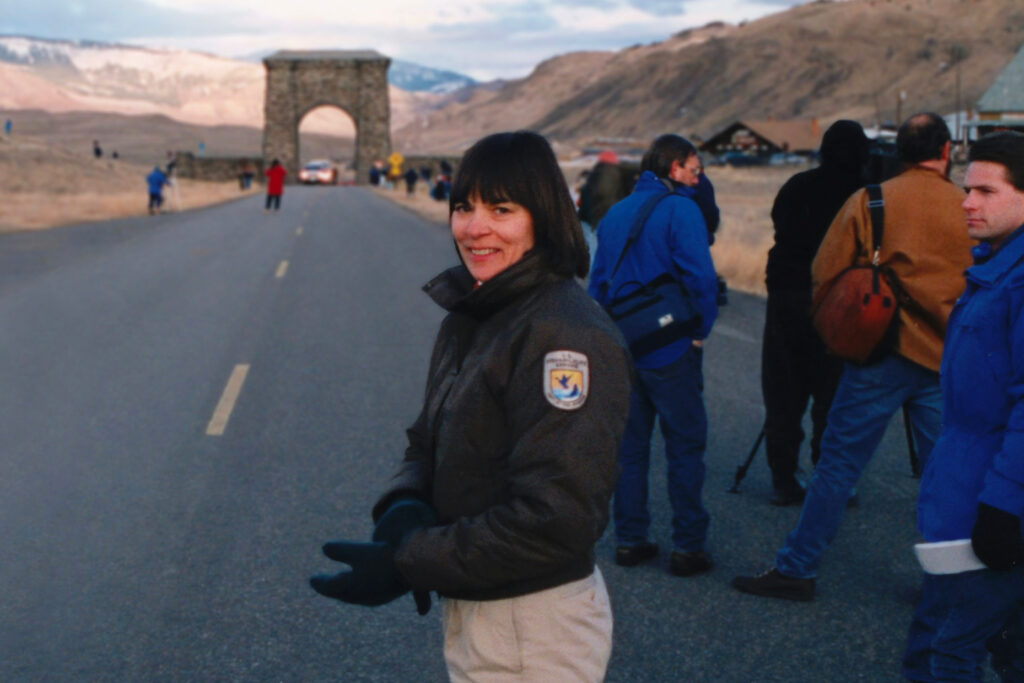
Niemeyer’s book has added relevance as it coincided with the release of a documentary film in 2025, Lost Wolves of Yellowstone [previously titled Mollie’s Pack] directed by Bozeman-based filmmaker Tom Winston of Grizzly Creek Films and which has won wide acclaim. Featuring footage from the early days of Yellowstone wolf reintroduction that some thought was lost, Winston, co-writer Avela Grenier and their team tell a provocative story that highlights the devotion of US Fish and Wildlife Service Director Mollie Beattie. She was dying of a terminal illness during it all, but wanted to see it through before she passed. Ultimately, a wolf pack that faced harrowing prospects of survival was named in her honor.
An early screening of the film earned packed theaters early in 2025. In addition to seeing and hearing haunting uncovered footage of Beattie, another lead figure is Mike Phillips, who was picked to be the first wolf recovery leader in Yellowstone. Phillips later went on to co-found the Turner Endangered Species Fund with Ted Turner and he was elected to serve in the Montana state legislature in both the House and Senate.
Part of the story of The Lost Wolves overlaps and intermeshes with the Sawtooth wolves that are the focus of Niemeyer’s book. Note, these “Sawtooth wolves” is different from a pack of captive wolves in Idaho raised and chronicled by filmmakers Jim and Jamie Dutcher.
Yellowstonian Interview With Author Carter Niemeyer

Yellowstonian: Your book was a surprise to me, not in a good or bad way, but one of genuine astonishment that I didn’t know the story of the Sawtooth wolves. How and why did public attention about their fate fall through the cracks?
CARTER NIEMEYER: Wolves had been extirpated from most of the lower 48 states by the late 1930s. Early wolf recolonization in Montana began in the mid-1980s. Most of the first packs to reestablish were getting into trouble preying on livestock and were eventually either relocated or killed. Relocation of problem wolves and their pups proved to be disastrous in most cases. Unsuccessful outcomes were so commonplace that relocations were not even newsworthy any longer.
The Sawtooth wolf pack was treated differently by combining their relocation into Yellowstone National Park with the reintroduction of wolves from Canada happening at the same time. We hoped for a better survival outcome by placing them with surrogate (Nez Perce) wolves in pens. The Sawtooth pups survived captivity and were released with other wolves in hopes they would develop hunting skills and acquire socialization. By all appearances that did not happen.
Yellowstonian: How so?
NIEMEYER: In a few short months most of the Sawtooth pups had perished. Each mortality was documented along with the deaths of other wolves inside and outside of Yellowstone. The general consensus by park officials was that the Sawtooth pup experiment was a failure. Their story died along with most of the pups.
Along with my involvement in capturing and relocating the pups, I noted the fate of individual wolves through my journals, records and news reports. Observations over an extended period of time were required to access success or failure in saving the pups and teasing out consequential benefits.
Yellowstonian: This seemed to be flying under the radar, as we journalists were focused on other higher-profile wolf sagas.
NIEMEYER: Over time, I realized the national public was unaware of the transfer of ten more wolves to the park. With few exceptions, presentations regarding wolf reintroduction never mentioned the pups or glossed over their existence. Scientists and colleagues asked me more than once “Did you know about the other ten wolves released in Yellowstone?” When I answered “yes,” folks were astounded.
Yellowstonian: Again, the topic of “the other ten wolves” is a rather big deal and yes, I’m being slightly wry. It isn’t as if information was deliberately hidden, but a lot was happening and the people on the ground in the park were just trying to make sense of everything, as this kind of reintroduction had never happened before. In the last several years you also were engaged in writing two books about your professional tenure as a wolf conflict manager on the front lines of wolves roaming through cattle country.
NIEMEYER: I knew I needed to share this story but it required doing do in book form. I was the only person who could tell the detailed saga from beginning to end. I wrote a rough manuscript nearly a decade ago but filed it away. Only through encouragement by others did I recognize the significance of the Sawtooth pups and their contribution to the genetic diversity of wolves in Yellowstone. Wolf watchers and advocates derive enormous pleasure from the generations of Nez Perce and Sawtooth wolves that persist to this day with the added opportunity to see wolves with predominantly white coats on occasion.

Yellowstonian: Looking back, the fact that the larger reintroduction happened in Yellowstone and Idaho, that it succeeded and that we find ourselves where are today is a miracle. Do you find it that way, too?
NIEMEYER: I have always considered wolf reintroduction a miracle in that it was the “perfect storm” in a positive sense. After decades of public negativity and political opposition toward wolves somehow negotiations between opposing forces came together to allow the reintroduction effort to become a reality. Coupled with protections under the Endangered Species Act and a complicated planning process involving public comments from thousands of people it happened! I’m doubtful that such an effort could ever be duplicated again at the national level because this nation is too divided these days.
Yellowstonian: According to the US Department of Agriculture, wolves killed 35 cattle and 16 sheep in Montana in 2024. The USDA estimates that 2.1 million cattle were raised in Montana in 2024 and around 200,000. Even if the total number of cattle and sheep lost to wolves were triple, it would be fairly insignificant overall in comparison to the number of animals that died from other causes. And yet, the state has set a legal wolf killing quota of 452, including 60 wolves that can be taken in southwest Montana. And that doesn’t even include the amount of wolf poaching that goes on. You’ve often said that based upon your own work investigating hundreds of alleged wolf-livestock depredation incidents that wolves get blamed for a lot of killing the didn’t commit and that sane public discussion needs to happen but isn’t happening because of politics deliberately muting science and facts.
NIEMEYER: The ag industry needs a scapegoat because times are challenging for livestock producers but wolves are far from being a major threat. It’s telling when politicans know the truth but they’re unwilling to speak it because they think that telling lies better serves their own personal agenda.
Yellowstonian: In the years that followed reintroduction in the mid 1990s and carrying through to today, a lot of wolves died or were killed to “keep the peace.” Yet the public and younger members of the media don’t seem to understand that. Sometimes the amount of public money spent to kill wolves was vastly greater than the dollar value of livestock that died or were allegedly threatened. What’s important for us to know and remember about those 10 Sawtooth members?
NIEMEYER: Sparing the lives of ten innocent wolf pups was an experiment really. Destruction of the pups would have been poor optics and we wouldn’t have learned anything. Placing the pups with surrogate adults in Yellowstone and eventually tracking their development and dispersal using radio collars provided an opportunity to expand our knowledge. The fate of the ten pups helped us judge management options well into the future.
Yellowstonian: If you were testifying before the Montana Fish and Wildlife Commission on whether to approve higher quotas that allow for half of the wolves in the state to be killed, what would you say?
NIEMEYER: I suggest following peer-reviewed science acquired through research. Reviewing wolf literature and consulting with renowned wolf experts around the country leads me to conclude that random killing of large numbers of wolves does not protect livestock or reduce predation on livestock. I have found that targeting “problem” wolves or wolf packs stops livestock damage by wolves.
Yellowstonian: Please elaborate.
NIEMEYER: At a time when state elk herds are thriving and targeted removal of problem wolves has minimized livestock losses, I see no justification for higher quotas. I believe the decision to reduce wolf numbers is a political decision based on the intolerance of a minority of hunters and livestock producers that have the ear of the Montana governor and state legislators. I doubt that Montana Fish, Wildlife and Parks would make the same choices by their own choosing. I do not support the increased quotas. I believe more harm than good comes from indiscriminate killing of wolves by destroying pack social structure that leads to predation on livestock. Most wolves contribute to the beneficial culling of wild ungulate herds that keep them healthy and productive.
Yellowstonian: Your new book would certainly have had a different tone and perspective if it has been published, say, 25 years ago. What lessons has time, when it comes to the story of Yellowstone’s and Idaho’s wolves, taught you?
NIEMEYER: Wolf recovery efforts along with the reintroduction were in their infancy 25 years ago. Wolf managers were on a steep learning curve trying our best to protect wolves, livestock, and pets while introducing people to the realities of living with wolves. We took cautious measures to reach a sustainable wolf population. Experience, budgets and field resources were in short supply. Risks were taken, mistakes were made. Lots of wolves died, many that probably didn’t need to, if there had been cooler heads.
Today, experience and research show that wolves are resilient if people resist the temptation of killing them. Prevention is key to mitigating wolf/livestock conflicts. Non-lethal measures like range riding and use of livestock guarding dogs are essential in protecting livestock from predators. Preemptive measures to avoid wolf/livestock conflicts are the most effective.
Yellowstonian: You’ve been critical of efforts in Colorado to capture and relocate the relatively few wolves that started preying on livestock. Why?
NIEMEYER: I want what’s best for all. I’m in favor of fewer dead livestock, fewer dead wolves and a toning down of the rhetoric. All of that is achievable. Relocation of “problem” wolves has proven to do little good. Survival of relocated adult wolves is limited often resulting in continued livestock predation due to the learned behavior among younger pack members and pups. Lacking parental guidance and training, wolf pups seldom survive. I wouldn’t recommend relocation of wolves any longer.
Yellowstonian: With wolf reintroduction, you were a direct participant in a historic event that has become a reference point around the world, not as a mistake but an act of courage, showing that where re-wilding is possible in bringing species back, it says a lot about the character of our species.
NIEMEYER: In the final analysis, I was privileged to participate in wolf recovery efforts throughout the Pacific Northwest. I have watched wolves thrive due to the abundance of available prey species, especially elk. Elk herds continue to sustain their numbers sometime to excess and livestock losses remain comparatively low since the return of the wolf.
The lesson learned is that wolves survive because of human tolerance. We as a society need to work together to sustain wolves. We have the capabilities to minimize wolf/livestock conflict and assure their continued existence for future generations with sensible management. Ranchers who want to co-exist with wolves can and do. They deserve our praise.
ALSO READ: