EDITOR’S NOTE: Important to consider in reading the guest analysis by Dr. Cathy Whitlock below is that, over the course of decades, she has been part of scientific research teams gathering data and piecing together trend-lines relating to the ecological impacts of changing precipitation levels. The graphics spread throughout her piece below, were submitted to the Montana state legislature in 2018 as part of a groundwork, independent and multi-part series, called the Montana Climate Assessment relating to future conditions for ecosystems, water availability, forest health, agriculture and and human health (related to effects of smoke). Whitlock served as senior lead author. In the last eight years, more evidence of the deepening impacts of climate change have only accrued; thus it contradicts the argument made by the EPA that in the current Administration’s quest to use public lands and offshore coastal areas to assure America’s “energy dominance,” the impact of rising greenhouse gas emissions should not be regulated. Notably, the predictions made by scientists who assembled the Montana Climate Assessment were based on the presumption that actions would be taken to control carbon emissions. —Todd Wilkinson
By Dr. Cathy Whitlock
On Feb. 12, 2026, the federal government delivered the latest blow to the climate crisis by removing a key regulatory rule of the Clean Air Act.
The 2009 EPA Greenhouse Gas Endangerment Finding was the legal and scientific determination that greenhouse gases harm public health and welfare, and it served as the framework for federal regulations on greenhouse-gas emissions from vehicles, power plants, and industry.
That rule is now void.
This rescission comes on the heels of other federal actions to gut U.S. climate science, take the U.S. out of international climate agreements, and remove economic incentives for green energy. As a result of these actions, the federal government can no longer be considered an honest broker of climate information or policy.
° ° ° °
° ° ° °
EPA claims that eliminating the Endangerment Finding will save over $1.3 trillion in regulatory costs and dramatically reduce the price of gasoline-fueled vehicles. That dollar figure, however, pales against the real costs of climate change. A 2024 study in the journal Nature estimates that climate costs globally will reach $38 trillion per year by 2050.
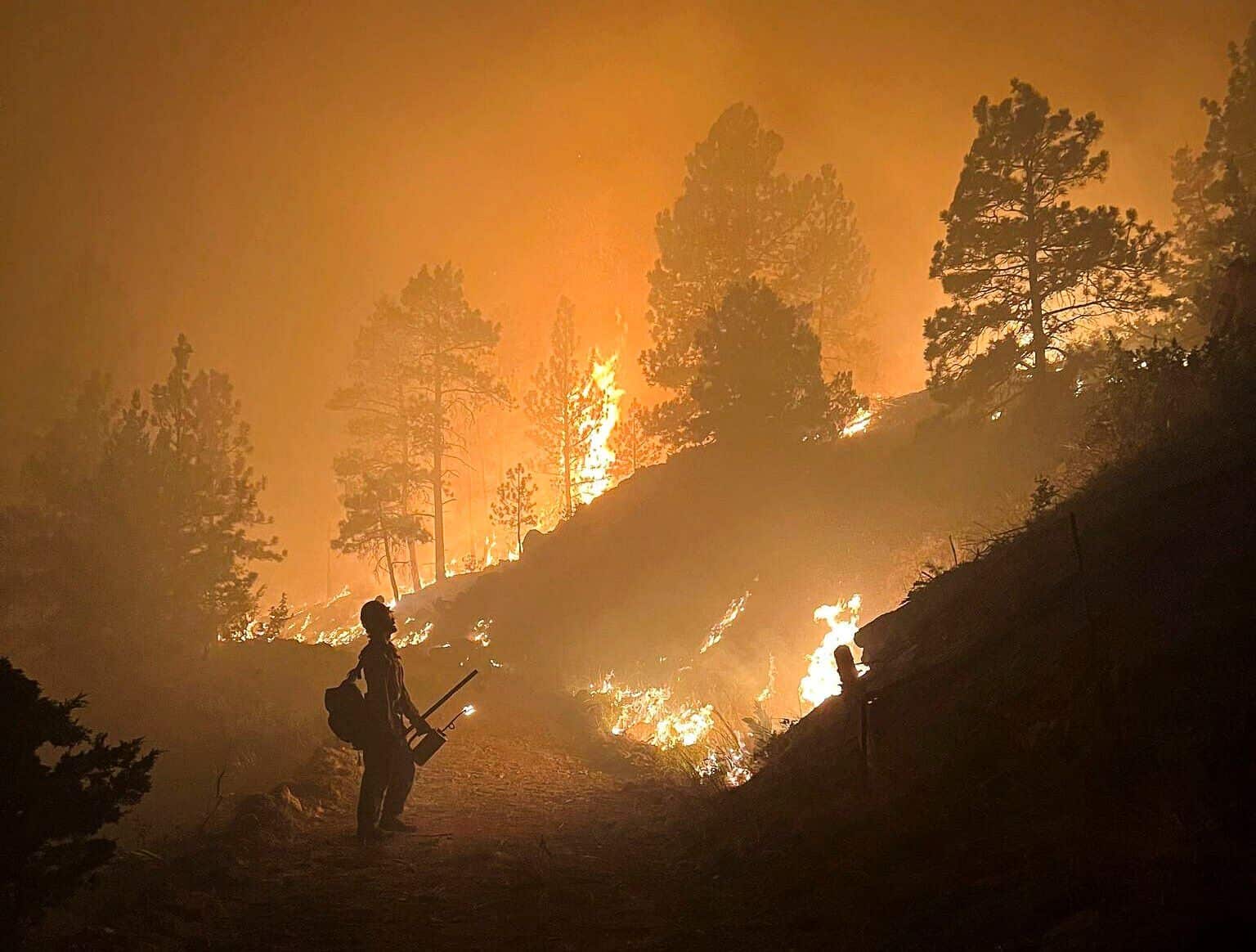
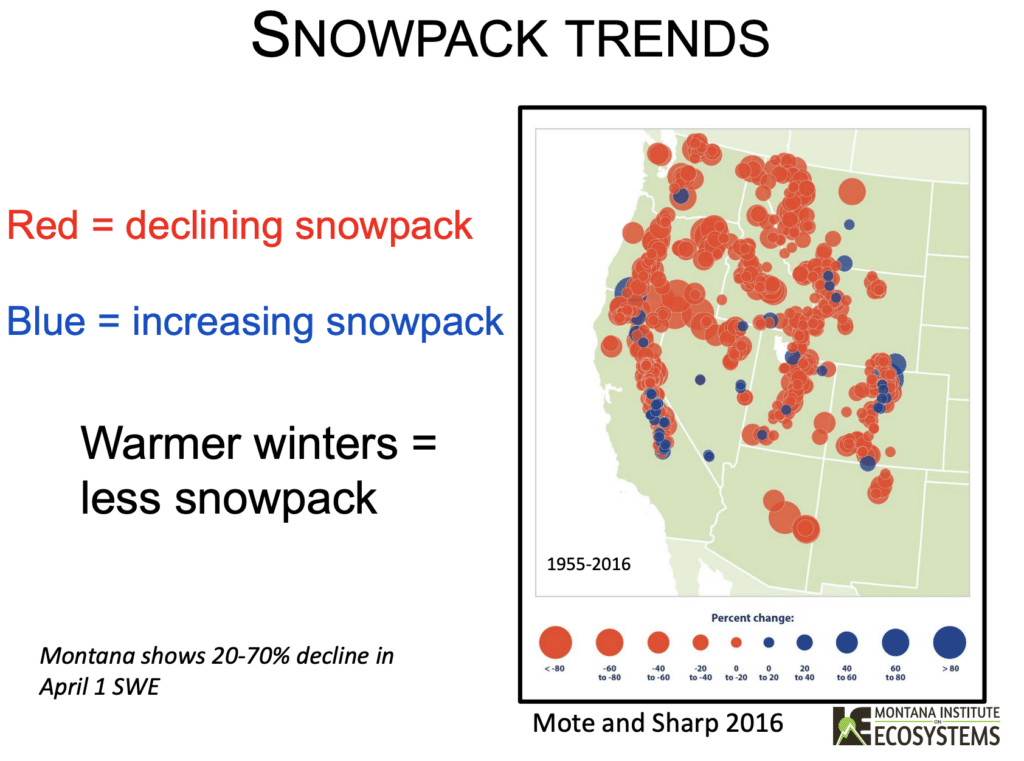
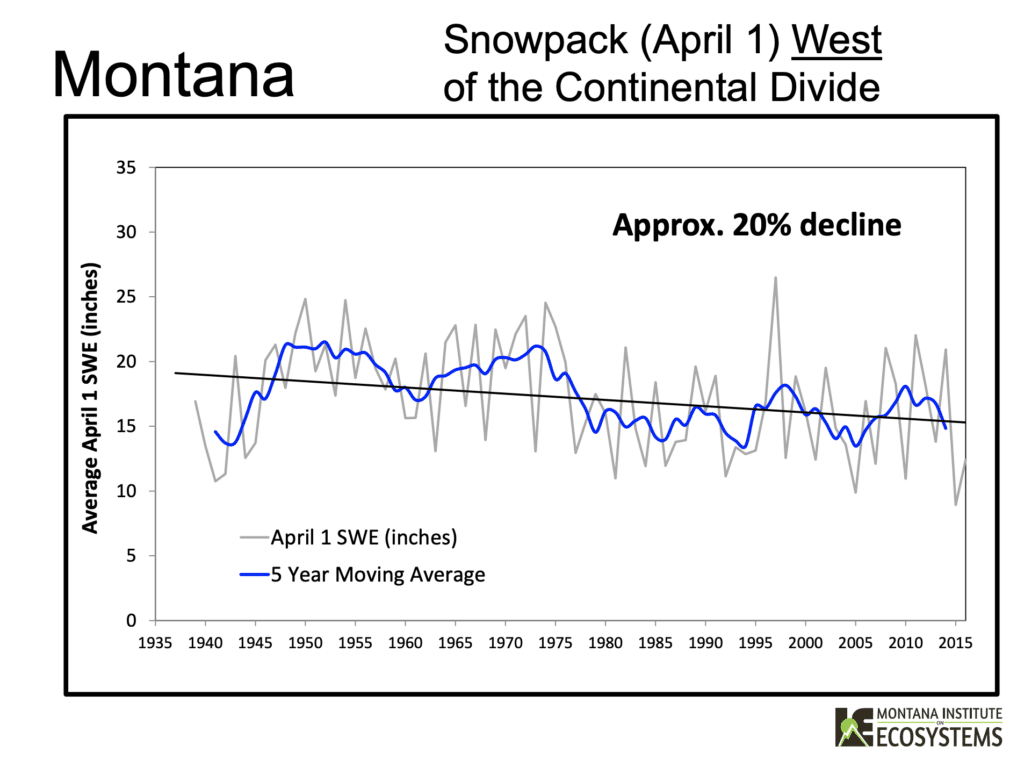
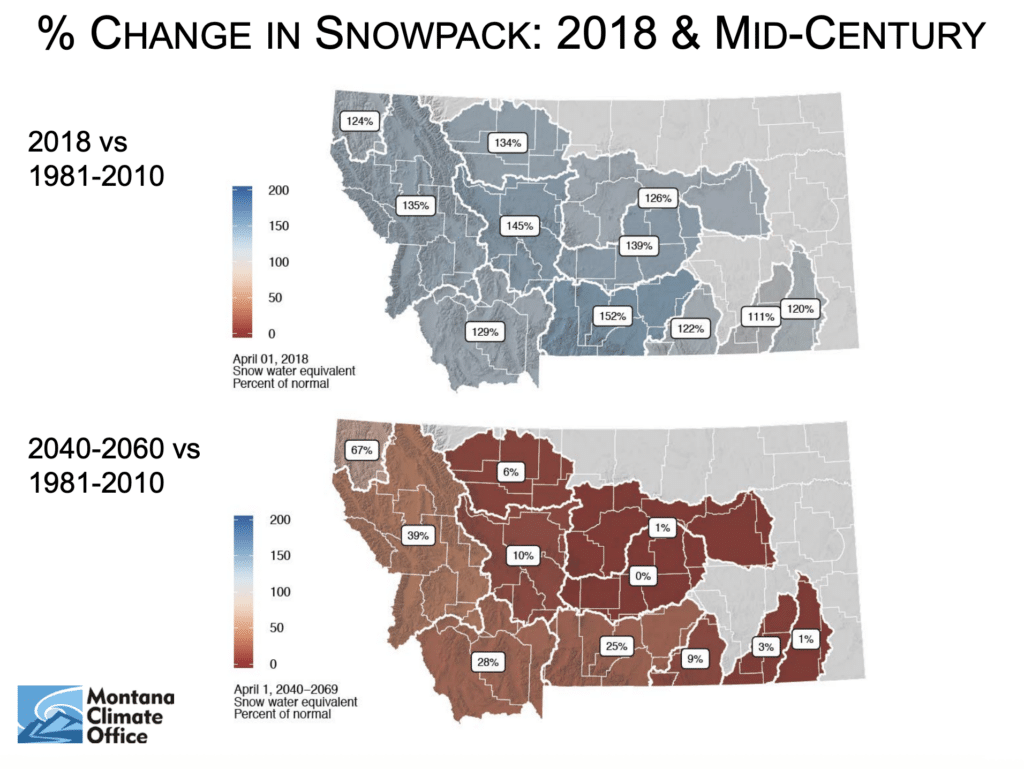
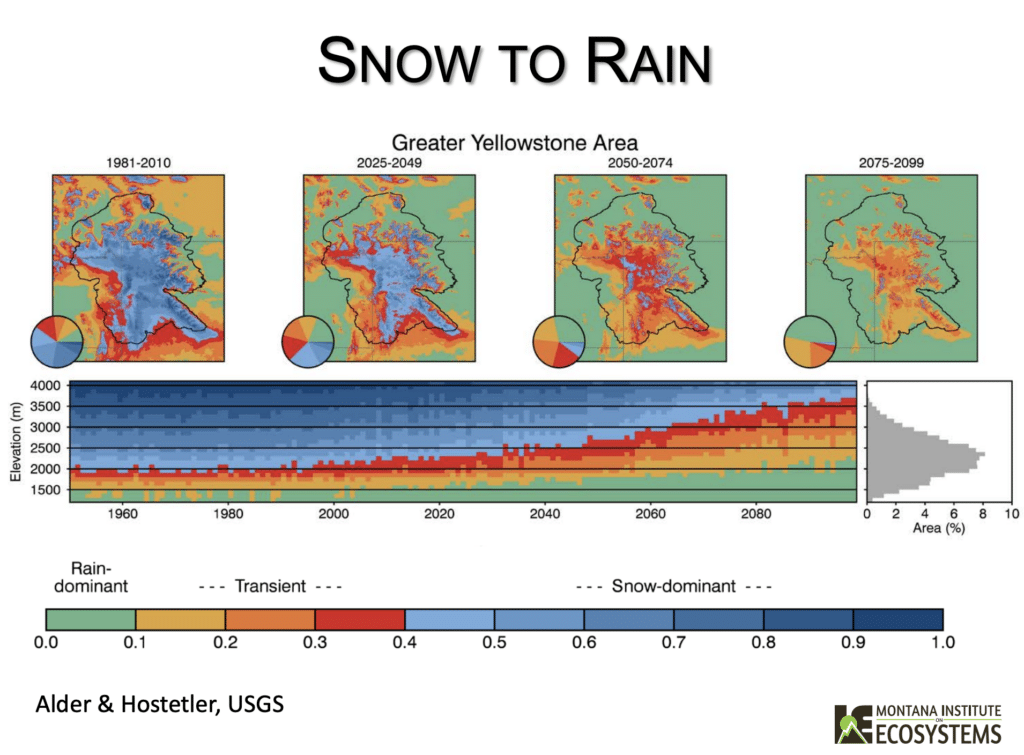
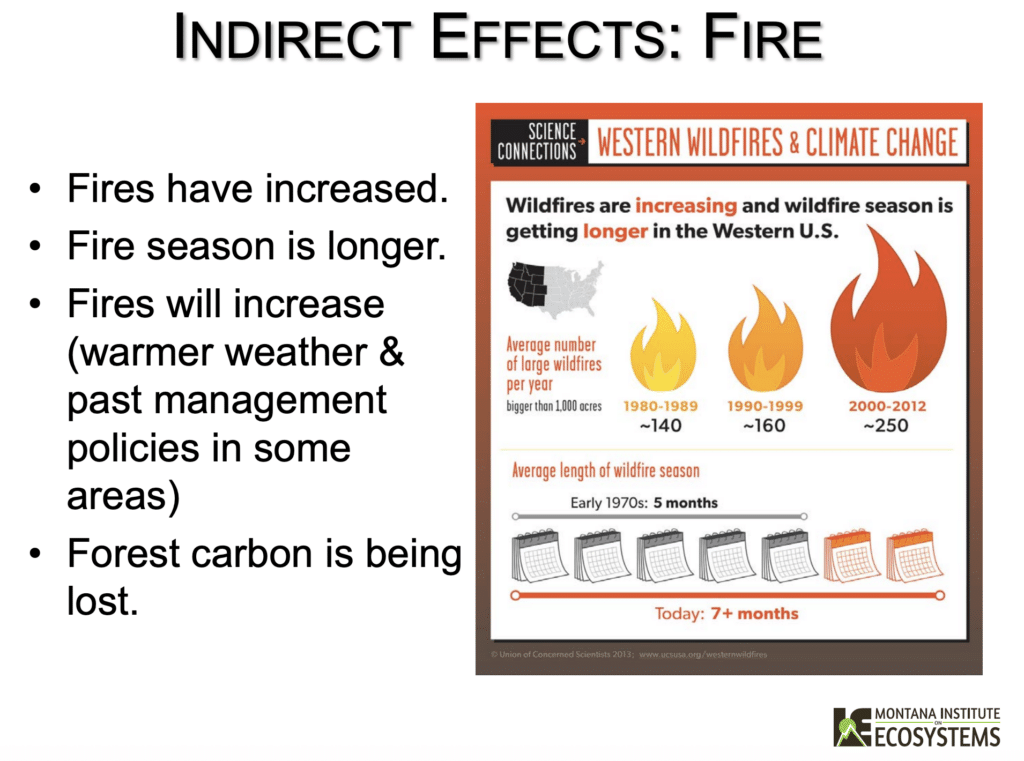
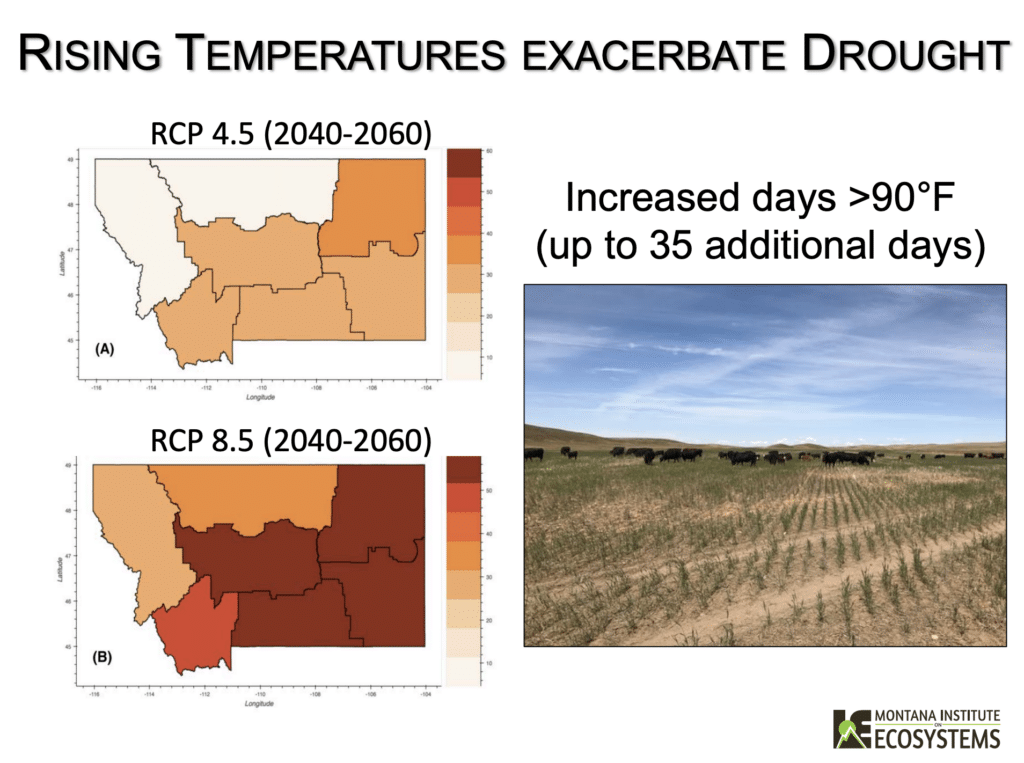
Montana is warming faster than the U.S. as a whole, and annual temperatures are projected to rise an additional 4 to 5 degrees Fahrenheit by 2050. Warming diminishes our snowpack and causes costly flooding, drought and wildfires. The increased emissions that will now come from unrestricted fossil-fuel burning will warm the planet further and exacerbate the impacts to Montana.
From 1980-2024, Montana experienced 37 weather/climate disasters, including severe storms, floods, and wildfire, each exceeding $1 billion in damages. In terms of health threats, Montanans are most vulnerable to the effects of wildfire and smoke, heat waves, and air/water quality.
Although state-level estimates are not available, health costs of air pollution and climate change in the U.S. currently exceed $800 billion annually, according to a 2021 NRDC/MSCCH report. Vital economic sectors in Montana, including outdoor recreation, agriculture, and tourism, also depend on a stable climate.
Montana Wildlife Federation estimates that by 2050, the state will lose over 8,800 jobs and $232 million in annual labor earnings from climate change.
° ° ° °
° ° ° °
Repeal of the Endangerment Finding will inevitably terminate efforts to reduce greenhouse gas emissions from Colstrip, one of the nation’s dirtiest coal-powered plants, and it opens the door for more coal, oil and gas projects in the state. It also shifts the burden of environmental protection to the states, resulting in a fragmented and confusing regulatory landscape.
For example, Montana’s constitutional right to a stable climate was upheld in the Held v Montana decision in 2023; however, in defiance of the ruling, 2025 state lawmakers passed several bills that significantly weaken environmental protections, including air- and water-quality standards.
These laws, in turn, have led to a new round of court challenges that will last years.
In the short run, EPA’s actions will benefit the fossil-fuel industry, U.S. automotive manufacturers, and transportation sectors above all. It’s ironic that a Yale University survey indicates that 74% of the U.S. population, including Montanans, recognizes the threat of global warming. In contrast, our federal and state governments cast a blind eye to the dangers of climate change and disincentivize energy technologies that are cheaper and healthier.
Climate change is an existential threat that is not going away. As the current administration breaks down the legal frameworks that safeguard our health and environment, we need to push forward in the face of seemingly insurmountable odds to make progress in seeking solutions.
Addressing climate crisis is multi-faceted and requires global and national policies, political advocacy, and local and individual action. It also demands that we speak up for science, our values, and commonsense.
Also read:
Special Issue of Yellowstone Science: Ecological Implications of Climate Change on the Greater Yellowstone Ecosystem
Book: Climate Change in Wildllands by Andrew J. Hansen, David Theobald, Tom Oliff and William Monahan