by Todd Wilkinson
David Showalter describes himself as “a conservation photographer” and with that appellation his mission with presenting remarkable photographs of threatened wildlife, landscapes and even places that have been plundered is clear.
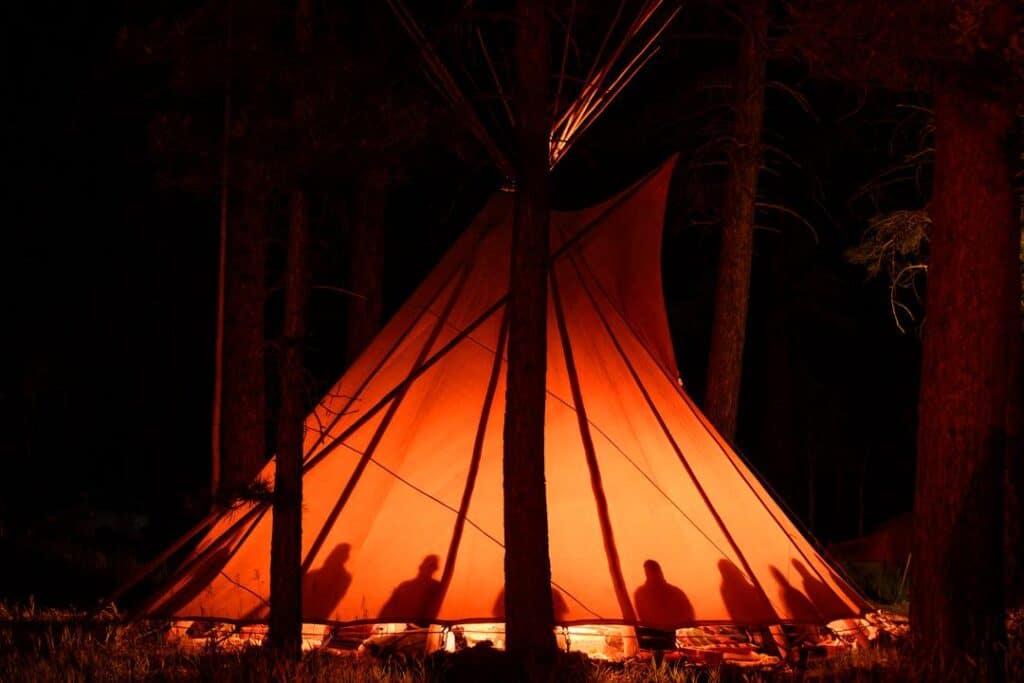
While his entrancing images speak for themselves, anyone who has attended one of Showalter’s public events knows that he is fearless in his advocacy. Anyone can, and has the power to rise in defense of Nature. No one needs permission. Showalter welcomes everyone into the tent but he does not pull punches in calling out those in a position to make a difference but who remain silent or worse, people who make promises to do the right thing and then don’t follow through.
With a recent book about the arid West’s most important artery, which connects Greater Yellowstone to the Grand Canyon, to the taps of tens of millions of people, to desert croplands in California, and onto Mexico if there are still flows, Showalter’s preferred method of inveigling our interest is visually. Living River: The Promise of the Mighty Colorado is a wake up call and beacon.
A Coloradan who pays regular visitor to Greater Yellowstone, Showalter has been an instructor at the acclaimed Summit Photo Workshops in Jackson Hole and he is a member of the International League of Conservation Photographers. A few years ago, he put together a book about the West’s, and Greater Yellowstone’s most imperiled bird, the Greater Sage-grouse.
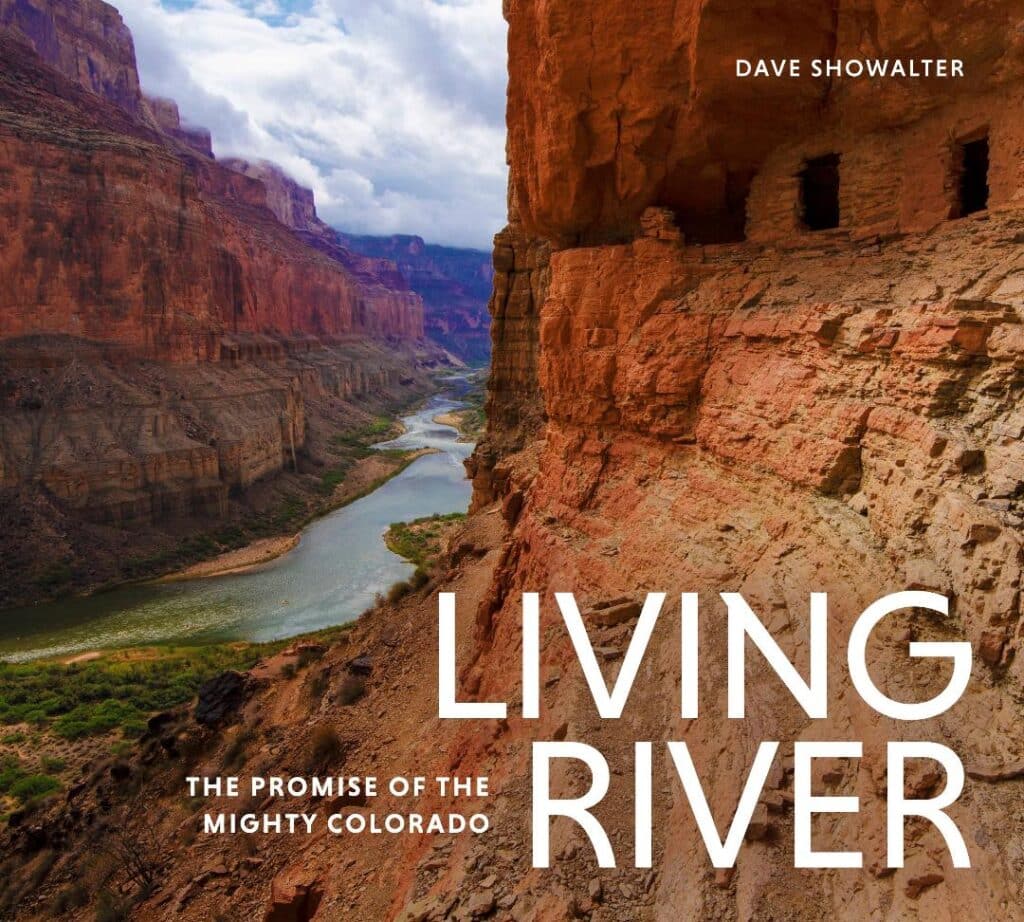
Regarding that other book (see the cover of his new one above), it now appears that the Trump Administration and Wyoming, a state which has the largest remaining population of Greater Sage-grouse, may be backing away from firm commitments made a decade ago to protect birds, and, in the West, their breeding grounds and 98 percent of their remaining habitat on 67 million acres of public land.
That strategy was hatched as an alternative to the large prairie birds being listed under the Endangered Species Act. It was done under the premise that voluntary conservation can be as potent as species protection shepherded forth by enforceable regulations. There’s a parallel certainly to current efforts to resuscitate the Great Salt Lake and the over-appropriated Colorado River.
Wyoming has nearly 40 percent of the surviving Greater Sage-grouse inside its borders and many different pockets of sage-grouse overlap with areas of sagebrush the energy industry, rare earth minerals interests and traditional multiple users like ranchers might be interested in exploiting. Today, the estimate range for total number of Greater Sage-grouse in the West is between 200,000 and 500,000 individuals, down by more than 75 percent from historic levels. While sage-grouse numbers rose in Wyoming in 2024, as part of a normal cycle, many are concerned that expanded energy development will severely impact breeding grounds or leks.
The Trump Administration has made clear that it wants to expand resource extraction, especially energy development as coal mining, and federal and state governments in some places are lending support for that to happen.
Some see talk of implementing “adaptive management” strategies, in order to accommodate multiple use activities over concerns about Sage-grouse as being an illustration of how non-binding, voluntary consensus and collaboration exercises to protect species often can fail without sticks backing up motivation by carrot.
Showalter’s book about the Colorado is a reminder of what’s at stake for a liquid wonder of the world, how adept we are of creating wicked problems by refusing to accept limits on consumption, and how inept we are at preventing them.
Not long ago, we engaged Showalter in a conversation which you’ll find of interest below along with some of his stunning pictures. Living River: The Promise of the Mighty Colorado ought to be a mandatory addition to your book shelf. It’s incredibly timely.
The Yellowstonian Interview with Photographer/Author Dave Showalter
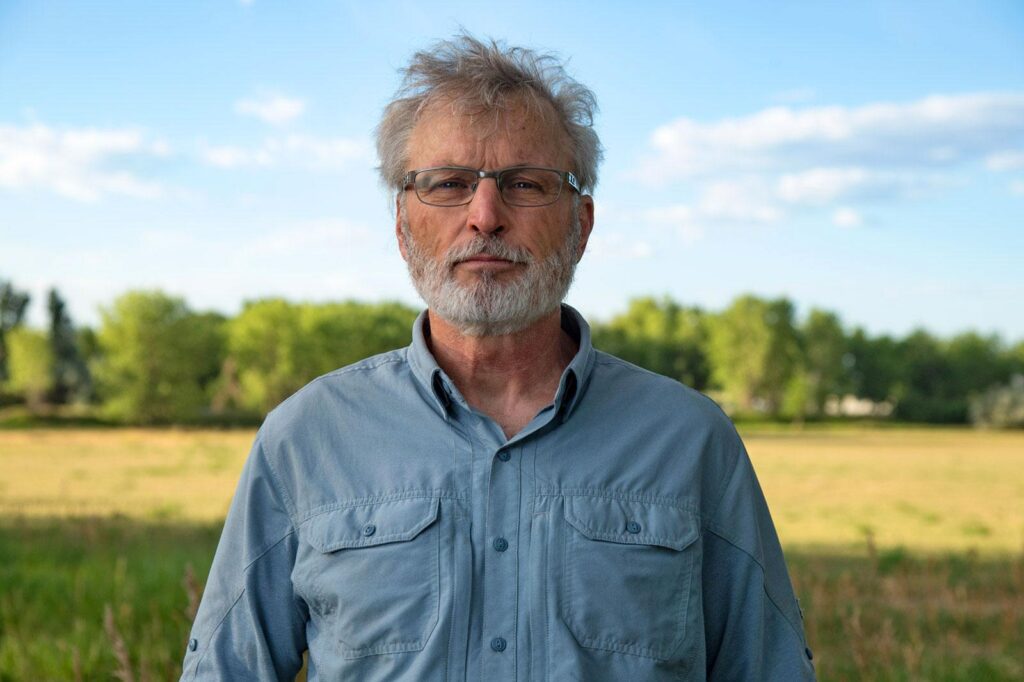
Todd Wilkinson: You’ve spent the last stretch of years visually documenting a river whose headwaters connect Greater Yellowstone with, in theory, the Pacific and the Sea of Cortez. Your award-winning book is titled, Living River: The Promise of the Mighty Colorado. What’s the take home message you want Americans and the tens of millions of Westerners connected to its basin to consider?
David Showalter: We’re all connected to one another by this river, to the mighty Colorado and her promise of life.
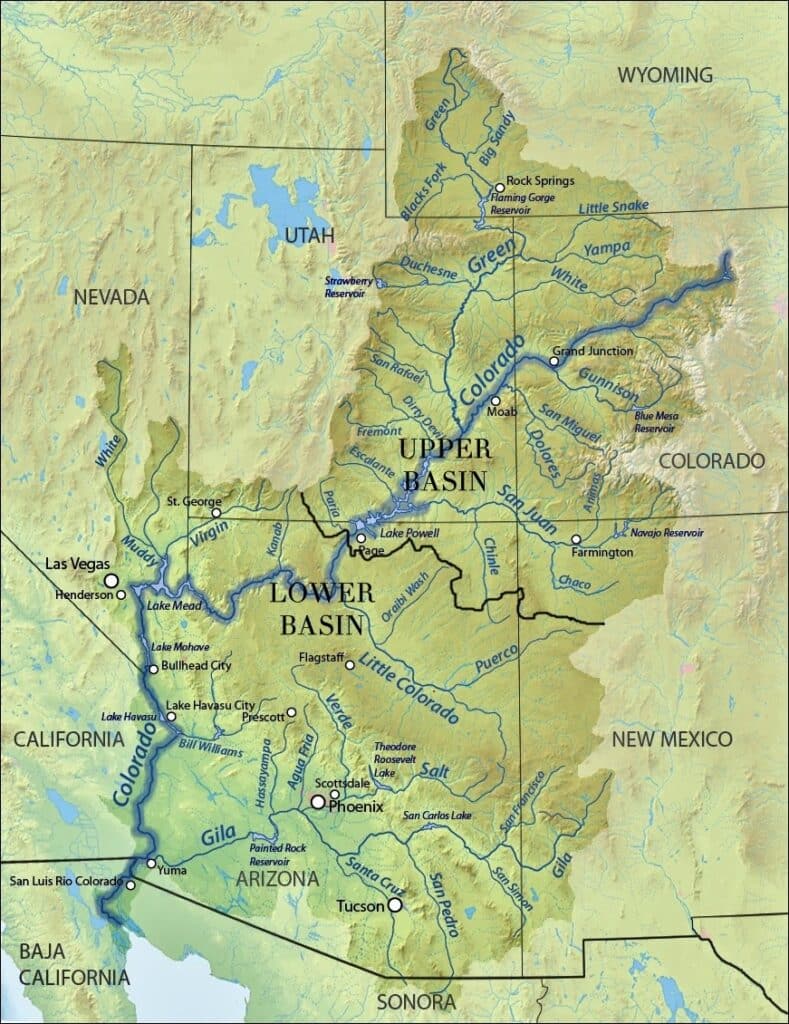
TW: Please, if you wouldn’t mind, elaborate a bit on how this is both a downriver and upriver story. It connects residents of Mexico to the origins of the Upper Green River in the Wind River Range where grizzly bears literally leave their paw prints in the muddy banks. It also binds us in the Northern Rockies and state of Colorado to the deepening trenches of water conflict. I wonder how we’d be thinking about this problem if the river originated in Mexico and flowed north into the US. Your thoughts.
Showalter: Sure, maybe we should just begin with reflecting on where our water comes from—the Rocky Mountain snowpack. Add to it the notion that everyone lives downstream, and that we’re all downstream neighbors. Practically speaking, everyone is looking upstream right now while wondering how much snowpack will accumulate in the Rockies, and how much water we’ll have in the coming water year.
TW: Yes, a short-term view and not pondering the trendlines of climate, water use and even viewing the river as this existential gift.
Showalter: When I visit the headwaters in Rocky Mountain National Park, or in the Upper Green River, the biggest tributary of the Colorado, or any of the major tributaries, I like to close my eyes while the river gurgles and trace in my mind’s eye the entire journey of a great river which flowed to the sea for six million years.
It’s all the same river, which I’ve come to see as a living being carrying life wherever she flows — not a resource, but a life force. The river changes dramatically downstream from the Grand Canyon, becoming more of a plumbing system; yet still holds life in flow. Way downstream, in the Mexican Delta, life is burgeoning in restoration sites fed with less than 1 percent of historic flow. Water and life.
“When I visit the headwaters in Rocky Mountain National Park, or in the Upper Green River, the biggest tributary of the Colorado, or any of the major tributaries, I like to close my eyes while the river gurgles and trace in my mind’s eye the entire journey of a great river which flowed to the sea for six million years. It’s all the same river, which I’ve come to see as a living being carrying life wherever she flows — not a resource, but a life force.”
—Dave Showalter
TW: As big and unruly as it can be, the Colorado isn’t free-flowing and is semi-tamed or semi-wild. It’s the subject of intensive management and without it the West would be very different, yes?
Showalter: The grace of the Colorado River Compact is a collaboration between the seven Basin states, all challenged by what is now a climate-driven 26 year mega drought in the Colorado River watershed. The water conflict is really a reckoning that’s been building up to this point for 60 years. We are in extreme shortage and it’s been really hard for the seven US states to find a way forward which reduces water use substantially while satisfying their own constituents. These are really good people tasked with a monumental job. But time is short.
TW: You’re acclaimed for your artful portrayals of natural landscapes and wildlife. The book veers into documentary journalistic photography. Was that a stretch for you and how did you find the balance you wanted to strike?
Showalter: I think the bigger stretch was to make enough connections to hold the story of a 1,450 mile long international river together. I came to the story totally open, simply looking for hope and promise after hearing an expert who should have known better say, “the river is dying.”
TW: What was your means for having the river reveal itself to you?
Showalter: The first two years were traveling on gas and groceries, meeting folks and trying to see as much of the watershed as I could. Then, I started asking the story what it needed at a time when I was meeting conservation heroes, which I call riverkeepers, doing great work and building community.
I floated six raft trips with Audubon Rockies, each of them transformative in their own way. On the third day of a raft trip, your life is recalibrated to the pace of the great river, stuff that was a big deal a few days ago fades away, replaced by presence and sacredness. Rafters and crew become a family—all of it engendering the idea that rivers change us. It’s the reason your guide can be a high school dropout or PhD; the river decides, she chooses people.
As I got deeper into the project, I met beautiful Indigenous people who welcomed me into their communities. That’s where I learned the Colorado is a female river, and I love that. I never considered whether the work was heading in a journalistic direction, but I did want to elevate the riverkeeper’s important work through telling their stories and making good environmental portraits. Each of us is a vessel for story, and in that sense I was simply listening to the river. Still am.
TW: What do you know and appreciate about the Colorado that you didn’t when the project, which is really a tribute, began?
Showalter: I think I saw the river system more in regional sections and tributaries, than as a singular organism. In my first pitch to Braided River, I wrote about the river drying up in Mexico, which leaves zero room for nuance, for story. Then I met folks from the bi-national Raise The River Alliance, visited restoration sites, and met riverkeepers dedicated to guiding and returning the Colorado to the sea.
TW: You found magic in places where some assumed hope had been lost. Tell us about some of your epiphanies.
Showalter: I stepped from the Mexican desert into loamy floodplain, cloaked in cool, moist air with birdsong. The aroma fragrant and earthy. There is abundance and dynamic life in these humble restoration sites, stewarded by dedicated folks. Now I know riverkeepers the length of the Colorado River and have come to feel that in a sense I’m always in the same place, connected to people doing great, loving work in community, the river flowing through it.
“As I got deeper into the project, I met beautiful Indigenous people who welcomed me into their communities. That’s where I learned the Colorado is a female river, and I love that. I never considered whether the work was heading in a journalistic direction, but I did want to elevate the riverkeeper’s important work through telling their stories and making good environmental portraits. Each of us is a vessel for story, and in that sense I was simply listening to the river. Still am.”
TW: These are dire times for many water bodies. A prime example is the dying state of the Great Salt Lake, happening as the population of the Wasatch Front continues to surge. According to one report, 37,000 new residents were added to the Salt Lake Valley in a single year from 2023 to 2024. In Montana, legendary trout streams are turning green with toxic algae from lower and warmer flows. The response isn’t to stop taking more from the rivers; it’s to, in the case of Big Sky in Greater Yellowstone, build bigger sewage treatment plants to accommodate more growth. Is there hope of saving the Colorado River? If yes, how?
Showalter: Indeed, saline lakes are in a lot of trouble and the plight of the Colorado is well documented. I ask this question of hope for the Colorado in every presentation. For a baseline, the Colorado, like many other watersheds, has been in decline for decades. Glen Canyon Dam, which impounds the river in Lake Powell, was last full in 1999, more than a quarter century ago. Both Powell and Mead, America’s largest reservoirs, hover around 30 percent full, and our mountain snowpack this season is around 60 percent.
TW: We live in a culture of willful denial and incentivized ignorance about the costs of growth, as if we are dwelling in our own reality version of the fictional film, Don’t Look Up. What made America great were decision makers who wanted to deliver benefits to citizens they would never know. Our elected officials, even some who claim to be evincing Christian values, seem to be driven by the opposite of moral and ethical altruism—as if Jesus’ favorite book sitting on his bedstand was Atlas Shrugged. You mentioned that time is short….
Showalter: The Colorado River Compact of 1922 expires in 2026, yet the seven Basin states have not come to agreement on a re-negotiated Compact. But, here’s the thing: the Colorado River is still flowing with the same intention to reach the sea as six million years ago. She still carries life wherever she flows while running through some of the most beautiful and iconic landscapes anywhere. She is life force for 40 million of us and drives our western economies.
TW: The operative words seem to be “wherever she flows.” You have said we need to rally together as if a dear relative was calling for our help.
Showalter: Beyond all of her wild inspiration, the Colorado is beloved and stewarded by top researchers, conservationists, and regular folks throughout her length. None of that, however, fixes our math problem, which is a 30 percent gap between the river we have and the river which is over-promised. However we get to a 30 percent reduction, we’ll still need to change our relationship to water in the arid west. I believe that we need to elevate Indigenous voices for the health and management of western rivers.
To truly change our relationship to water, more folks will need to know and love the river: to see ourselves reflected in her waters, as part of the larger community of living things. Go to the river and be present with her. Let her life force flow through you, become the river and speak for her. We’ll be better prepared for the coming reckoning if more of the 40 million folks in the watershed have some relationship to the river. Hope lives in our resilience and shared connection.
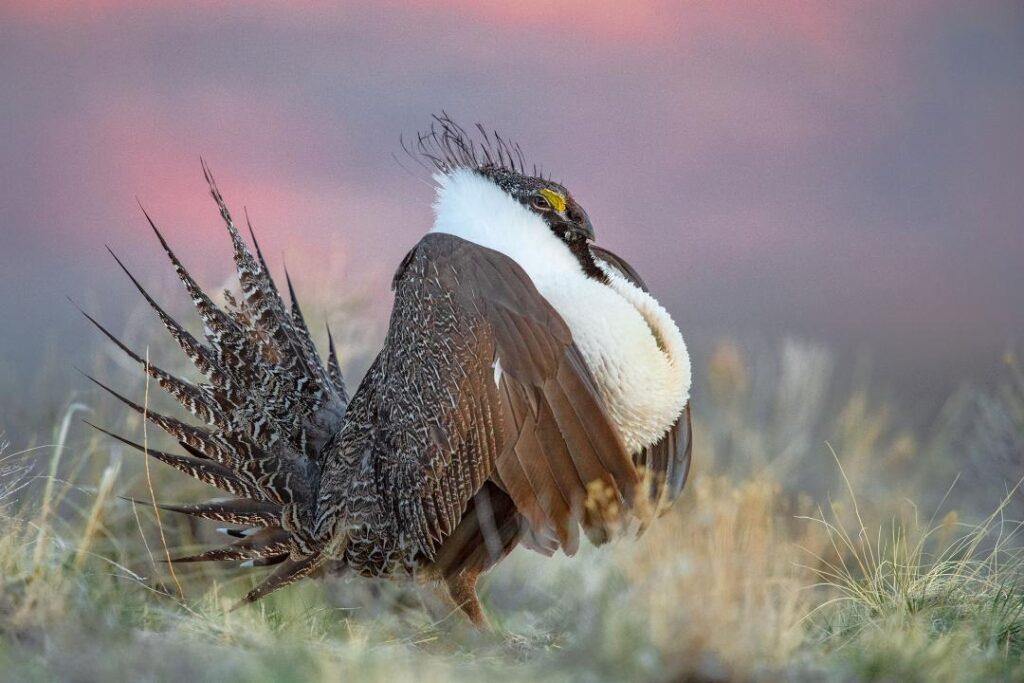
TW: I want to turn to another book of yours from Braided River, one for which I, Rick Bass and David Allen Sibley were asked to write chapters. It features a different subject confronting its own plight: Greater Sage-Grouse. When that book, Sage Spirit: The American West at a Crossroads, the much touted multi-state agreement was coming together as an alternative to listing the bird under the Endangered Species Act. In many places, stewardship promises made by states have fallen apart and in some cases extraction industries like energy continue to push past the edges of protected areas. Wyoming was supposed to be a beacon. How would you describe your level of concern for those birds?
Showalter: My concern is shifting to grudging acceptance that we value oil above anything wild or sacred. I suppose we have for some time, yet there were always strong voices and a respect for good science that could break through. Frankly, I’m concerned about our collective ability to hold empathy for very long. The internet has only been around for 30 years, and we no longer listen to one another, preferring a shouting match.
We’re competing with an hourly news cycle and endless noise to make a case for an iconic western creature that’s an umbrella species for 350 other wildlife species who share the same habitat—and in the next breath compare this quintessential western species to a chicken.
TW: What is the answer:
Showalter: Frankly, I don’t know how a story of the amazing Sage-grouse strut, of grizzlies, elk, bison, eagles, hawks, and all the songbirds obligated to sagebrush resonates when toxic capitalism and society only see value in extraction. Americans spend $1.4 trillion per year in sustainable outdoor recreation, yet that important data doesn’t land in the public consciousness as “the economy”. We can’t seem to take yes for an answer. I suspect we’ll have pockets where Sage-grouse still exist, but I’m not optimistic when we’ve given up on climate science and habitat protections. I’m speaking for Greater Sage-grouse here, and Gunnison Sage-grouse are far more endangered, with different management strategies.
But, I also want to go out on a limb. I believe when this current wave of fascism sweeping like a firestorm across America subsides, there will be a vacuum where more people seek out bigger, tactile experiences in nature while actively witnessing. Maybe somewhere in there a new land ethos will emerge with acknowledgement that there is no more habitat, that wildlife and people have nowhere else to go.
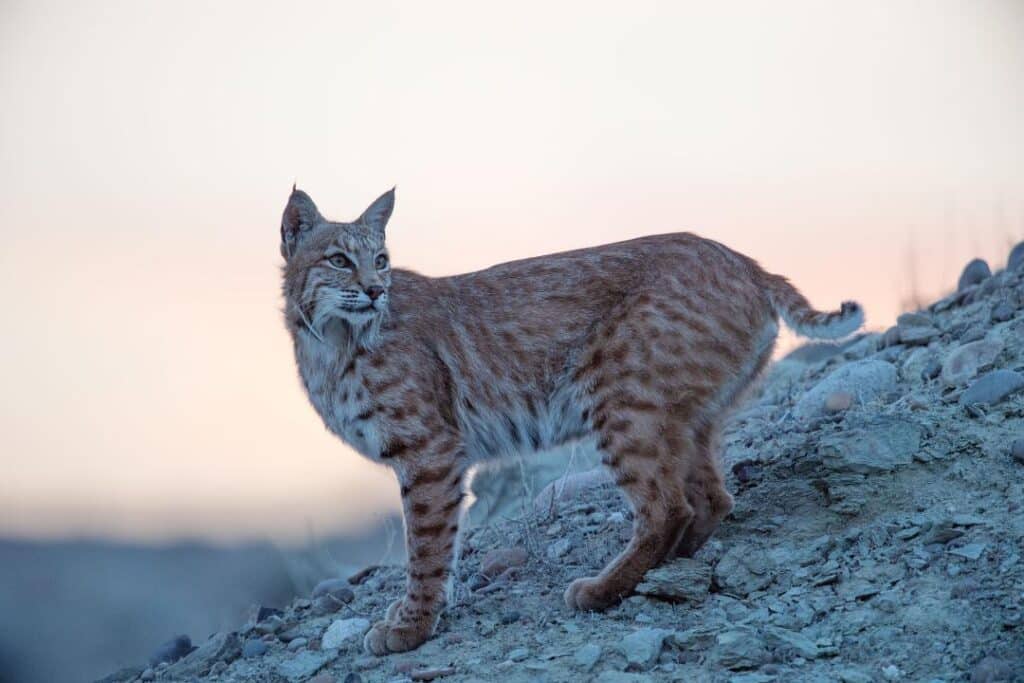
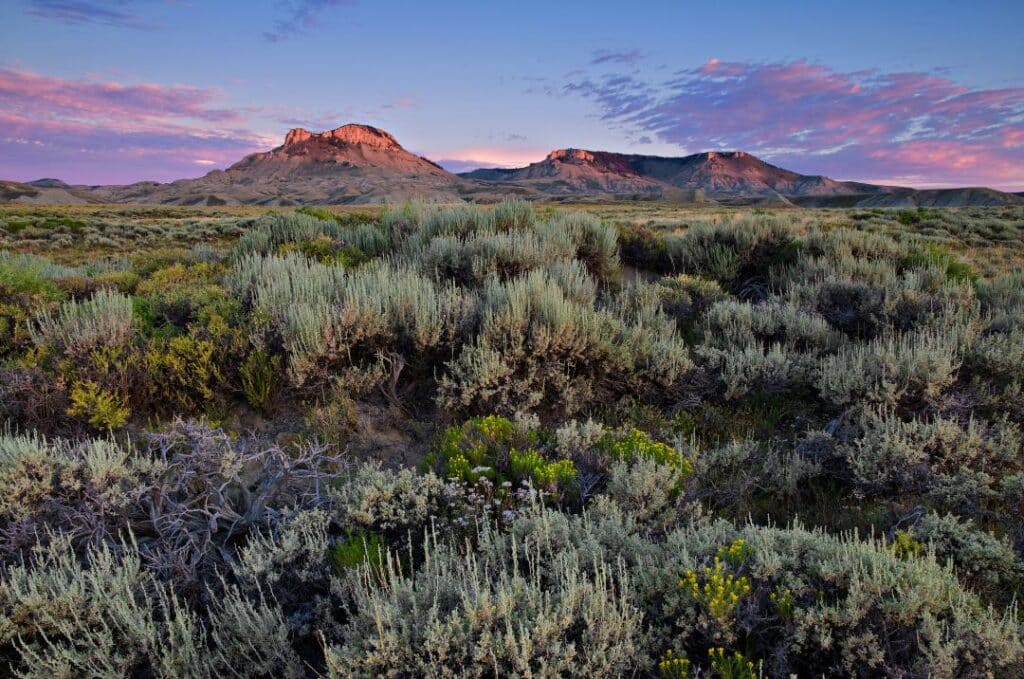
TW: One of your motivations for that photo-driven book was to help readers/viewers understand how the “sagebrush sea” where sagebrush are hanging on is a rich biome home to hundreds of species, ranging from large mammals to hundreds of species of birds, pollinators, reptiles, amphibians and native grasses. Where are we in this moment?
Showalter: We are backpedaling with grouse, and other species decline is predictable. I’ve never understood the thinking that everything must be developed, the land and animals can’t just be left to live their sentient lives, and by doing so, fill our lives with awe and wonder. Why isn’t that enough?
TW: As photographer, what’s the best way to be an advocate for the things you love and celebrate in your portfolio?
Showalter: For me, it’s to tell a story with partners and take others on my journey. I think there’s great value in witnessing and having something to say. It’s not enough anymore to just show pretty pictures in hopes people will care. If we go on a journey together, following a river or a bird with folks from different cultures and beliefs, while challenging our assumptions, maybe we can open a window or shine a light to a different way of seeing. Maybe we can learn to listen to nature. The river talks and has much to say.
TW: Any hints about your next project?
Showalter: I aim to create a companion story to Living River and make a deeper connection. I also believe the river has a right to live.
TW: You’re in good company. In November 2025, indigenous tribes whose homelands flank the Colorado River in Arizona and California voted to affirm personhood status for the river, saying it is a living organism and has a right to exist just as people do. Maybe the same kind of wholistic reverence will also be extended to the macro-organic entities, comprised of zillions of micro-biotic parts, that create the dynamism of sagebrush sea and wildlife migration corridors. The currents of life that exist in both cannot be denied.