by Nathan Varley
Every year, thousands of people flock to Yellowstone National Park armed with binoculars and cameras. They come for the geysers and thermal features, the soaring landscapes rimmed by tall peaks, and the world-class wildlife that inhabits the world’s first national park.
As a wildlife guide for over three decades, I’ve had the joy of helping visitors enjoy many incredible wildlife species: Elk, mule deer, bighorn sheep and our national mammal — the bison. Also, the top carnivores, gray wolves and grizzly bears, that draw people from around the globe.
It’s inspiring to see these amazing species that represent a functioning ecosystem. It’s just as impactful to see the reverence and awe people have for them.
I’m a strong advocate for the Endangered Species Act (ESA). This remarkable law, passed in 1973, has a solid record of preventing species from going extinct, something that was happening all too often before its passage. In fact, 99 percent of the animals, birds, fish and plants listed under the act have been prevented from going extinct.
It’s because of this law that we have wolves in the Northern Rockies, playing their role in ensuring healthy, robust herds of deer and elk. The recovery effort for wolves is truly a remarkable conservation milestone, and an achievement that’s ongoing in the West as wolf restoration continues in new areas.
“In fact, 99 percent of the animals, birds, fish and plants listed under the act have been prevented from going extinct. It’s because of this law that we have wolves in the Northern Rockies, playing their role in ensuring healthy, robust herds of deer and elk. The recovery effort for wolves is truly a remarkable conservation milestone, and an achievement that’s ongoing in the West as wolf restoration continues in new areas.”
—Nathan Varley
The ESA has also helped bring back native cutthroat trout, bull trout and other fish species that struggled for decades. And it played a major role in restoring bald eagle populations, our national symbol.
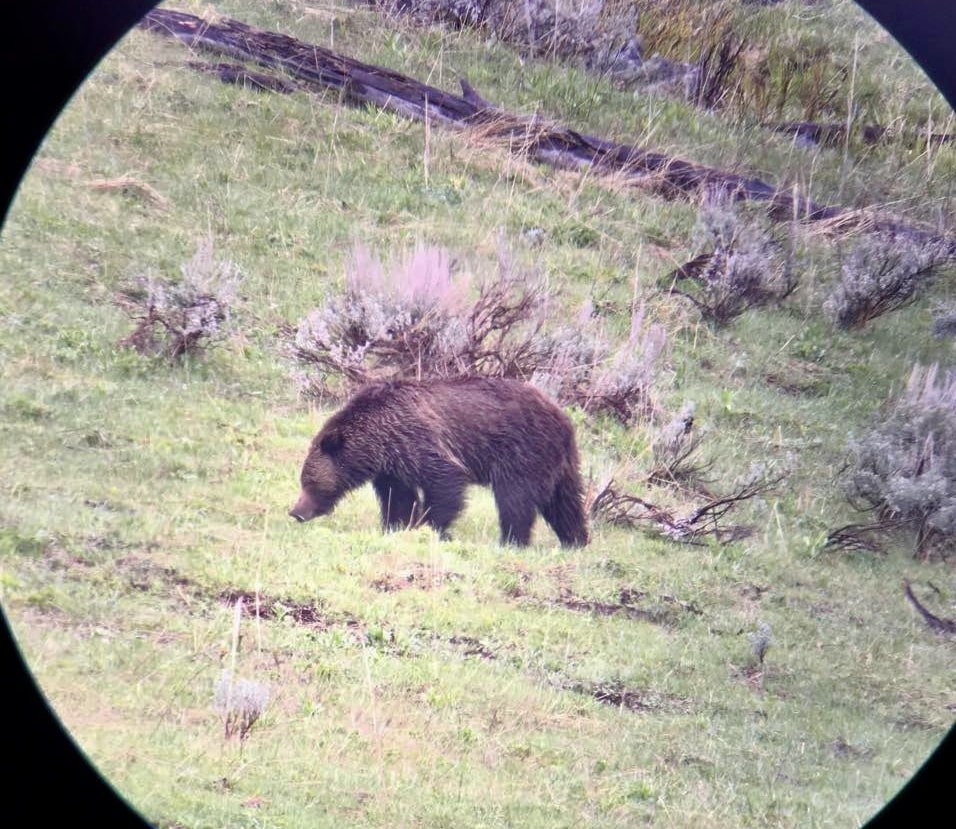
Of course, few species are as conservation-reliant as grizzly bears. The once-dwindling population was a large impetus for passing the ESA. Through decades of hard work and collaboration among numerous entities, grizzlies are continuing a slow, steady recovery in in the Rockies.
All of these successes required strong regulations, habitat protection, and funding–all made possible by the ESA.
Unfortunately, some politicians are working to gut the ESA, under the guise that it costs local economies and needs reforms to be more effective. Nothing is further from the truth.
Having these iconic species on the landscape is one of the best drivers of local economies. A study for Yellowstone National Park and the surrounding communities found that wolves annually accounted for $82 million in economic activity—a huge boost for the entire Yellowstone gateway that relies on visitors to fill hotels, restaurants and gift shops. As the marquee species of the park, grizzly bears have a similar draw.
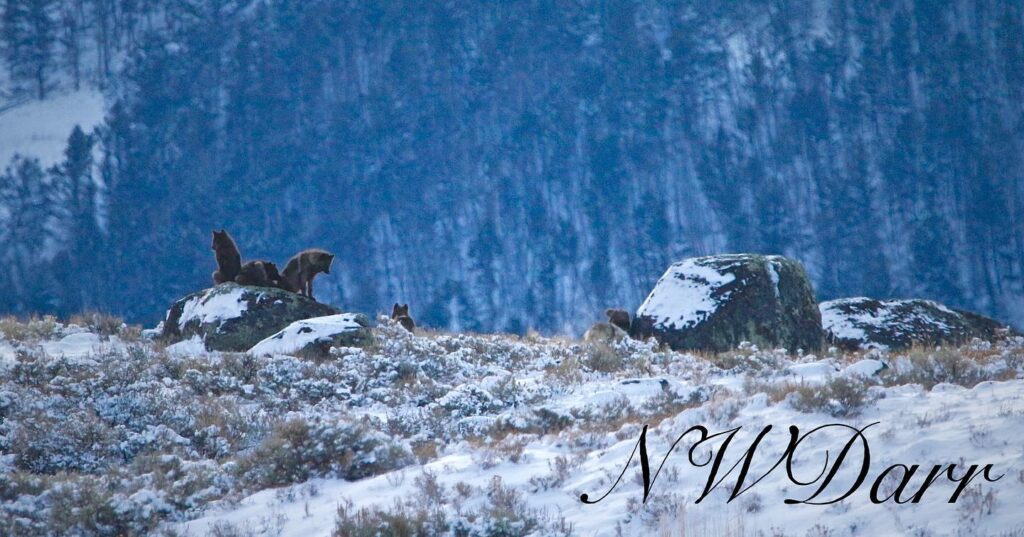
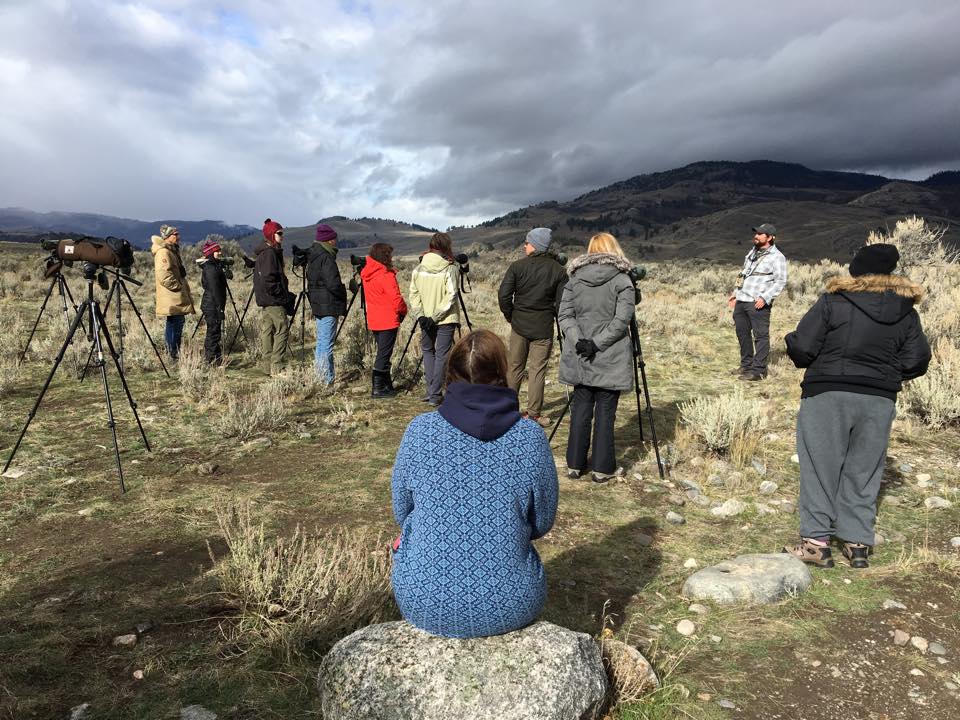
Currently in Yellowstone, the top carnivore community has not been this healthy and abundant since the times of Lewis and Clark. We owe that to the ESA. It protects key habitats for imperiled species.
And that means millions of acres of public lands that people from around the world come to enjoy while hiking, wildlife watching, fishing, and other outdoor activities. In short, having functioning ecosystems on stunning landscapes equates to stable, long-term prosperity for us.
I have benefited personally from this law, with a wildlife watching business that allows me to help people experience incredible wildlife. The success of my business simply would not be possible without the strong protections of the ESA, which is why I reject any notion that this law needs to be weakened or changed.
————————————————
Also read: