by Dorothy Bradley
I have an image in my mind. I’m sitting across the table from an avid mountain biker, and discussing whether bikers would consider foregoing straight-down-the-mountain thrill seeking on a particular peak if it was going to cause the demise of wolverines.
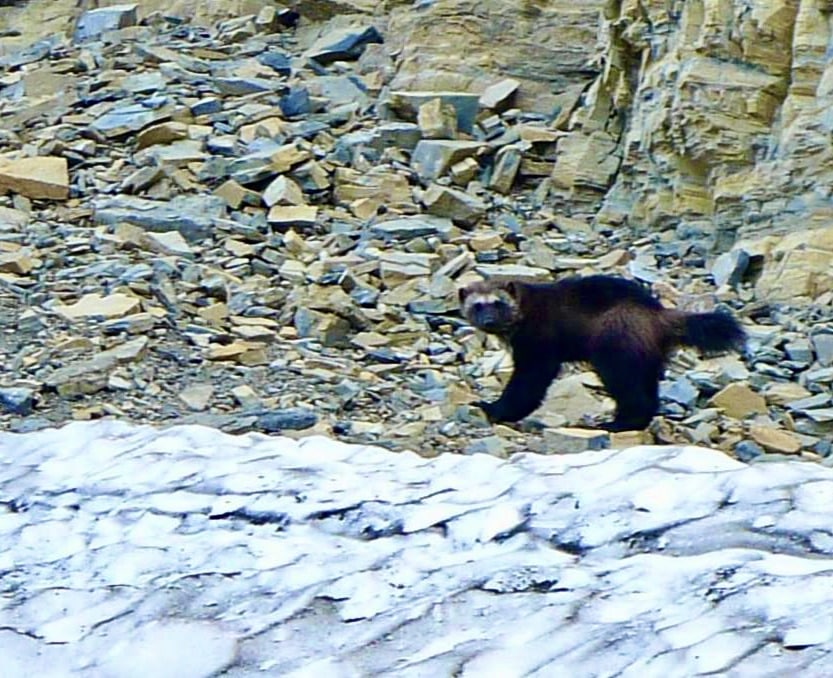
After all, there are only around 318 wolverines remaining in the Lower 48. Worse, their reproducing number is probably around 40. These amazing creatures are on the brink. Surely, we can come together to say there is room in Montana for all of us.
Then I remember a public hearing not long ago on that very topic except it was grizzly bear habitat and not wolverines. After a question, one biker said, “The bears have had these mountains for thousands of years, and it is our turn now.”
I want to be clear that I support biking, but just not in critical wilderness-caliber lands. And I can’t help wondering about the origin of this sense of “our turn now” entitlement.
All my life I have loved Broadway Musicals. I have a bazillion favorites, but South Pacific is near the top. A particular song, reflecting on racism, comes to mind. Evidently, back in 1949, Rodgers and Hammerstein had to fight to keep it included in the Broadway production.
The lyric goes like this:
You’ve got to be taught to hate and fear,
You’ve got to be taught from year to year,
It’s got to be drummed in your dear little ear—
You’ve got to be carefully taught!
If one is so dismissive of the land community, and so irreverent of species that are teetering on the edge of extinction, how is such an attitude being taught and where is it being nurtured? Children are not born with it.
It takes only a couple hours of watching evening TV to find one answer. Just settling in to relax and catch a little news, one is subjected to mass advertising of automobiles speeding through beautiful streams spraying muddy water every-which-way; trucks pulling every kind of trailer filled with every kind of cargo driving breakneck down a dirt road grinding ruts into fragile landscapes; built-tough vehicles crossing huge rocks, spinning straight up steep hills, and parking on the tops of mesas. Oh yes. Let’s go places. And it appears that Americans are hooked.
This week we learned that the mountain goat population of Glacier National Park is plummeting right along with the glaciers. We are also learning that appropriate potential locations for upcoming Winter Olympics are plummeting along with snowfall. Wolverines are rapidly losing wintry habitat they evolved with and need during crucial phases of their lives
We all weep a tear for the goats and wolverines, but a minute later we go into high gear figuring out how to make snow and ice, not just for Winter Olympics but for winter enthusiasts everywhere. Never mind that this requires yet more water and energy. And just as grim, we now hear proposals to buy and turn ski areas into fancy non-snow recreation areas—with lots of mechanical/industrial opportunities which would enable the invasion of yet more habitat of struggling wildlife species—like mountain goats and wolverines.
If we want to counter this attitude of disregarding the natural world we must be more effective in our teaching its beauty, fragility, and overwhelming importance in our own well-being. It is a matter of paying attention. It is a matter of being carefully taught. It is a matter of having empathy and making space for the survival of other species.
We have a wonderful opportunity in April to celebrate this country’s 55th Earth Day, and learn the latest about ecosystems, the natural earth, opportunities galore that are desperate for our help, and above all, that we are beginning to put our own human species at risk.
We’ve got to be carefully taught and we must strive to carefully teach. As they say, if we can be taught to hate we can be taught to love.