EDITOR’S NOTE: Bill Simkins hails from a long line of business entrepreneurs in southwest Montana and the Gallatin Valley. Members of his extended clan have been involved in the lumber, home improvement and retail industries and for several years he was a principal in development of the Town Center in unincorporated Big Sky which has become an anchor of commerce in that sprawling resort community. We find this essay notable, for Simkins lays out the reasons why, after watching the impacts of growth, he supports full protection of 155,000-acre Hyalite-Porcupine-Buffalo Horn Wilderness Study Area, arguing it is important for protecting world-class wildlife in the Gallatin Range, vital to the ongoing ecological function of nearby Yellowstone National Park, that conservation is good for the economy and will be a gift of wildness to future generations.
by Bill Simkins
I am a fourth generation Montanan dating back to the 1880s when my great grandparents homesteaded in Custer County in eastern Montana.
I believe that I — as do all of us — have an obligation to do all we can to ensure that future generations are able to experience the greatness of the unrivaled natural environment that is Montana and the Gallatin Range.
Recently there has been a considerable amount of commentary about the Hyalite-Porcupine-Buffalo Horn Wilderness Study Area (WSA) and the Gallatin Forest Partnership (GFP). The GFP’s proposed legislation is called the Greater Yellowstone Conservation and Recreation Act (GYCRA), a deception if there ever was one.
A historical reminder is important to remember. The Wilderness Study Area was established in 1977 for the purpose of preserving this critical wilderness and wildlife area as it existed at that time for a likely transition to a permanently protected status.
There is a paramount reason why the Wilderness Study Area should be saved in its entirety. We have a moral obligation to pass on our extraordinary environmental heritage that we have been able to enjoy living in Montana to our children and grandchildren and all future generations. What we have here is beyond amazing. What a travesty to lose the majesty of an intact WSA for some sort of hard core recreational or short term monetary gain.
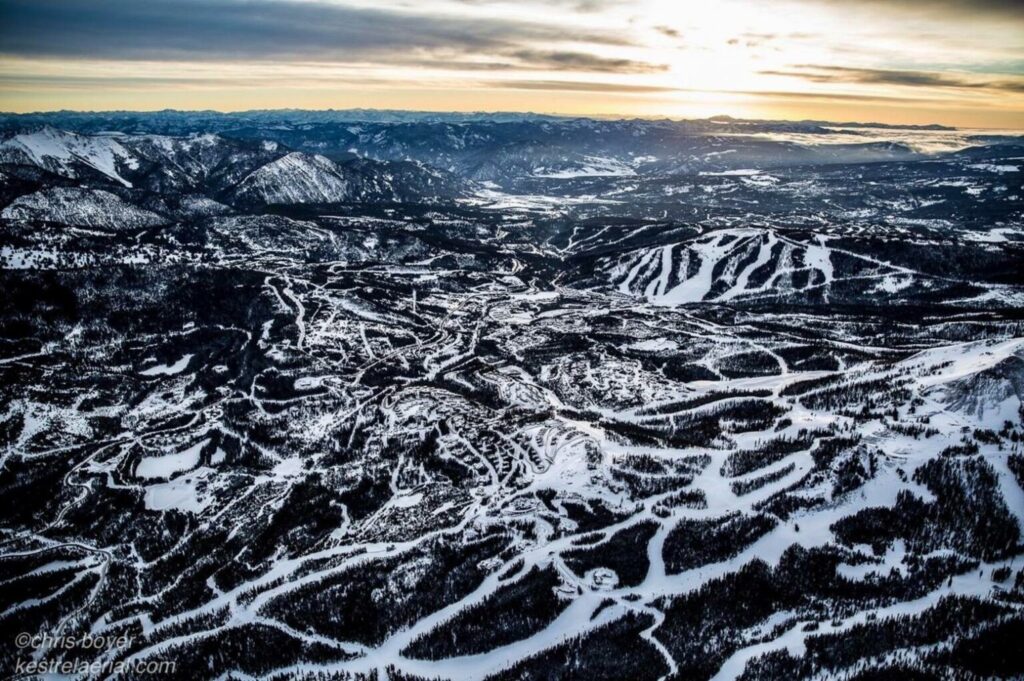
The creation of the WSA back then was considered to be part of a grand compromise in that the west side of U.S. Highway 191 in Big Sky was released from public ownership for development purposes, which includes the development of the entire Big Sky community, and the east side of the highway, which includes the WSA was intended to be preserved for environmental purposes such as wilderness and wildlife protection, as defined in the Wilderness Act of 1964.
Congress has not followed up with legislation to determine whether the WSA would be added to the National Wilderness Preservation System.
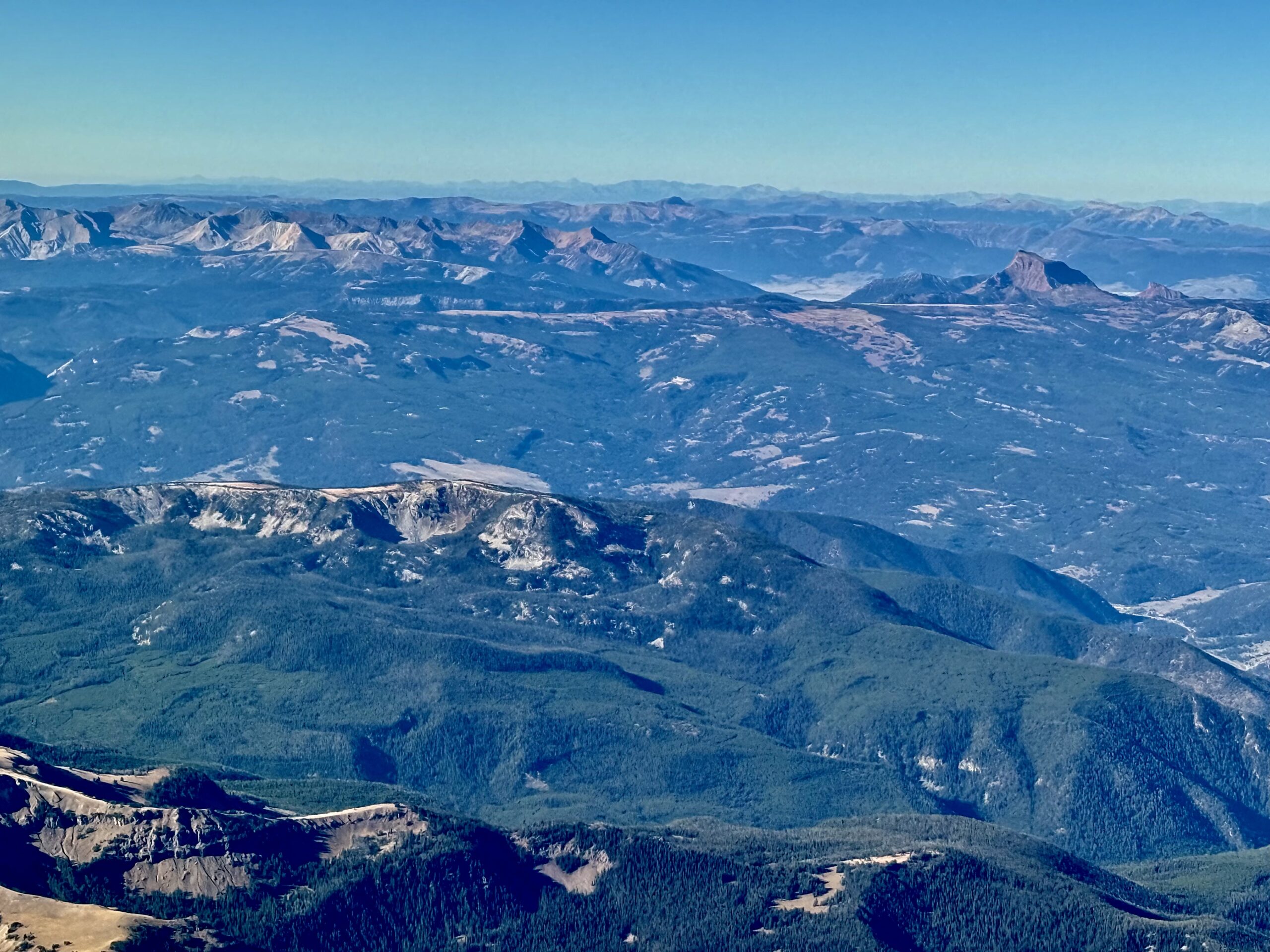
The WSA is a critical component of the Greater Yellowstone Ecosystem. The area within its boundaries functions as a crucial wildlife corridor between Yellowstone National Park and the northern edge of the Gallatin Range. The GFP plan carves up the WSA into separate areas benefiting certain developed recreational interests such as mountain biking, including the much more intrusive electric mountain bikes and certain commercial business interests such as logging and mining.
Of the current 155,000 acres contained in the current WSA, only a much smaller 97,000 acres would be preserved as a permanently protected wilderness area with the highest degree of protection.
What dismays me the most about the GFP is the new twist of leadership of these organizations that hold themselves out as being protectors of the environment, particularly for wilderness and wildlife protection. These environmental organizations are Wild Montana (formerly the Montana Wilderness Association), Greater Yellowstone Coalition and The Wilderness Society but whose plan acts in deference to mountain biking interests who favor access and less wilderness which would allow them to ride but result in less secure habitat for many iconic wildlife species living there and moving in and out of Yellowstone Park.
I cannot reconcile the stated missions of these organizations with their collaborating with commercial interests to gut the WSA lands.
There is a paramount reason why the WSA should be saved in its entirety. We have a moral obligation to pass on our extraordinary environmental heritage that we have been able to enjoy living in Montana to our children and grandchildren and all future generations.
What we have here is beyond amazing. What a travesty to lose the majesty of an intact WSA for some sort of hard core recreational or short term monetary gain. Once the WSA is destroyed we can never get it back again!
Another important consideration is the economic aspect of the WSA.
Contrary to the belief of many, I believe the WSA and the rest of the Greater Yellowstone Ecosystem is great for business. As a businessman I have worked for many years with the development of the Big Sky Town Center, where I learned about the existence of the WSA and its importance to the ecological health of our entire region.
My experience working in Big Sky indicated that the main driver that brought visitors and new residents to this area is the wonder for the incredible beauty of our state. For many of these people including myself, there is a deep spiritual connection to the land.
This permanent spiritual driver is also economic, and the WSA should not be sacrificed for short-term monetary gain.