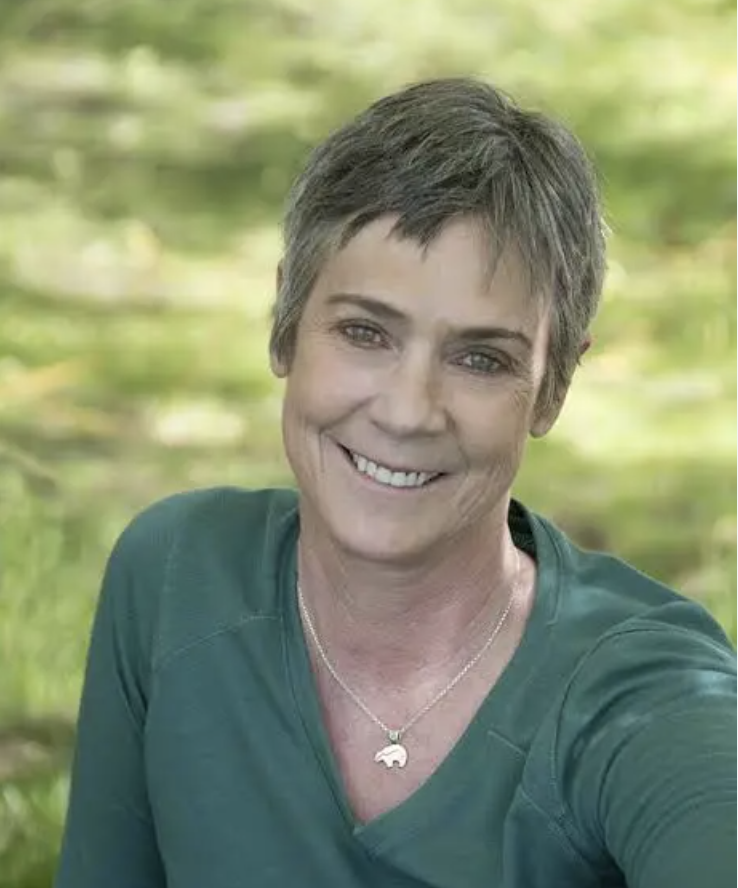
EDITOR’S NOTE: For several decades, conservationist Louisa Willcox was synonymous with public lands protection in the Greater Yellowstone Ecosystem and, as program director of the Greater Yellowstone Coalition, she and colleagues were the reason that GYC became known as one of the most effective regional wildlife protection organizations in the country. Married to the late grizzly bear scientist, Dr. David J. Mattson, Willcox has assumed a less public profile in recent years while writing for The Grizzly Times and living in Park County, Montana. Working to protect the Gallatin Mountain Range, which is visible from her home, has been a priority for decades and is more urgent than ever now, she says.
by Louisa Willcox
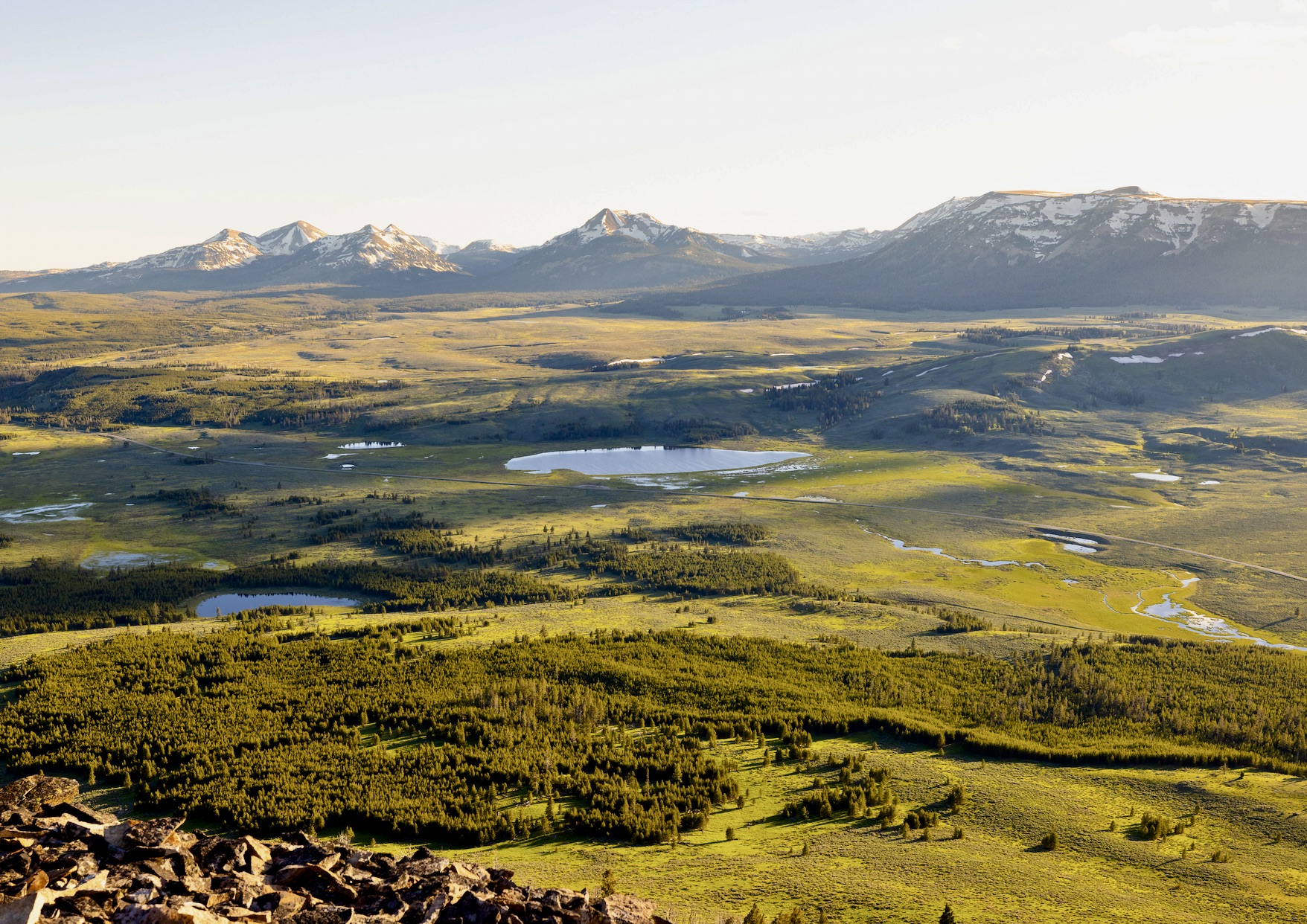
For the last 35 years, each morning, a stunning view of the Gallatin Range has greeted me. Today, stern gray clouds shroud the peaks and promise rain — rain that was missing over much of the parched summer.
In reflecting on the proposed Greater Yellowstone Conservation and Recreation Act and promotional letters in the Bozeman Daily Chronicle, I am struck by what is missing: Consideration of science and the public good.
The Gallatin Range, the largest unprotected roadless area in the Greater Yellowstone Ecosystem (GYE), is an ecological gem, boasting species such as grizzlies and wolverines that humans have extirpated from almost all their former habitat. That’s why Greater Yellowstone Coalition, The Wilderness Society, and Wild Montana used to long advocate for preserving all remaining roadless lands.
As program director of GYC from 1985 to 1995, and later, on behalf of other groups, I worked cheek-by-jowl with these organizations to advance this goal.
These organizations, which today comprise the Gallatin Forest Partnership, now propose weakening protections for the Gallatin Range. Why? What’s changed?
The name “Greater Yellowstone Coalition” was inspired by the work of Frank and John Craighead, who coined the term “Greater Yellowstone Ecosystem” in the 1970s to describe the lands used by grizzly bears. They knew that saving grizzlies protects not only other wildlife species, but also the ecosystem — and the broader public interest.
Recognizing that science is vital to protecting the ecosystem, GYC created a science advisory council of world-renowned experts in the 1980s. The council agreed that preserving as much wilderness as possible was necessary to keep the wild heart of the ecosystem beating and to buffer against human impacts and uncertainties.
At one meeting, I asked: “Exactly how much wilderness do we need to protect?” The answer: “Every last square inch.”
This federal administration is discarding science and gutting land and wildlife agencies. It is escalating logging, mining and other development while barring the public from decision-making processes. Without resources or an institutional commitment to monitor the consequences of their actions on the ground, managers end up flying blind.
What’s changed since then? Threats to wild country have mounted on a scale and in ways few foresaw. A tsunami of development around Bozeman is shrinking critical wildlife habitat. More people in the backcountry means more disturbance and displacement of sensitive wildlife at a time when climate change is worsening habitat conditions.
Moreover, the federal administration is discarding science and gutting land and wildlife agencies. It is escalating logging, mining and other development while barring the public from decision-making processes. Without resources or an institutional commitment to monitor the consequences of their actions on the ground, managers end up flying blind.
Meanwhile, more scientists are speaking out, calling for the preservation of more wild country, restoration of degraded lands, and adoption of a “look before you leap” approach to managing land and wildlife.
Top grizzly bear experts, including Frank Craighead’s son, Lance, and my late husband, David Mattson, agree that bears need more space and human tolerance to survive ongoing climate-driven changes to native foods, and that recovery is possible if we protect remaining habitat, including all roadless lands in the Gallatin Range.
What is the scientific basis of the partnership’s legislative proposal that would allow activities harmful to wildlife in 40% of the Hyalite-Porcupine-Buffalo Horn Wilderness Study Area? Its online materials do not explain. But opposition to the bill from world-class scientists speaks volumes.
Why is the partnership pushing this proposal now, when the government is poised to rescind the Roadless Rule and unleash harmful activities in over half a million acres, or about one-third of the Gallatin Forest — not to mention 45 million acres of national forest lands across the country? [Also read this exhaustive analysis from Dr. Reed Noss about the impacts of roads on wild places].

What about the consequences of pursuing this bill and splitting the Bozeman-area conservation community at a time when it must be unified against this administration’s unprecedented assaults on the natural world?
At this juncture, the partnership should stop pushing its proposal and address what is missing: Science. A next step could involve bringing together scientific experts and interested members of the public to improve our collective understanding of the human impacts of recreation (all kinds) on wildlife and habitat in the Gallatin and the ecosystem more broadly, including the implications of a changing climate and a growing human population.
Hikers, bikers, snowmobilers, students, and others could also help the cash-strapped Forest Service collect vital information about human use on the forest, which would help all of us better understand the nature and extent of human impacts on wildlife — and how to minimize them.
A broader, science-based conversation will help clarify the choices we face if we want to ensure that species flourish in a rapidly changing world.
The Bozeman area is blessed with conservationists and world-renowned experts with a wealth of relevant experience and knowledge that, collectively, span centuries.
Many would eagerly help develop effective strategies to protect our wildlands and wildlife — and all of us.