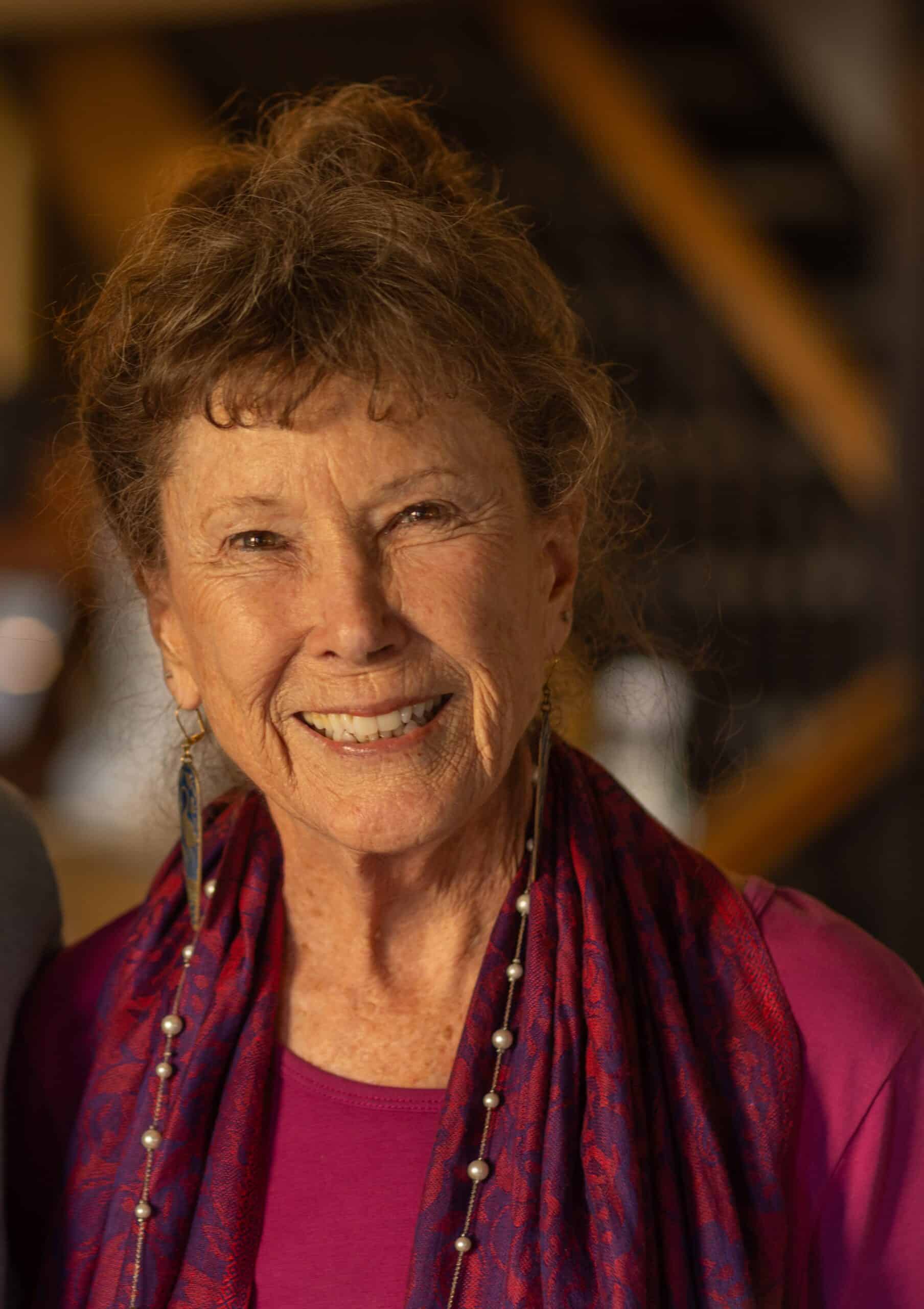
by Dorothy Bradley
This year the organization known as American Prairie is celebrating 25 years of implementing The Impossible Dream— assembling a piece of Montana prairie big enough to sustain a collection of its original wildlife and carrying it into the future for posterity.
But then again, maybe it wasn’t impossible after all.
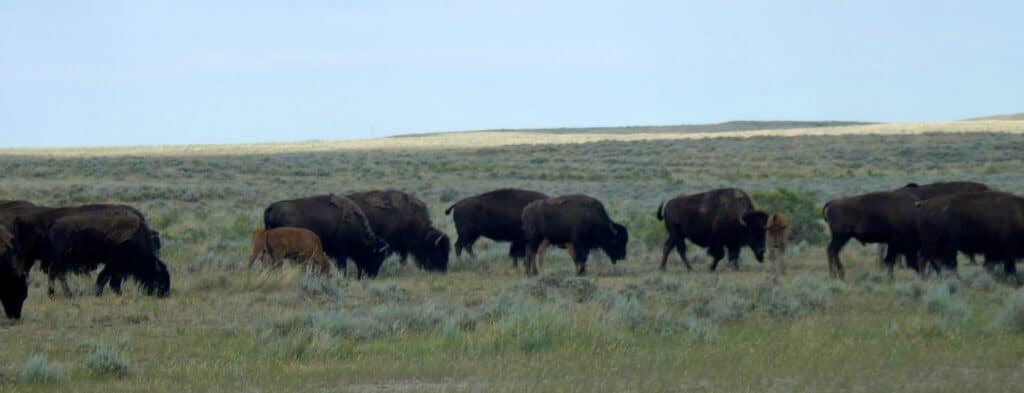
I was around at the origin of American Prairie. After I learned about the plan, I leapt in with both feet. Growing up near Yellowstone Park in a family of adventurers, and running free over that glorious countryside, it was easy to appreciate the idea of a protective home for the buffalo. But a mountainous environment with deep snow winters is not an ideal place for our country’s National Mammal, nor one that resembles their environment of origin.
To dream of seeing them thrive in a hunk of Montana’s natural prairie habitat was breathtaking, although I couldn’t help but be skeptical of carrying out such a grand plan.
But American Prairie staff, supporters, and friends have done just that — and with so many “extras” that it is worth our gratitude, or at least our awe.
Without going into lists, I will note that American Prairie has diversified the economy of east central Montana, creating new jobs when many traditional ones and the overall population are decreasing. It has created a state-of-the-art Discovery Center on Main Street in Lewistown that is as valuable to our state as the Charlie Russell Art Museum in Great Falls and the Montana Historical Society Museum in Helena, both of which I love.
AP has partnered with ranchers in land arrangements, has paid a ton of property taxes, and offers a world of public opportunities including camping, hiking, photography, hunting and science pursuits. Its annual bison harvest has supported many charities and its Prairie Field School has provided exciting education for thousands of our Montana kids.
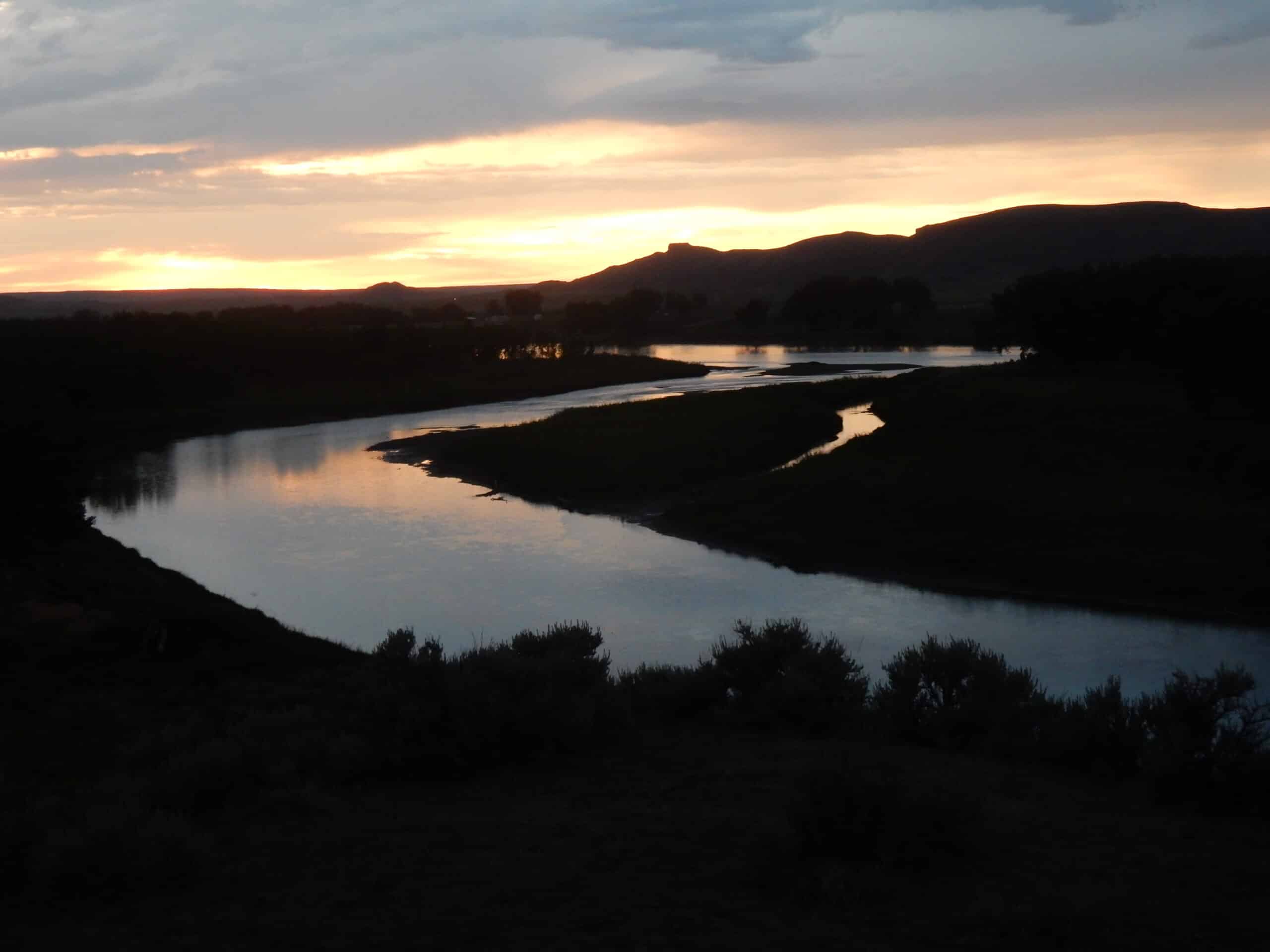
have taken friends to American Prairie for a number of years, not so much to create advocates as to see it in action. We stayed in a beautiful hut, a historic hunting lodge, and a yurt. The experiences provided the kind of memories that you will hold close forever. Seeing the sun set on the Missouri can do that.
I felt the deepest pride when American Prairie purchased the Anchor Ranch in Blaine County this year, and re-opened the Bullwacker Road providing access to 50,000 acres of public land in the Upper Missouri Breaks. And in 2024, American Prairie donated 109 acres from the historic PN Ranch to the State Parks Foundation to become our newest state park, Judith Landing. My only regret about the PN is that it will have to be in my next life when I am the Grande Dame of its historic ranch mansion in a stand of immense cottonwood trees that someone wistfully planted years ago.
I can’t help but compare this gift with another Montana trend. My childhood stomping ground on the west side of the Gallatins is so overrun by people and destructive recreation that Montana’s wildlife and citizens-seeking-solitude are being pushed aside and out. My elk hunting friends report massive hunting failure this year since the animals – not stupid – move onto big swaths of billionaire ranches during hunting season where the general public is enthusiastically excluded.
Some of the same billionaire ranches are morphing into golf courses in places that defy the imagination, giving little thought to re-directing precious water which can only have negative impacts on agriculture and fisheries.
I always thought I could run away to Lewistown if Bozeman overwhelmed me. In so many ways, it is Montana’s ideal town. I got waylaid in the Crazy Mountains, but I am grateful for some of its citizens who are beginning to assess the promise of American Prairie. Change is so difficult for we humans. But I would choose the option of welcoming people and protecting animals over buying everything and locking the gates.