We have the tape! View Yellowstonian forum that caused leaders to acknowledge sprawl is biggest threat to iconic Greater Yellowstone wildlife. And it has implications for every mountain town and valley in the Rockies
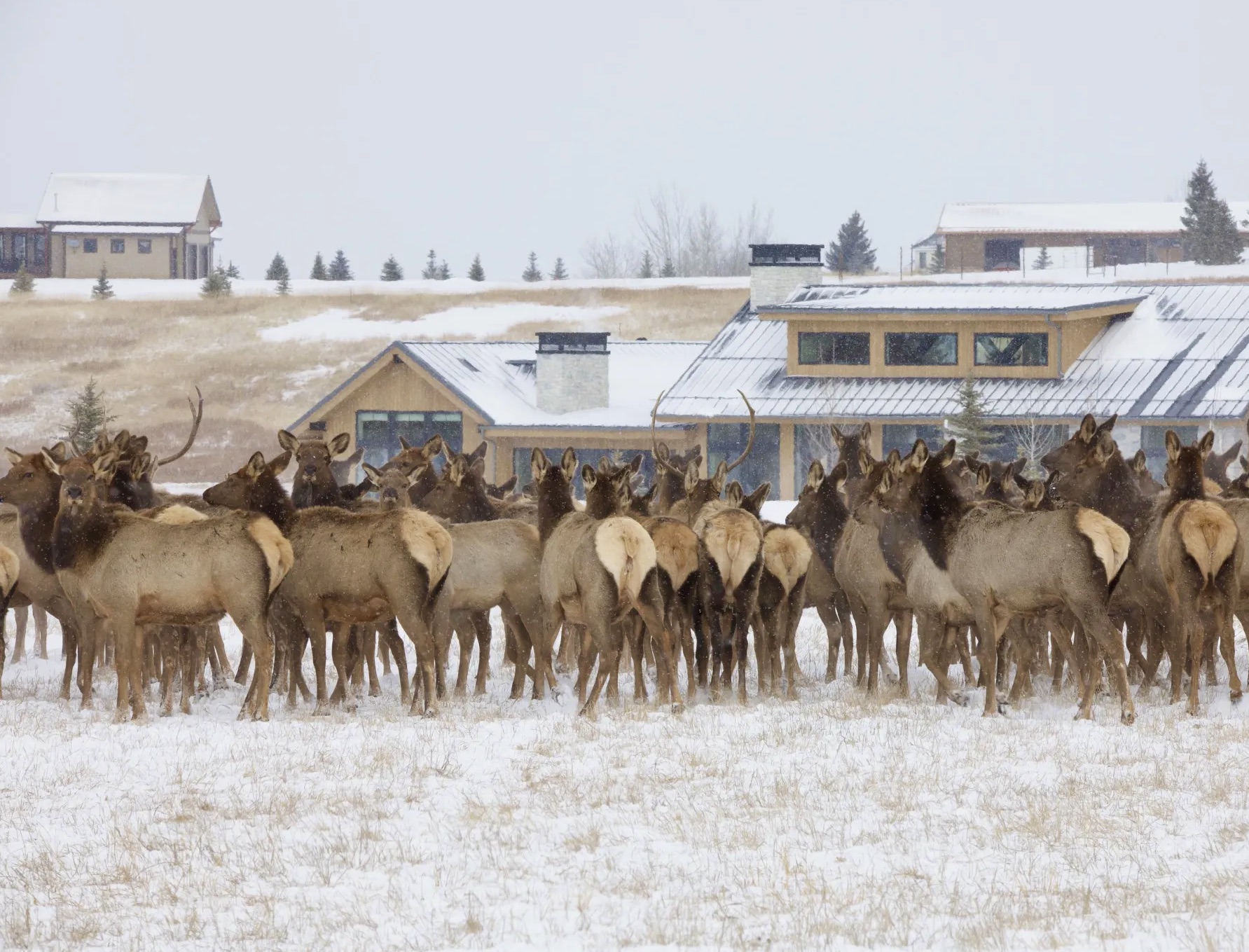
Squeezed out of habitat. A band of elk in Greater Yellowstone huddle together on winter range that has been usurped by residential sprawl. Photo courtesy Holly Pippel. Check out more of her fine art and documentary nature photography on Instagram @hollypippel
by Yellowstonian
The wild backyard of the Lower 48, which has Yellowstone National Park at its heart and has been dubbed “the American Serengeti” for its spectacular diversity of iconic wildlife, is changing at breakneck speed. While some gains in land conservation have been made they are not keeping pace with the amount of vital wildlife habitat, open space, working farms and ranches and rural culture being lost to sprawl.
At a recent international conference on wildlife held in Jackson Hole and sponsored by the University of Wyoming’s Haub School of Environment and Natural Resources, a consensus was expressed by federal and state land managers, scientists, conservation organizations, ranchers, and others operating in the Greater Yellowstone Ecosystem.
The conclusion was that growth issues on private land represent the most urgent threat to Greater Yellowstone’s grizzly bears, big game herd migrations, blue ribbon rivers, and sense of place that sets many of its communities apart in the West.
Several people at the conference said their assessment was catalyzed, in part, by an earlier event in 2025 focused on growth challenges that was co-hosted by Yellowstonian and held at the Museum of the Rockies in Bozeman last spring. That evening was titled “Loving Our Wild Backyard: How Can We Save The Mini-American Serengeti.” From the Red Desert at the southern end of the Greater Yellowstone in Wyoming to White Sulphur Springs at the ecosystem’s northern edge in Montana, and from Dubois, Idaho on the west of Greater Yellowstone to the Big Horn Basin on the east, we’ve heard from lots of people who wanted to know if Yellowstonian taped its forum of experts speaking about sprawl.
We’re happy to say that yes it was, thanks to our main collaborative partner Gallatin Valley Earth Day, and together we’re presenting it to you here. At that memorable evening, Yellowstonian provided an overview on how exploding and largely unchecked development pressure on private lands is affecting nature and causing fiscal crises for many counties.
We are confident you will find the recording above, which you can view for free, to be intellectually stimulating and worthy of your attention. What was said there has implications for mountain towns and valleys throughout the entire spring of the Rockies. The five experts were Deb Davidson of the Center for Large Landscape Conservation, Chet Work, executive director of the Gallatin Valley Land Trust, Cindy Riegel, former chair of the Teton County, Idaho Board of Commissioners and founder of a new planning organization called Project Greater Yellowstone, planner Randy Carpenter who is executive director of Friends of Park County dealing with growth issues between Yellowstone Park and the Crazy Mountains, and Eric Ruark who has tracked the trends of wealthy retirees and entrepreneurs moving in from other parts of the country.
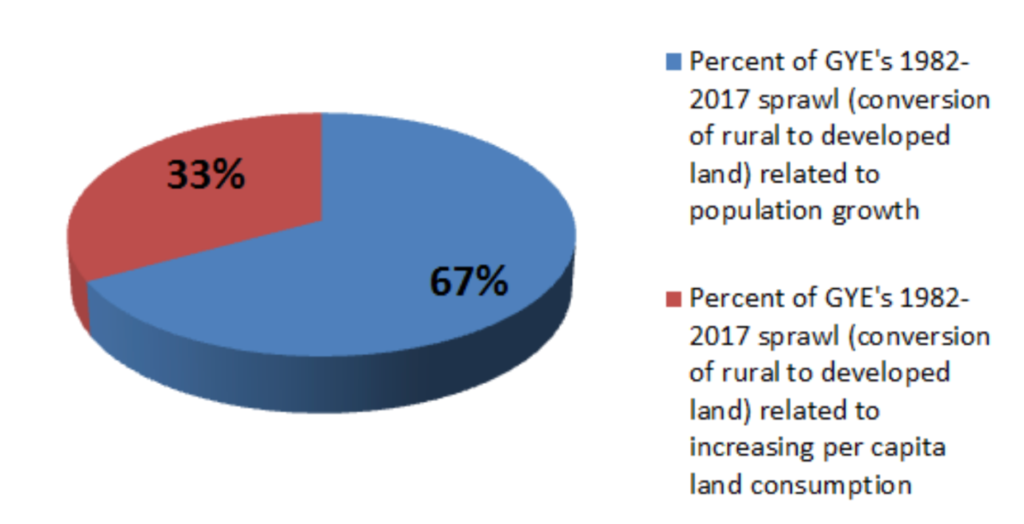
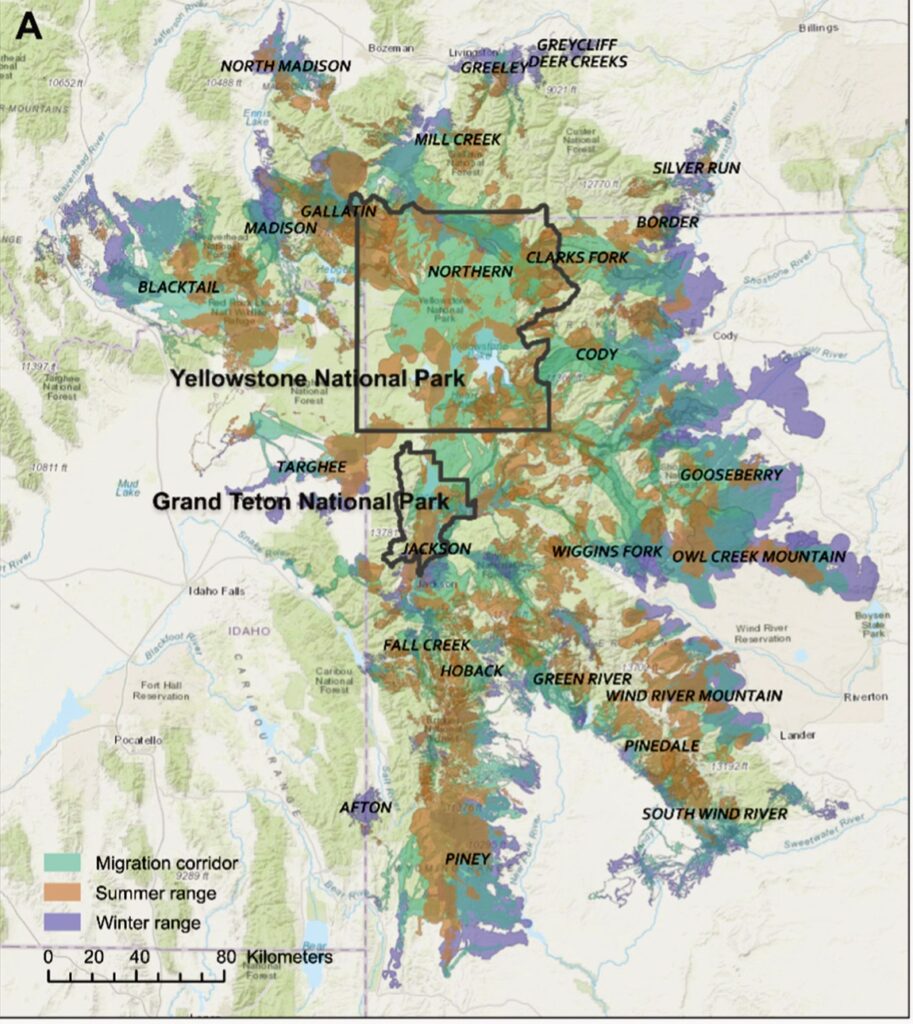
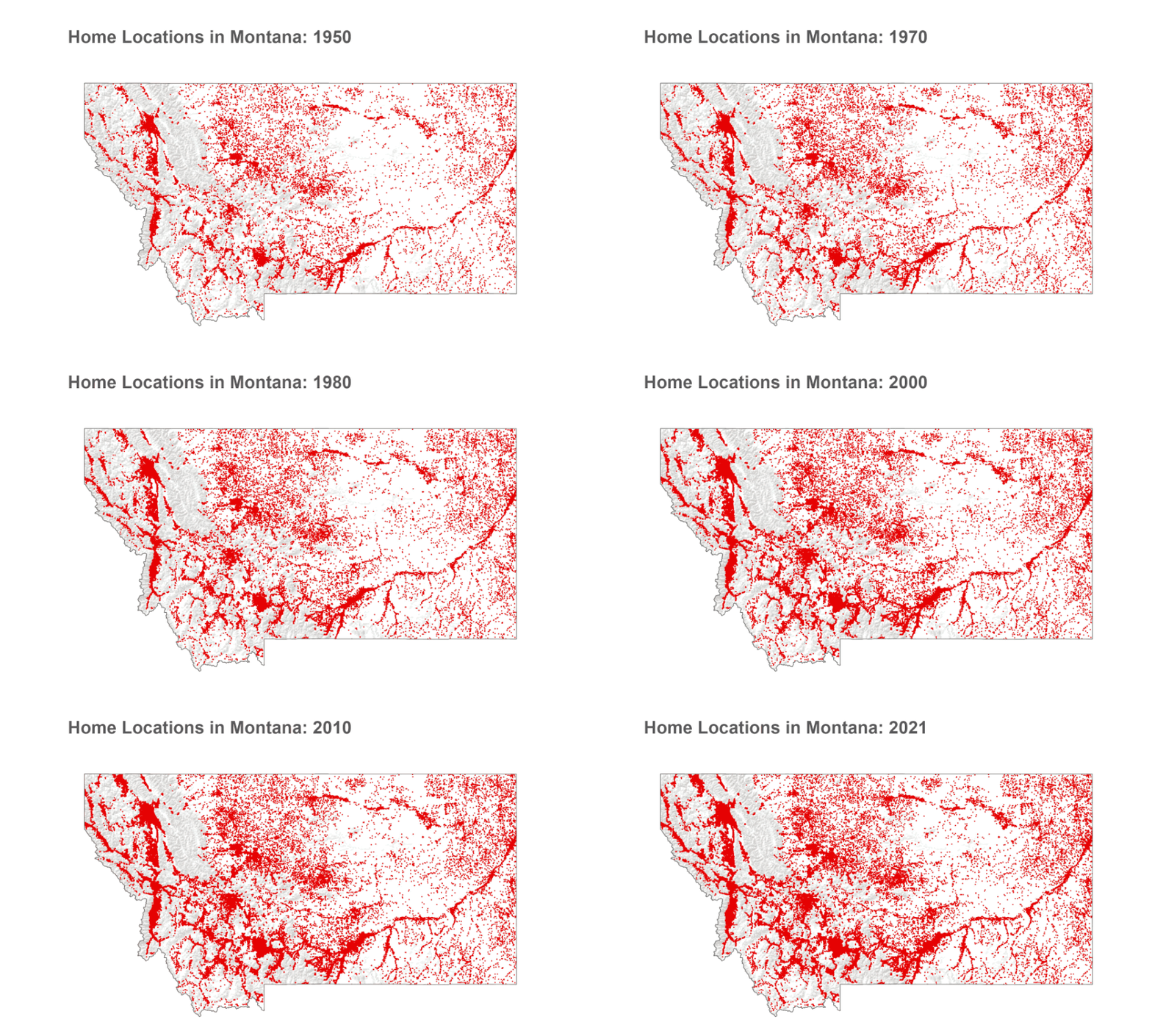
Data in two of the graphics above provided by Leon Kolankiewicz, who has worked on over 100 NEPA analyses for federal land and wildlife agencies across the country, involving EISes, management plans for several national wildlife refuges and reviews of proposed development. Stunning are two facts: First, Kolankiewicz notes that his calculation does not include the number of homes and retreats that will be built by seasonal residents in the years ahead and inhabited at most for a few months each year. Still, the footprint of their impact and costs to service them is permanent. In Park County, Montana, for instance, the number of new structures built over the last 10 years was greater than the rise in local population and many were constructed in rural areas in prime wildlife habitat. Second, the pie chart, above, tracks the impacts of sprawl to 2017, and does not include the effects that have occurred since and accelerated as a result of the Covid epidemic. It brought still-surging levels of exurban sprawl, rapidly expanding outdoor recreation infrastructure and more people (both higher numbers of locals and short-term visitors) using public lands and rivers.More than 20 different researchers studied 1088 elk in 26 different herds in Greater Yellowstone. They wanted to find how much wapiti depended on unfragmented private lands to migrate and find habitat security on winter range. They wrote: “Our results show that elk in the GYE rely heavily on private lands beyond protected areas. Additionally, we found that elk face a variety of potential landscape-scale conservation challenges such as habitat fragmentation from human development and infrastructure. Given that elk play an important role ecologically, economically, and culturally in this ecosystem, our results highlight the importance of private lands, in addition to formally protected areas, in conserving migratory ungulates and the habitats that they rely on.” The study underscores the importance of private lands and the threats posed by sprawl. In a larger context, but which is not the emphasis of this study, sprawl that negatively affects elk also displaces most species and can have population-level adverse consequences over time. Relatedly, rural sprawl drains the budgets of rural counties because the costs to deliver law enforcement, firefighting, road maintenance, emergency medical services, schools and other public needs are disportionately higher. Moreover, because old individual septic systems often fail and represent pollution threats to ground and surface water, hooking up rural denizens to community sewer and water can be enormously expensive. In many counties, citizens either pay directly to subsidize the costs of sprawl or monies normally available to pay for other services are diverted to aid rural subdivisions and their seasonal inhabitants.This graphic above by Headwaters Economics and featured in the presentation made by Todd Wilkinson of Yellowstonian is eye-opening in a visceral way. It shows the progression of new homes being added to the landscape of Montana over time starting in 1950. Note how the concentration of red dots resembles the spreading pattern of a disease pandemic, deepening in its permanent imprint across 70 years and picking up pace during the last 20 years. Like the graphics above it prepared by Kolankiewicz, this graphic does not include the intensifying pattern of new homes and structures that further inundated valleys in the western mountains of Montana during the Covid pandemic. They represent crucial “interstitial spaces” of private land habitat between public lands—areas often serving as open lands that wildlife need to roam seasonally between habitat, where they can survive when winter snows arrive and where they normally would have habitat security free of urban pressures. Many of those places have been stewarded by working farms and ranches, but in recent decades many lands not under conservation easement have been purchased by new buyers and converted into resorts, recreation properties or subdivisions that cannot be stopped due to weak planning and zoning. While this graphic is focused on Montana, consider it a proxy for the kind of subdivision pressures also present or ramping up in southern Jackson Hole, the South Fork and North Folk of the Shoshone River drainages outside Cody, in Dubois/Wind River Valley, the Upper Green River Valley, Star Valley, Bondurant/Hoback, Teton Valley and along the South Fork of the Snake River in eastern Idaho, and Island Park/Henrys Lake Flats. In particular in Montana, areas of Greater Yellowstone dealing with leapfrog sprawl are Raynolds Pass and the southern Madison Valley in a crucial world-class wildlife crossroads, Greater Bozeman-Belgrade/Bridger Canyon/Bozeman Pass/Three Forks/Broadwater County, Paradise Valley extending from Livingston south to the front door of Yellowstone National Park and side tributary drainages of the Yellowstone River, the Shields River valley around the foot of the Crazy Mountains, and rural areas encircling Red Lodge, Montana. Experts say that sprawl-related issues that are not confronted up front with sensible land use planning and deliberate focus placed on protecting wildlife, open space, underground water and ag lands become exponentially more expensive to try to remedy or mitigate once they become fully manifested. De-wilded areas cannot be re-wilded. Local character of place and rural community charm cannot be brought back. Subdivisions never go away; in a matter of just a few years, they negatively transform landscapes forever that have largely existed in a wild/natural/pastoral condition, capable of supporting wildlife, for the previous 12,000 years.
The outdoor recreation mecca of Big Sky, Montana (read our comprehensive special report below) is seen by planners, scientists and citizens around the Greater Yellowstone region and Northern Rockies as the example of how not to grow responsibly with sensitivity paid to world-class wildlife, the special character of a renowned river—the Gallatin— and neighboring public lands that have a vital biological connection to Yellowstone National Park. Developers in Big Sky boast that the community is only at 65 percent of its desired buildout. Not one conservation organization in Greater Yellowstone, nor have the state or Gallatin and Madison counties called for a cumulative effects analysis to assess the environmental damage that already has occurred in the West Fork of the Gallatin River which Big Sky encompasses and what will come in the years ahead with a lot more structures and people added to the landscape there—located inside terrain that the US Forest Service ranks in the 96th percentile nationally of communities most at risk to burning in a wildfire. The lack of oversight, indifference from the conservation community and deference given to resource extraction interests would never happen, veteran conservationists say, if Big Sky were instead a hardrock mine on public land. Why is Big Sky essentially given a free pass from ongoing scrutiny? The answer to this question, they note, gets at the vexing center of a problem. Why is the most pressing wildlife conservation threat to America’s most prominent eco-region, which is a bellwether for the world, not being treated with urgency and why do leaders—public land managers, elected officials, conservation organizations and the business community— have no strategy for crafting a vision to confront it?
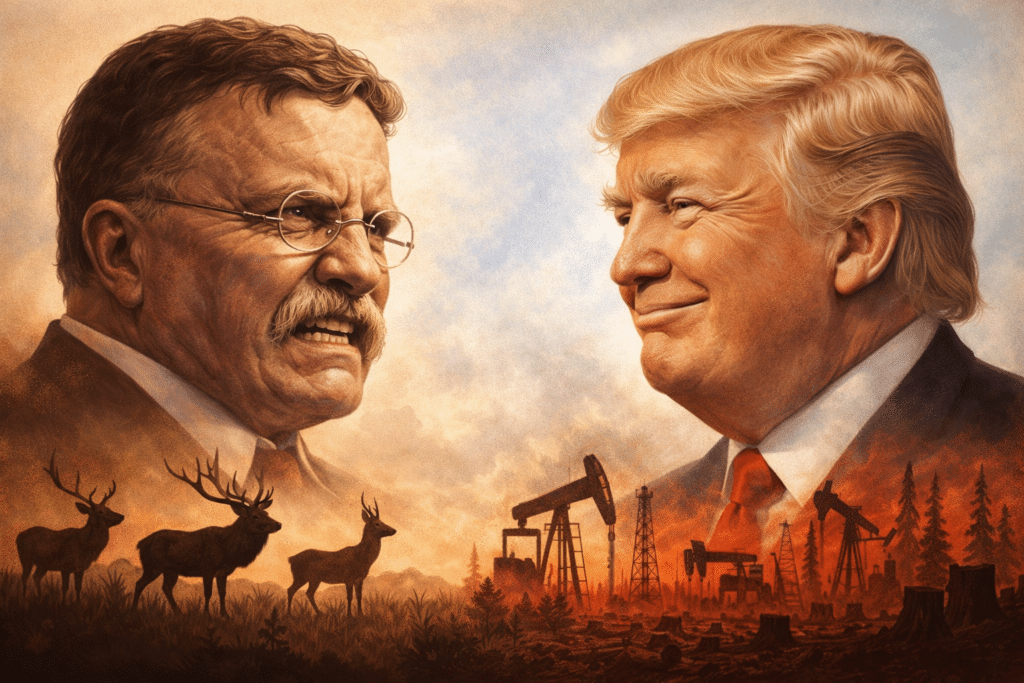
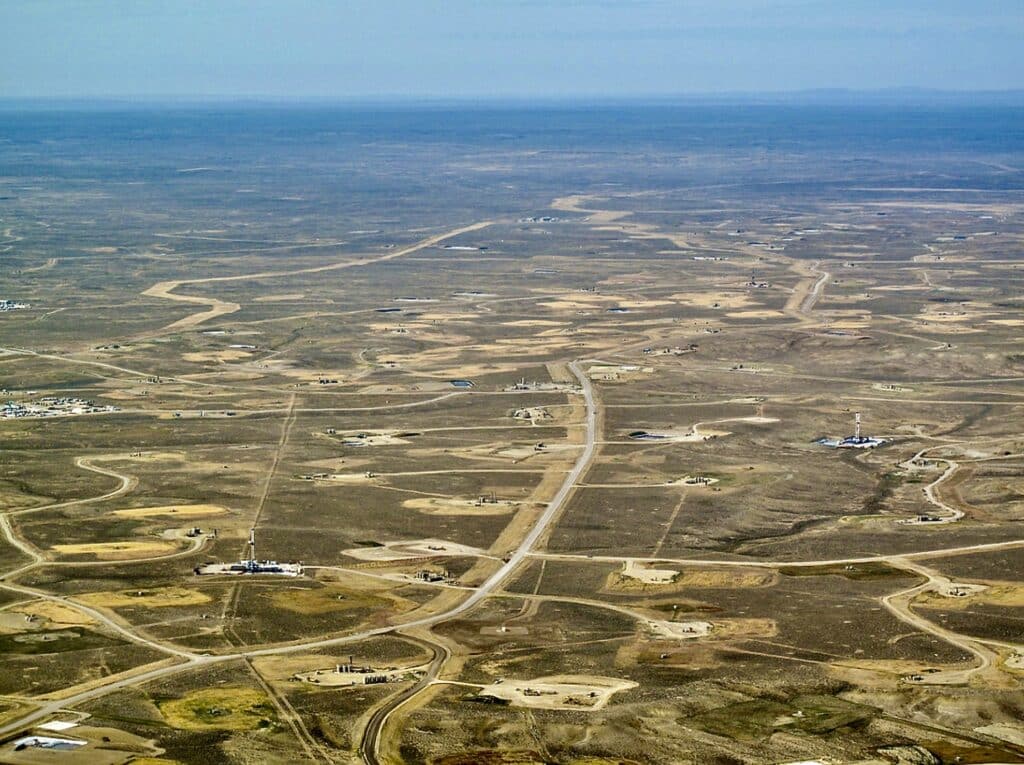
Unbelievably, we are not making this up. Read the press release issued by Interior Secretary Doug Burgum on how unprecedented natural resource extraction will "Make America Beautiful Again" in a new "Golden Age"
Even amid the battle cry of keeping American "public lands in public hands," free market influencers are at work pushing to privatize the assets of those lands only to let future generations deal with the unwanted consequences
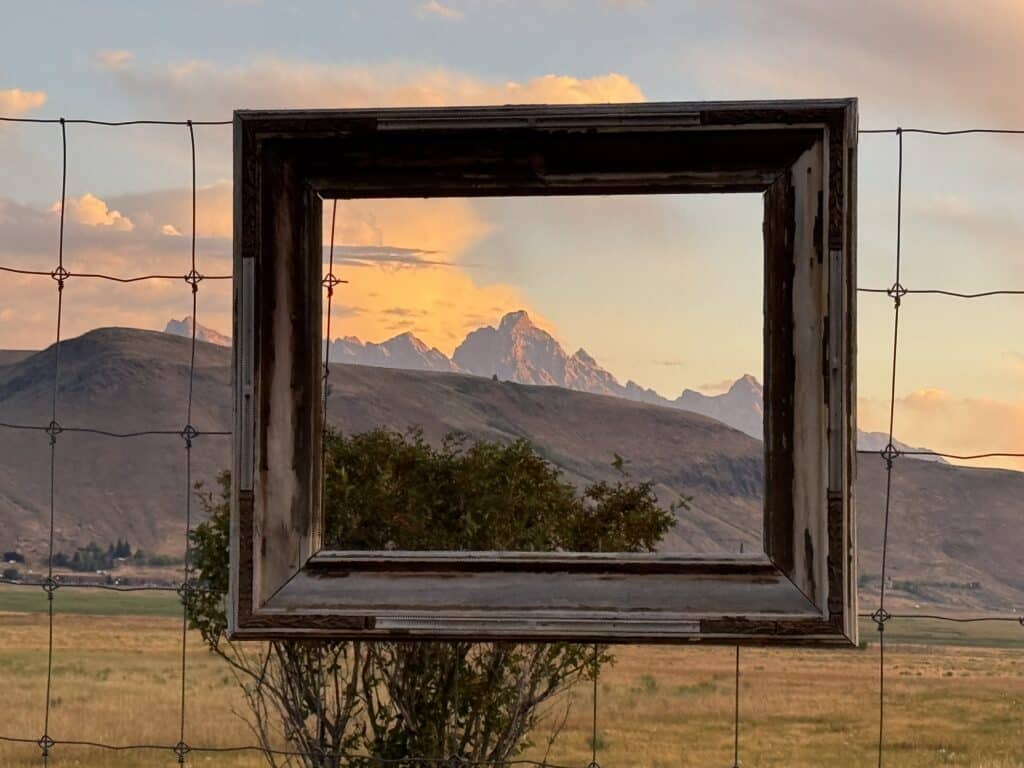
Teton County, Wyoming is the richest per capita county in the US, set within Jackson Hole's natural priceless landscape. As wealth drives wedges deeper, Luther Propst wonders what, if anything, can be done?